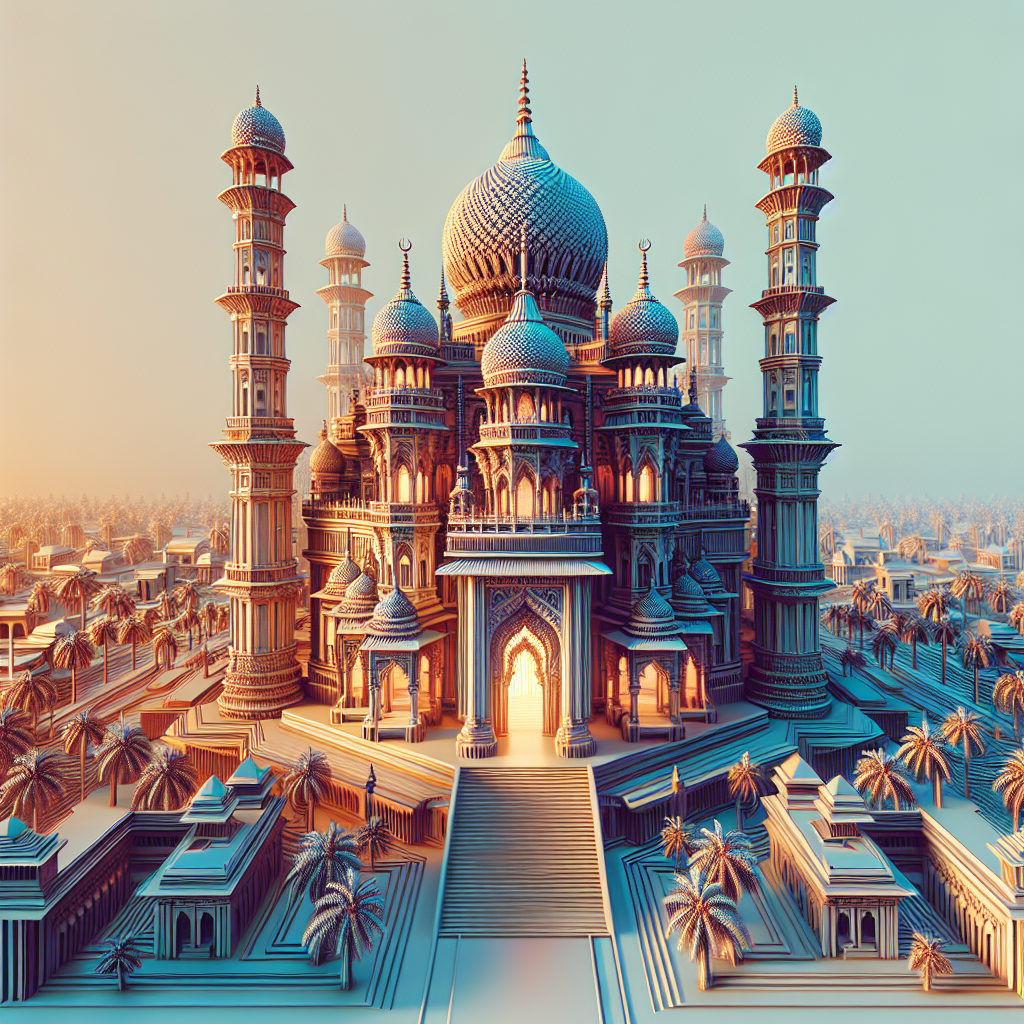

In the vibrant and serene locale of the banks of the Meenachil River in Kottayam, Kerala, stands a centuries-old gem: the Thazhathangady Juma Masjid, popularly known as Thazhathangady Pally. This mosque, bursting with history and architectural splendor, tells stories of a bygone era where diverse cultures intermingled seamlessly. Built over 1,000 years ago by early migrant traders, it has since been an essential part of the regional tapestry, serving not just as a place of worship but as a testament to the rich cultural exchanges that define Kerala's history.
Thazhathangady Pally is one of Kerala's oldest mosques, and it immediately enchants visitors with its grandeur rooted in simplicity. The mosque is a shining example of the vernacular architecture of Kerala, showcasing a blend of Hindu, Muslim, and colonial architectural styles. There's something deeply humble yet majestic about its wooden carvings, symbolic of the traditional craftsmanship of the region. The playful intermingling of art and faith here attracts both the devout and the curious, creating a serene space for reflection and community.
The mosque holds more than just spiritual significance. Its role as a social and cultural hub in the region cannot be understated. Beyond prayers, it has long been a place where people engage in dialogue, share narratives, and expand their horizons. This represents a broader cultural narrative where different faiths and communities embraced each other and engraved mutual respect in the pages of time. It’s inspiring and oddly paradoxical how a building so ancient can be such a forward-thinking beacon for cultural harmony and understanding.
The rich legacy of Thazhathangady Pally may occasionally stir debate as it spins tales of coexistence amid faith-based tensions elsewhere. Some see its history as an anomaly, a fortunate beacon of coexistence in a world often divided. Others view it as a reminder of the potential for inclusivity, a theme particularly significant at a time when divisive politics sometimes overshadow community harmony. It's easy, as a young person today, to become distant from the past. Yet, Thazhathangady Pally stands as a gentle reminder that our roots, regardless of which faith or belief system they stem from, are intertwined. It’s a lesson that history isn't dry dates and events but a living, breathing narrative shaping our collective future.
Remarkably, the mosque underwent several renovations while preserving its original design, and these acts of preservation have made it a beloved landmark. Ironically, while debates on renovations might rage on concerning modern structures, in the case of Thazhathangady Pally, every restoration feels like an act of love, ensuring that every wooden panel proudly carries its historical burden forward in time.
It's interesting, too, to witness the differing opinions that the mosque elicits when one steps into its cool interiors. Some visitors feel overwhelmed by the aura of tranquility, as though the building itself, through its historical passage, has gathered the whispers and prayers of a thousand souls. Yet, others might experience a simple appreciation for its architectural beauty without delving into the more profound spiritual implications.
This ability for a single location to provide vastly different experiences based on individual perspectives is what makes Thazhathangady Pally genuinely remarkable. Whether one comes for faith, history, or art, the experience is uniquely personal.
In recent years, there's been a renewed interest among young people and global tourists in destinations offering not just aesthetic pleasures but meaningful stories. As our generation becomes increasingly aware of sustainability and cultural preservation, visiting historical sites like Thazhathangady Pally becomes more than a journey; it's an act of respect and acknowledgment of heritage.
Some might argue that this form of tourism trends towards voyeurism, where local customs become merely a backdrop for vacation photographs. But the nuance is essential here. While some may indeed only seek a picture-perfect moment, many others earnestly engage with the historical and cultural narratives that places like Thazhathangady Pally have to offer.
What resonates with me most is the inherent call of such historical sites for unity and understanding. In a time where the world sometimes seems bent on amplifying differences, these old walls remind us of our shared humanity. Lavish with artistry yet humble in spirit, they teach us that embracing diversity comes as naturally as breathing.
Exploring Thazhathangady Pally, one realizes that history is not just records from the past. It's a living organism inspiring us to dig deeper into who we are in the present. And therein lies the magic of such places. They aren’t just relics; they're tapestries illustrating the beauty and trials of humanity, urging us to weave our contemporary threads into their stories.