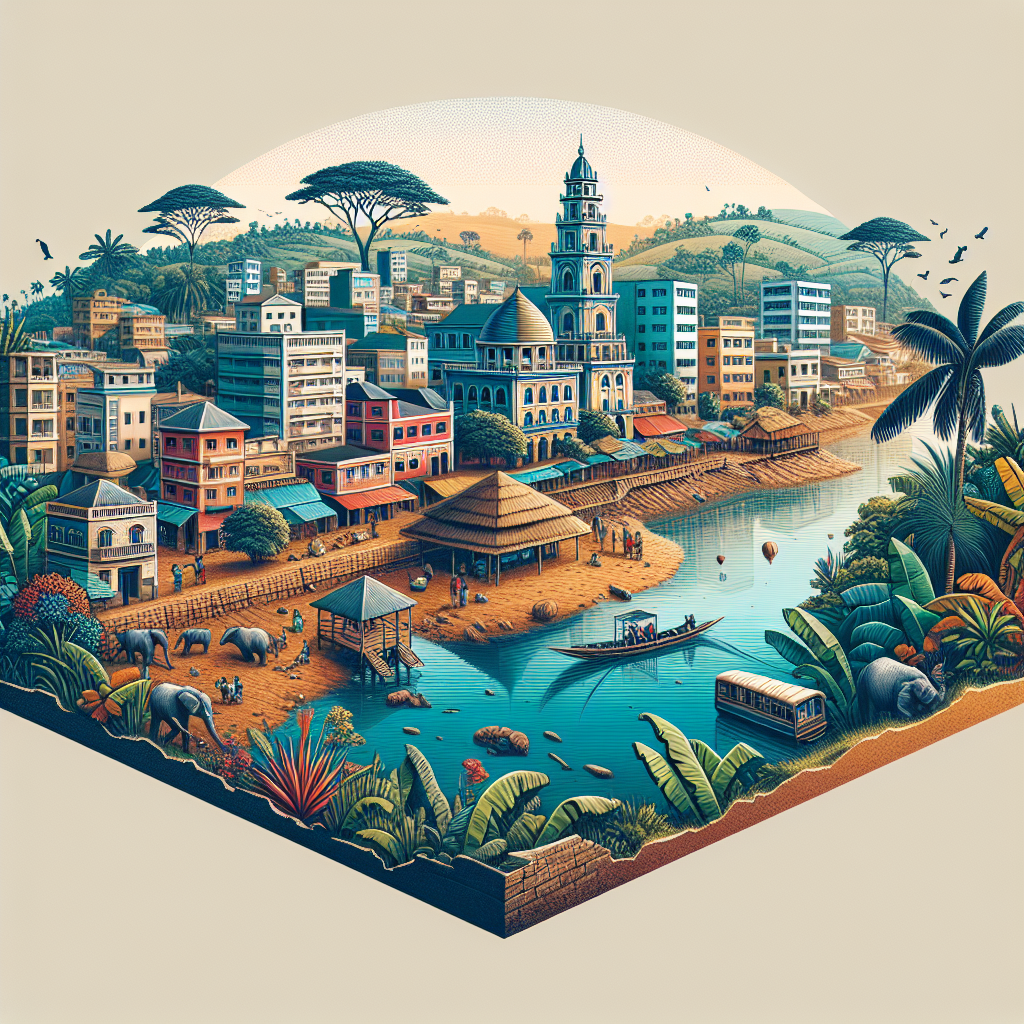

Tete, Mozambique's little-known treasure, beats with history and culture right on the Zambezi River's edge. This city has been a beacon of human activity for centuries, going way back to the migration of Bantu peoples who settled across southern Africa. Its strategic location on the river made it an essential hub for explorers and traders and it carries the echoes of these voyages in its every street and story.
Nestled in the center of Mozambique's northwestern region, Tete maintains a charm that feels suspended in time, yet it races towards modernity with an undeniable vigor. It's a place where the past mingles easily with the future, where locals cherish ancient traditions yet embrace the waves of change brought about by globalization. Predominantly, inhabitants are of the Nyungwe ethnic group, contributing to the city’s rich tapestry of culture.
The city's history is fascinating, with Portuguese influence still visible due to colonial ties that lasted until 1975. The remnants of this era lay in the form of architecture and urban planning, drawing visitors into a trail of discovery. Watching the bicycles and tuk-tuks zip past colonial-era buildings evokes a sense of juxtaposition between two worlds. Indeed, this dynamic city illustrates both the struggles and triumphs of post-colonial independence, reflecting broader African narratives.
Despite being off many travelers’ radar, Tete's energy is magnetic. The Cahora Bassa Dam, nearby, stands as a colossal testament to human ingenuity. As one of Africa's largest hydroelectric dams, it showcases the advanced engineering feats achievable even in remote corners of the continent. This structure is not only a marvel from a technological perspective but also plays a pivotal role in providing electricity far beyond Mozambique's borders. It's a symbol of not only Tete's but Mozambique’s potential to electrify development stories in Africa.
Tete is enduring challenges, like several other places in Southern Africa, facing economic hurdles, namely poverty and unemployment. Discussions around sustainable development remain critical. While mining, specifically coal mining, bolsters the local economy, the environmental cost raises questions among advocates for greener alternatives. Balancing economic growth with ecological responsibility is a tightrope walk for the city, sparking debates that echo globally.
Politically, Tete is a microcosm of Mozambique's broader struggles with political stability and governance. While the nation strides forward post-civil war, it continues grappling with reconciling diverse community interests. Voices from within call for peace, understanding, and cooperation, highlighting how multi-ethnic societies can flourish through inclusivity. These narratives of resilience contribute to a broader tapestry of hope in overcoming ethnic and political hurdles.
On the cultural side, Tete is vibrant. The city's markets bustle with life as the scents of local cuisine fill the air. Xima, a traditional cornmeal dish, and matapa, a dish made from cassava leaves, reflect culinary heritage and communal spirit. It’s in these markets, with voices negotiating prices over produce, that you can sense the soul of Tete revealing itself.
Art and music are woven deeply into Tete’s cultural expression. Events filled with rhythm and dance echo long into the night, pulling locals and visitors alike into their vibrant world. Young people in Tete blend traditional melodies with contemporary beats, echoing a modern yet deeply rooted culture, appealing to Gen Z visitors who might find this fusion particularly resonant.
While far from perfect, Tete is not to be overlooked. Its journey from a colonial outpost to a bustling city encapsulates stories of resilience and hope. For Gen Z readers eager for global perspectives and understanding the nuances of other cultures, Tete offers lessons on coexisting, innovation, and the enduring power of communities. For those interested in narratives of growth and survival, Tete offers tales that are complex and deeply human.
In many ways, Tete challenges the preconceived notions about Africa's potential. It is a city where individuals endeavor to balance progress with tradition, global interactions with local realities, and advancement with sustainability. Its unique position on the Zambezi River is both a geographical marker and a metaphor for flow—the constant stream of change, opportunity, and challenge. For those who find themselves on this part of the planet, Tete offers a chance not just to observe but to learn and connect deeply with its people and stories.