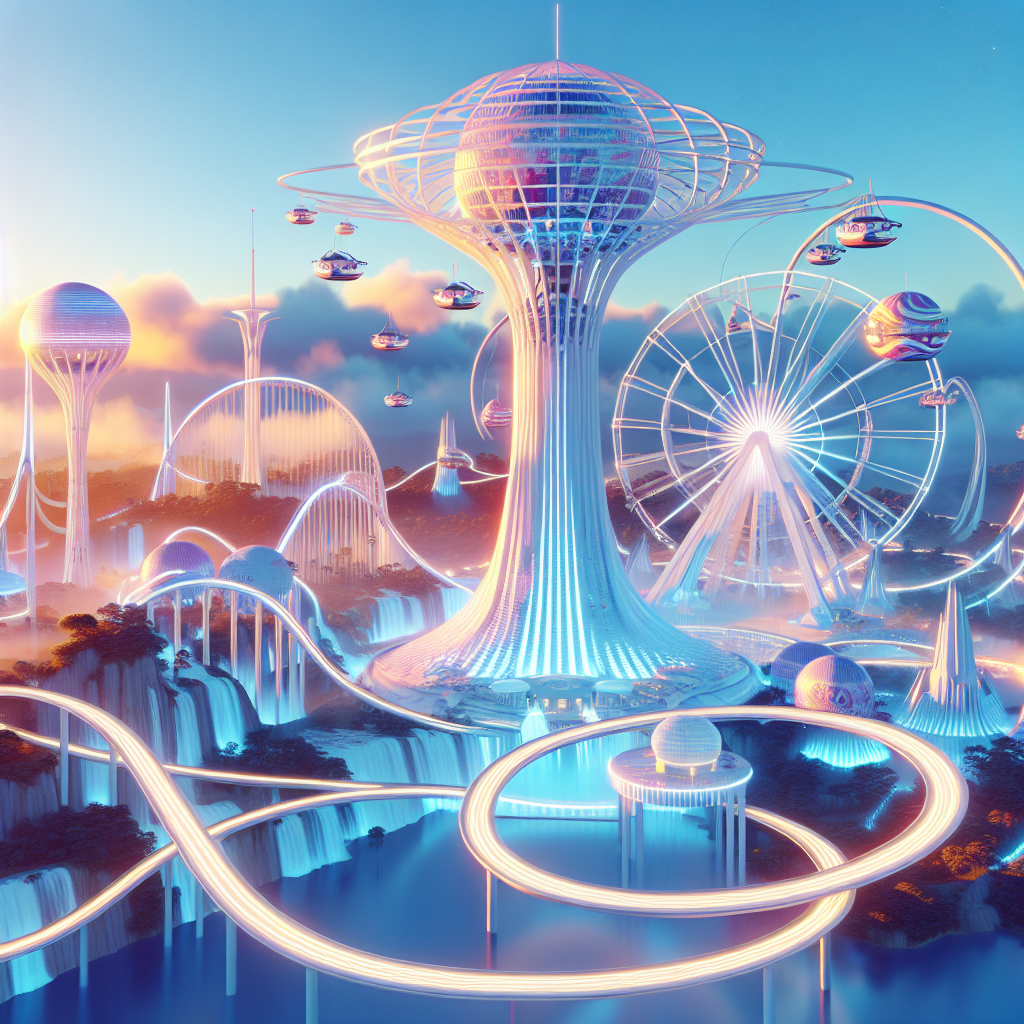

Once upon a time, Terra Encantada sought to be the heartbeat of Rio de Janeiro’s entertainment scene. Established in the Barra da Tijuca neighborhood in 1998, it was a vibrantly unique theme park in Brazil, waving a new flag in the national amusement landscape. It promised thrilling rides, lively shows, and a taste of Brazil’s rich culture, right at a time when economic tides were favorable. Yet, fast forward to the present, Terra Encantada stands as an eerie reminder of what could have been, closed since 2010 due to a string of financial missteps and tragic incidents.
The ambition that built Terra Encantada was massive. The creators imagined it as a top-tier entertainment destination. Brazil was ready to embrace a new world of fun, much akin to global giants like Disney. At its peak, this park featured roller coasters, water rides, and even cultural performances. The vision was to provide an oasis of escapism, combining Brazilian myths with the allure of modern amusement.
Social media didn’t exist back then in the way it does today. If it had, maybe Terra Encantada could’ve gathered more community-driven support or at least facilitated more dialogue about the park’s demise. Its prime years came in an era where expectations were set high by international parks, yet operational challenges soon began to haunt its existence.
The closure of Terra Encantada wasn’t just an isolated downfall—it was a collision between dreams and reality that echoed larger systemic issues of mismanagement and neglect, much beyond just a lack of operational capital. Accidents, specifically one tragic fatality in 2008, shrouded the park in negative perception. It wasn’t just the rides that needed maintenance; it was the entire infrastructural approach that demanded timely intervention.
Some citizens viewed Terra Encantada with nostalgia and hope for rejuvenation, while others considered it as a representation of squandered potential and governmental oversight. Here’s where narratives often split: the generation that visited Terra Encantada during its operational years yearns for its reimagined comeback, sharply recalling rip-roaring rides and festive parades. Younger folks, however, might only know it as that ghost park in urban legends, devoid of shared experiences.
The decline of the park invites a wider discussion about consumer culture and responsibility. Many argue that had there been stricter regulatory oversight, the park wouldn’t have crumbled under operational inefficiencies. Yet there’s a philosophical angle too—was its failure due to unrealistic aspirations, trying to emulate global giants with limited resources? Perhaps, a nod to the significance of scaling dreams along feasible lines.
There’s a common dream shared in whispers online and in adventurous hearts: what if Terra Encantada could be reborn? A revival story, not unlike the feverish dreams of abandoned places turned into vibrant community hubs. Such transformations involve legislative backing, but just as crucially, a new business model that can sustain its heartbeat amidst the modern pressures of the entertainment economy.
In a world where we are just a click away from visual marvels, from virtual reality experiences to curated Instagram feeds, Terra Encantada's downfall serves as a lens into how we might prioritize physical spaces for community engagement. The past decades have spurred an evolving dialogue about what amusement should represent—whether it serves as ephemeral spectacle or as intricate cultural storytelling, rooting itself in collective memory.
Those who once laughed on its roller coasters and cheered at its performances, now look back with nostalgia, saddened by locked gates and overgrown weeds. It's a gentle nudge about how infrastructure needs not just robust funding but strategic, inventive stewardship. Rerouting Terra Encantada back into the modern realm involves modern entrepreneurial ingenuity blended with a genuine respect for communal stories.
As fervent as some calls for its comeback are, the future of Terra Encantada remains uncertain. Urban regeneration can take unpredictable turns, influenced by economic fluxes, institutional interest, and public demand. The idea of urban nostalgia bringing life to dormant spaces isn’t just a Brazilian phenomenon; it’s a global cultural interest. As we consider the future of amusement and cultural representation, Terra Encantada’s tale stands as a learning beacon.
Emerging conversations, dreams, and stories from generations past and present hold power. Whether Terra Encantada remains a whisper of yesterday or steps forward as an example of urban revival will depend on aligned efforts to reimagine its purpose. In contemplating this unique chapter of Brazilian amusement, we confront broader questions of success, nostalgia, and the enduring draw of dreams in the balance between history and progress.