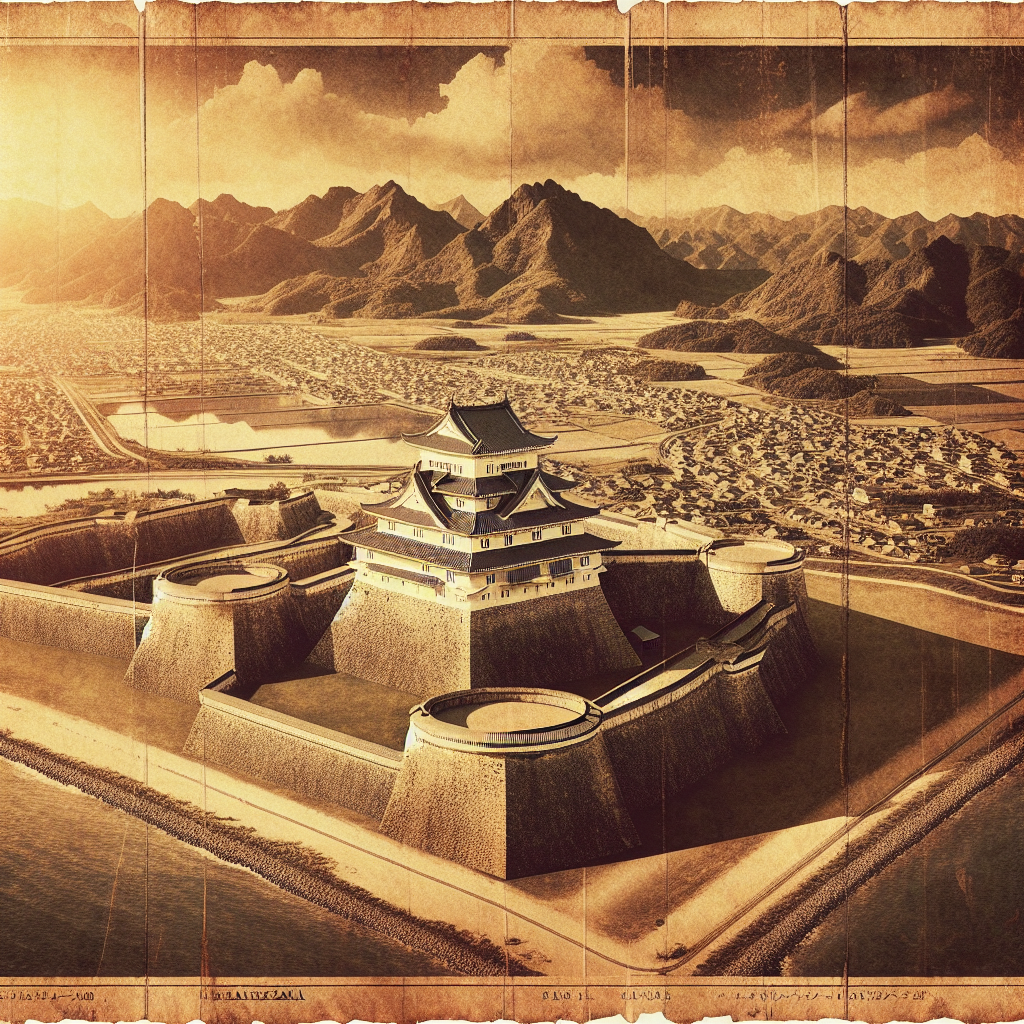

Step into the enthralling world of Takasaki Castle, a place that blends history and culture in a fascinating concoction. Built in 1598, this intriguing piece of architecture stands in Takasaki City, set against Japan’s picturesque landscapes. Those with an affinity for history will appreciate the preservation efforts that keep the spirit of 16th-century Japan alive. But it’s more than just a haunt for history buffs; Takasaki Castle is a testimony to the cultural storytelling that transcends time.
Takasaki Castle was initially constructed by Ii Naomasa, one of Tokugawa Ieyasu's most loyal vassals during the Sengoku period. Its strategic location makes it historically significant as it was used to protect against invaders while facilitating trade and regional governance. Often, castles like Takasaki become mere relics, overshadowed by urban development. However, this particular castle remains a cultural beacon, integrated into the city’s pulse, engaging both locals and tourists.
Wandering around the remnants of Takasaki Castle, visitors will find themselves surrounded by a tranquil aura common to historic sites. The moat and stone walls are the main attractions today. Although much of the castle no longer stands, its ruins encapsulate centuries' worth of stories and drama. It’s easy to imagine the past life of this space, bustling with armored samurai, as the winds whisper tales of warlords shaping the future.
The castle site now houses the Takasaki Park, an area frequented by locals who cherish moments in its serene expanses. The park, with its cherry blossoms, invites city dwellers to escape the fast-paced lifestyle for a brief encounter with nature. Here, people celebrate hanami, the tradition of blossom viewing that marks the arrival of spring, rooting new experiences in ancient traditions.
Cherry blossoms aside, another attraction that draws people to Takasaki Castle is its cultural festivals. The events at the site highlight Takasaki's thriving arts scene, with traditional music performances and crafts that harken back to Japan's feudal past. As modernity increasingly encroaches on tradition, such gatherings serve as a reminder of cultural identity and continuity.
As we express admiration for preservation efforts, it’s also necessary to acknowledge contrasting opinions regarding the conservation of historical sites like Takasaki Castle. Critics argue that resources allocated for preservation could be utilized for more pressing community needs, such as enhancing urban infrastructure or supporting digital innovation, particularly relevant to a tech-savvy generation.
Yet, the urgency to preserve Takasaki Castle isn’t just about holding on to the physical remnants. It’s about safeguarding narratives that offer invaluable insights into human conflict, resilience, and creativity. It’s about embracing a legacy that continues to inspire architects, historians, artists, and even entrepreneurs who seek wisdom in times past to solve contemporary issues.
Amidst the lively discussions on allocation of resources, many in Japan strive to find a balance that benefits both historical preservation and modern advancement. To young people pondering the relevance of such sites, Takasaki Castle stands as an open invitation to join these conversations, to understand how past and present coexist.
Traveling to Takasaki offers more than just a visit to a castle—it's an opportunity to engage with history in a way that matters today. Each visit amplifies the castle's relevance, celebrating a thoughtful coexistence of historical storytelling and modern living. This place, with its stone walls and blossoming trees, isn't just a chapter in a textbook; it’s a dynamic narrative in which we all play a part.