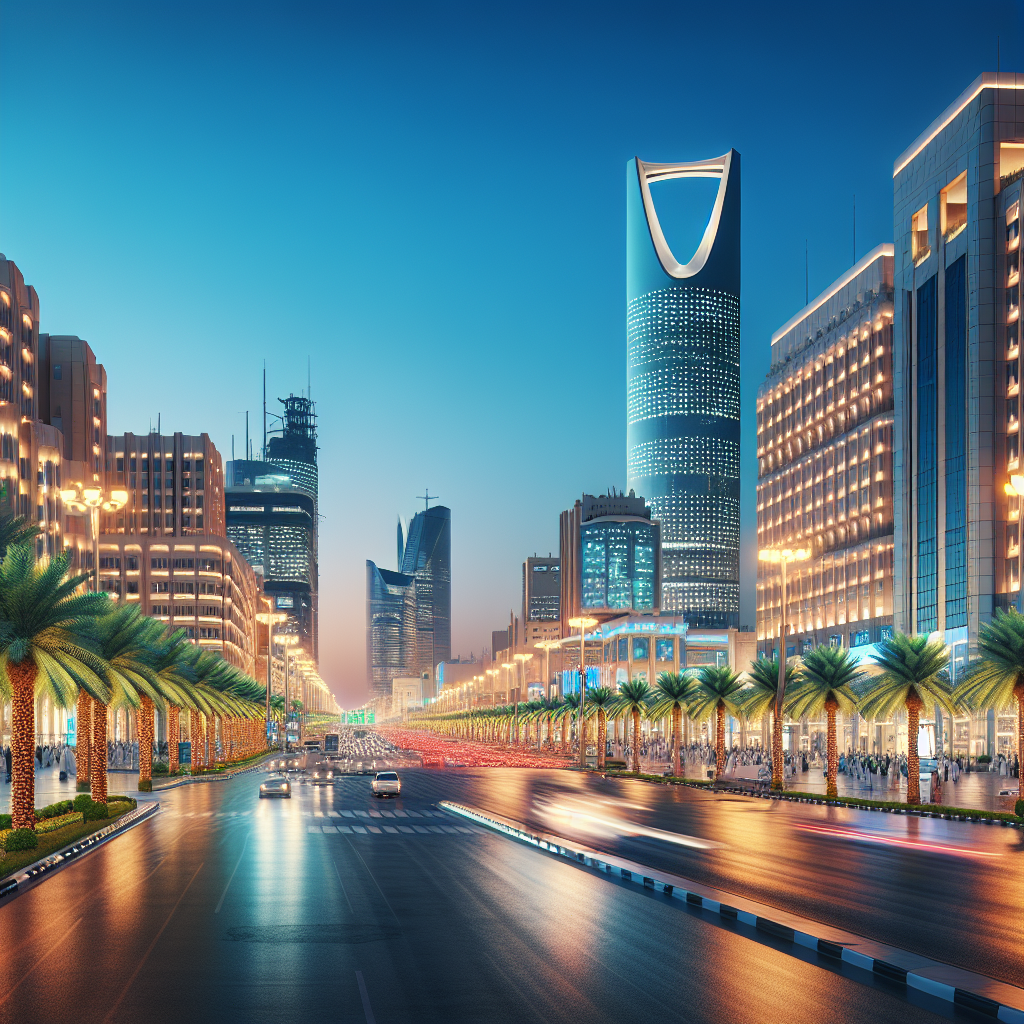

Tahlia Street: The Beating Heart of Riyadh
Imagine a street that never sleeps, where the vibrant pulse of a city is felt in every corner, and you have Tahlia Street in Riyadh. Known officially as Prince Mohammed bin Abdulaziz Street, this bustling thoroughfare is a hub of activity, drawing locals and tourists alike. Located in the heart of Riyadh, Saudi Arabia, Tahlia Street has become synonymous with luxury, entertainment, and culture. It has been a focal point for the city's social life for decades, evolving alongside Riyadh's rapid modernization. The street's allure lies in its eclectic mix of high-end boutiques, trendy cafes, and gourmet restaurants, making it a must-visit destination for anyone in the city.
Tahlia Street is not just about shopping and dining; it's a cultural melting pot. The street reflects the broader changes in Saudi society, where traditional values meet modern influences. This blend is evident in the architecture, the people, and the atmosphere. The street is a testament to Riyadh's transformation into a cosmopolitan city, embracing global trends while maintaining its unique identity. For many young Saudis, Tahlia Street represents a space where they can express themselves freely, a place that offers a glimpse into a more open and diverse future.
However, the street's popularity is not without its challenges. Traffic congestion is a common issue, especially during weekends and holidays when the street is packed with visitors. The influx of people can sometimes lead to overcrowding, making it difficult to navigate. Additionally, the rapid commercialization of the area has raised concerns about the loss of local character and the impact on small businesses. These challenges highlight the need for sustainable urban planning that balances growth with preserving the street's unique charm.
Despite these challenges, Tahlia Street continues to thrive. Its success is a reflection of Riyadh's broader economic and social development. The street is a microcosm of the changes happening across the country, as Saudi Arabia seeks to diversify its economy and open up to the world. Initiatives like Vision 2030 aim to transform the nation, and Tahlia Street is a shining example of this vision in action. The street's evolution mirrors the aspirations of a new generation eager to embrace change while honoring their heritage.
Critics of Tahlia Street argue that it represents a shift away from traditional Saudi values. They worry that the street's focus on consumerism and Western influences could erode cultural identity. However, supporters see it as a positive development, a sign of progress and openness. They argue that Tahlia Street is a place where different cultures can coexist, fostering understanding and dialogue. This debate reflects the broader conversation happening in Saudi society as it navigates the complexities of modernization.
For Gen Z, Tahlia Street is more than just a place to hang out; it's a symbol of possibility. It's a space where they can explore new ideas, connect with others, and experience the world in a way that previous generations could only dream of. The street's vibrant energy and diverse offerings make it a perfect backdrop for the aspirations and dreams of young Saudis. As they look to the future, Tahlia Street stands as a reminder of the potential for growth and change in a rapidly evolving world.
In the end, Tahlia Street is a testament to the dynamic spirit of Riyadh. It embodies the city's journey towards becoming a global metropolis, a place where tradition and modernity coexist. Whether you're a local or a visitor, Tahlia Street offers a unique glimpse into the heart of Saudi Arabia, a place where the past and future meet in a vibrant tapestry of life.