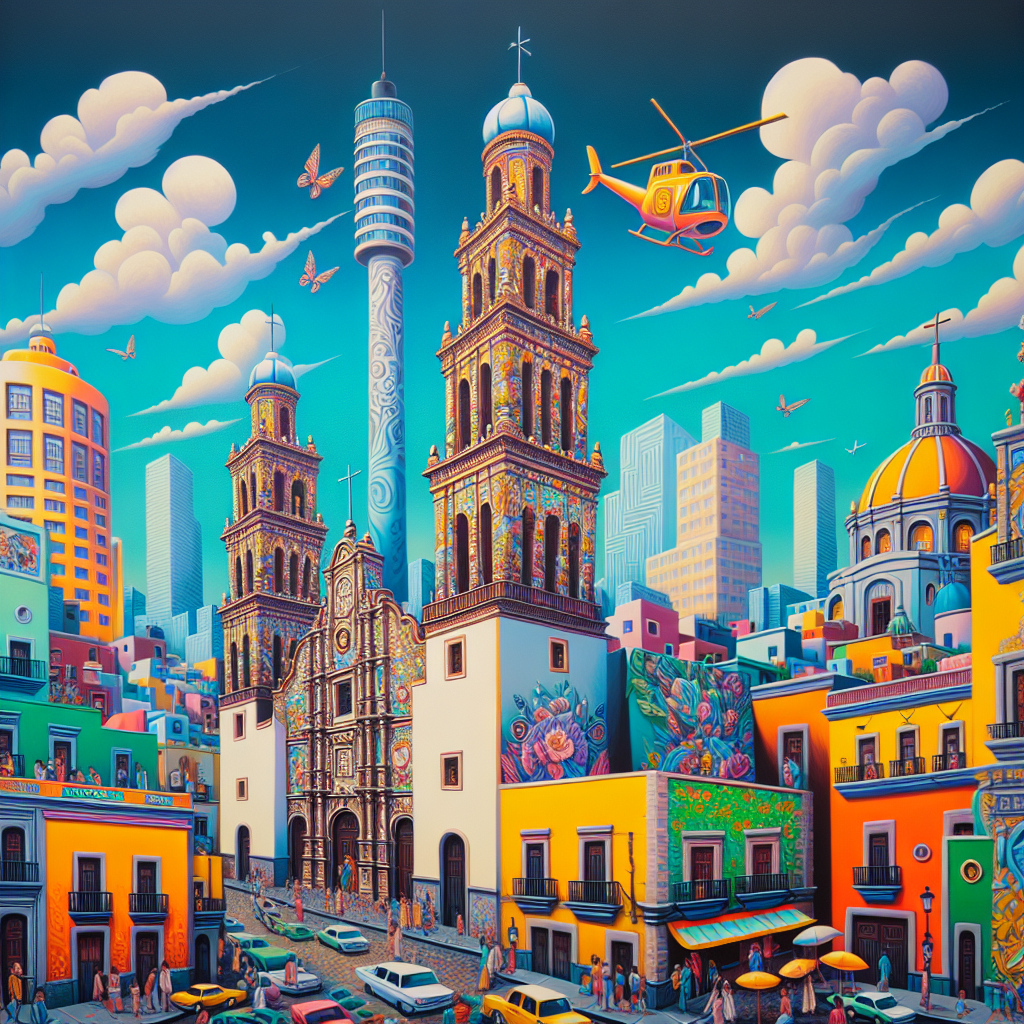

There’s a place in Mexico City that refuses to be boxed in by time, where modernity dances with antiquity, and its name is Tacuba. Nestled within the vast sprawl of Mexico City, Tacuba offers an intriguing mix of history, culture, and modern-day urban life. Situated to the northwest of the city, Tacuba began its journey during the peak days of the Aztec Empire. It was one of the first colonial neighborhoods established after the Spanish conquest in the early 16th century, making it a fascinating site for historical exploration.
Today, Tacuba is an eclectic neighborhood that offers more than just a peek into the past. It’s a community that blends the old with the new seamlessly. Strolling down its streets, you can find a harmonious co-existence of colonial architecture with modern businesses, creating a unique blend that captures the essence of Mexico City’s evolution. From its historic churches and vibrant food markets to its bustling public squares, Tacuba is a dynamic interplay of cultural heritage and contemporary urban life.
As you walk through Tacuba, the echoes of history follow you. The Iglesia de San Gabriel, a church with roots that reach back to the 16th century, stands as a monument to the past. The locals, ever gracious, often share tales of its significance and the role it played during key periods in Mexican history. Yet, just a stone's throw away, the local food markets sizzle with the aroma of tacos, tortas, and tamales, offering a taste of both the traditional and the modern Mexican palate.
Generations of residents have shaped Tacuba, each leaving behind a trace of their era. The influence of indigenous culture is still palpable, interwoven with the colonial Spanish marks. Such interactions offer rich narratives and reflections on societal changes over centuries. When you visit this place, you're not just visiting a neighborhood; you’re entering a living historical document.
The younger populace, with their energy and entrepreneurial spirit, continues to breathe life into Tacuba, developing small businesses and arts spaces that further shift its landscape. New cafes, bookstores, and tech hubs line the streets alongside traditional tianguis, where patrons can still find everything from handmade crafts to modern electronics. Visiting these spots isn’t just about shopping or eating, it feels like participating in Tacuba’s ongoing story.
Despite its rich history, Tacuba is not immune to the challenges faced by modern urban centers. Traffic congestion and urban development pressures threaten to overshadow its historical roots. The debate over preserving historical sites while accommodating a growing population is ever-present. For many, the prospect of bulldozing old buildings to make room for the new is a tragic loss of heritage, while others see it as necessary for progress. Tacuba is no stranger to these debates, where the lines between development and destruction blur easily.
Those who cherish its cultural identity worry about losing its unique character, urging for careful consideration in urban planning. Yet, there’s justifiable argument in favor of growth to support a booming metropolis. As Mexico City expands, Tacuba finds itself at a crossroads. Can there be a balance? This question is a recurring theme, not just for Tacuba, but across many rapidly transforming urban landscapes around the world.
This neighborhood stands as a testament to resilience and change, a living organism that reflects the broader narrative of Mexico City itself. The trick is to appreciate Tacuba not just as a place, but as an experience, where past and present collide to create something genuinely distinct yet familiar.
As someone with politically liberal views, it's essential to advocate for a balanced approach, where development is sustainable and respectful of Tacuba’s historical and cultural significance. There are areas where governments can step in with policies that promote responsible development while ensuring that heritage is preserved for future generations.
Tacuba’s essence is in its inclusivity and diversity, manifesting why urban spaces need careful guardianship. Each individual who visits or lives in Tacuba adds a chapter to its ongoing story, each one responsible for safeguarding its past while carving out its future. An urban area reflective of global multicultural societies, Tacuba teaches us that sometimes progress doesn’t have to come at the expense of the past.