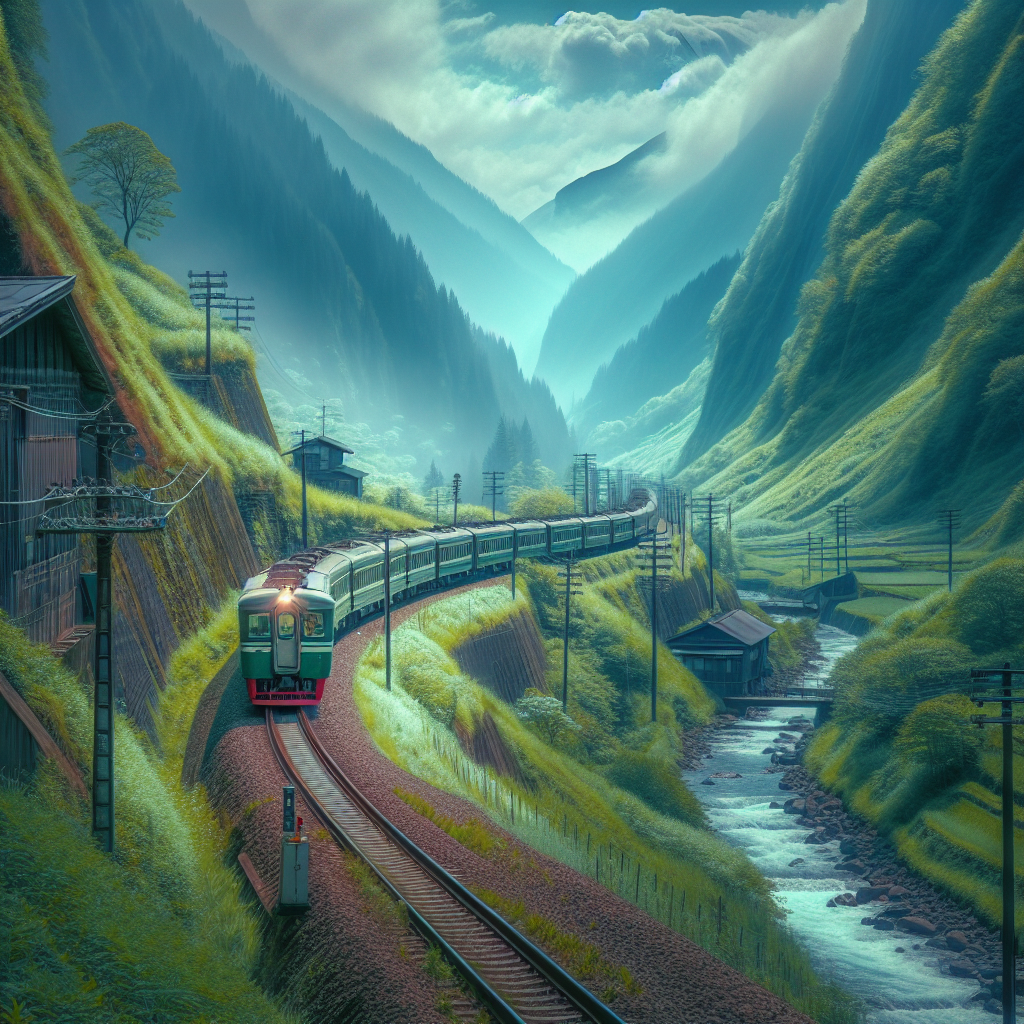

Imagine cruising through lush greenery and picturesque ocean views while riding a train that shares space with industrial history and local charm. The Sotobō Line, a vital part of Japan’s intricate rail network, offers just that journey, connecting the motion of contemporary commuting with the whispers of a storied past. This line is part of the East Japan Railway Company’s vast network, stretching 93.3 kilometers through the Chiba Prefecture. It straddles places like Chiba City and Awakamogawa, having made its debut way back in 1896. It wasn’t just a mode of transit but also a node that brought commerce, tourism, and an exchange of cultures to what was once considered the outer limits of the Tokyo metropolitan area.
Sotobō is in many ways an unsung hero, a reminder of how human ambition and nature mesh in beautiful harmony. Sure, it's not the Shinkansen with its futuristic thrills, but its charm lies in its simplicity and authenticity. Think of it as the warm, inviting novel that sits atop your high-tech e-reader’s wishlist. For many youths today, the train may symbolize a slower pace that contradicts our increasingly fast-paced lifestyles. As you embark on this train journey, you’re likely to notice how life gradually shifts from a bustling urban environment to the more tranquil and laid-back coastal scenes.
The stations along the Sotobō Line are more than just stopovers; they are living galleries of history and culture. Take, for example, Kazusa-Ichinomiya Station, a place that holds significant religious value because of its proximity to Tamasaki Jinja, a shrine that embodies the Shinto spirit thriving among modern trends. You may often find locals and visitors alike pausing for a brief moment of reflection, soaking in the serene atmosphere. If you’re seeking a blend of spirituality with a dash of local gossip, this is your spot. Even those who aren’t spiritually inclined might find the shrine’s environmental serenity refreshing.
The train's windows offer snapshots that change like scenes from an indie film festival: from the calm beaches of Katsuura to the urban subtleties of Chiba City. It’s a line that lets you experience Japan's diversity in a microcosm, all within a day’s journey. And what could be more attractive to Gen Z than capturing stunning landscapes for Instagram that still hold an element of unique discovery?
Now, stepping outside the aesthetic and into the practical: you might wonder about the accessibility factor. This is where the lines blur between traditional tourism and modern political thought. Local governments strive to maintain tourism as a significant revenue stream, but modernization can endanger the authenticity that makes rides like those on Sotobō enchanting. Younger travelers, especially those with an interest in environmental and social liberal policies, might see the need for development that looks toward technological updates without stripping away cultural essence. It’s not black and white, the need for development versus the need to preserve the past, but that’s what makes these journeys worth pondering.
Societal changes often reflect in such public spaces, where debates over conservation or modernization might headquarter. For those who enjoy views from both sides of the fence, the train ride provides an interesting dialogue between past and future. Each stop represents communities that have resisted, embraced, or merely adapted to the tide of modernization. You might hear stories from locals about how the area has evolved over time, shifting between fear and excitement about the future.
Imagine stepping onto an old-fashioned railway platform. The clinking of metal wheels against old tracks feels almost cinematic. But wait. Look around, and you see smartphones capturing that same nostalgia, people live-streaming a seemingly forgotten way of life to audiences around the world. This in itself exemplifies the generational divide: the older generations holding onto tradition, the younger ones reinterpreting what it means to cherish and share the past.
It’s easy to look at the development of the Sotobō Line and see it purely as an ongoing narrative about infrastructure, yet embedded within are the intergenerational tales and exchanges of culture, politics, and lifestyles. Globalization and its conflicting vibes find a unique stage here. Maybe we could use it to question the very fabric of what progress should mean. Should it always equate to faster, bigger, and stronger? Or should it sometimes embrace a slower, richer narrative?
The Sotobō Line is more than just steel on wheels; it's a cultural memoir in motion. It invites us to see the unwritten definitions of progress, all while riding through breathtaking vistas. As we ponder these questions, the train reminds us that sometimes, moving forward means pausing to take in the view.