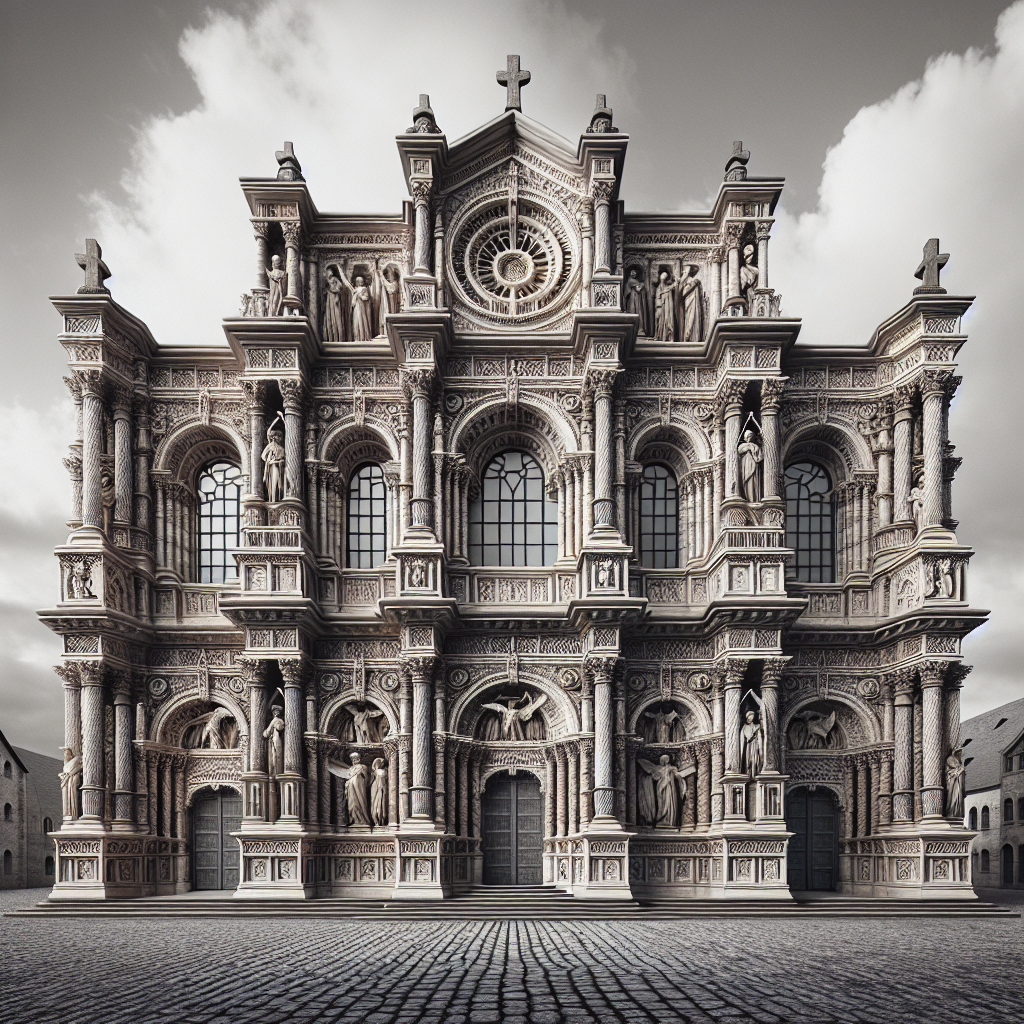

In the heart of the ancient city of Trier, where cobblestones whisper tales of history and the air carries notes of the Roman era, stands the Simeonstift, a place brimming with stories that stretch back almost a millennium. Founded in the early 11th century, specifically around 1060, the Simeonstift is not just a museum but a journey into the past. Located in Trier, Germany, this former monastery has witnessed the ebb and flow of time, evolving from a religious institution into one of the most significant museums in the region. What makes the Simeonstift so compelling is not merely its impressive collection of artifacts but its embodiment of the tumultuous and rich history of Trier itself.
Established by Archbishop Eberhard in honor of Saint Simeon, a Greek monk whose life was committed to spiritual isolation and contemplation, the monastery was built to house canons who adhered to a communal and religious life. The relics of Saint Simeon, after whom the stift is named, played a crucial role in escalating the church's importance, elevating its status to a revered site of pilgrimage.
Despite its origins in the ecclesiastical world, the Simeonstift has undergone transformations that mirror historical shifts. In the 18th century, during the fervor of the Napoleonic wars and French revolutionary zeal, the monastery was secularized. This change was emblematic of the broader tensions between tradition and modernity, values and state control, religion, and governance that characterized Europe at the time. This transformation enabled Simeonstift to step beyond its original religious boundaries and embrace a new identity.
Fast forward to today, the Simeonstift houses the Stadtmuseum Simeonstift, a museum that tells not only the story of its founding but also the broader narrative of Trier's past. Its exhibitions range from medieval stonework and Baroque art to contemporary exhibits on socio-political themes. This evolution into a museum provides a bridge from ancient history to today's ever-evolving cultural landscape.
A visit to the Simeonstift doesn't just mean gazing at beautifully displayed artifacts; it's about engaging with the past in a way that is relatable. Many of the narratives presented resonate with current social and political discourse, allowing visitors to reflect on issues that remain pertinent. For example, one exhibit might explore the impact of migration, drawing parallels between historical movements of people and today's refugee crises. Such exhibitions are a reminder that history often repeats itself, and by understanding our past, we are better equipped to handle present and future challenges.
The Simeonstift is also a testament to the preservation of historical architecture. Its Romanesque and Gothic architecture stands proudly as a beacon of its time, each stone a piece of a larger narrative. Walking through its halls feels like stepping back in history, yet it also invites consideration of how structures like the Simeonstift can adapt to new epochs. Balancing preservation with modern needs is a challenge faced by many historical sites. Some argue for total preservation, while others advocate for adaptive reuse, turning these buildings into active parts of community life without losing their historical essence.
The Simeonstift’s adaptation into a museum is a prime example of finding this balance. Politically, this reflects the liberal notion of progress through sustainable integration; respecting heritage while embracing contemporary realities. It's about maintaining a dialogue between the past and present, forming a continuous thread of cultural and historical consciousness.
This repurposing is also an opportunity to engage younger generations. Gen Z, a demographic recognized for its value of inclusivity and progress, can find relevance in the Simeonstift's transformation. By relating historical events to modern issues, the museum encourages critical thinking and active dialogue among its visitors, fostering an understanding that is both historical and contemporary.
There are those who might argue against altering historical sites, emphasizing preservation over repurposing. Conservation purists worry that modern interventions can harm the original sanctity and authenticity of ancient structures. They raise valid points about the risk of undermining cultural significance. However, without adaptation, many sites may face neglect due to irrelevance in modern times, weakening their connection to present society.
The Simeonstift doesn't simply stand as a relic but thrives as an ambassador of heritage that speaks directly to today's world. By considering both perspectives—preservation and adaptation—we can find pathways that honor history while ensuring its relevance.
Whether you're a history enthusiast, a cultural advocate, or someone with a keen interest in social issues, Simeonstift has something meaningful to offer. As it continues to serve as a cultural and historical landmark, it invites us all not just to look back but to understand the continuous impact of history in our daily lives.