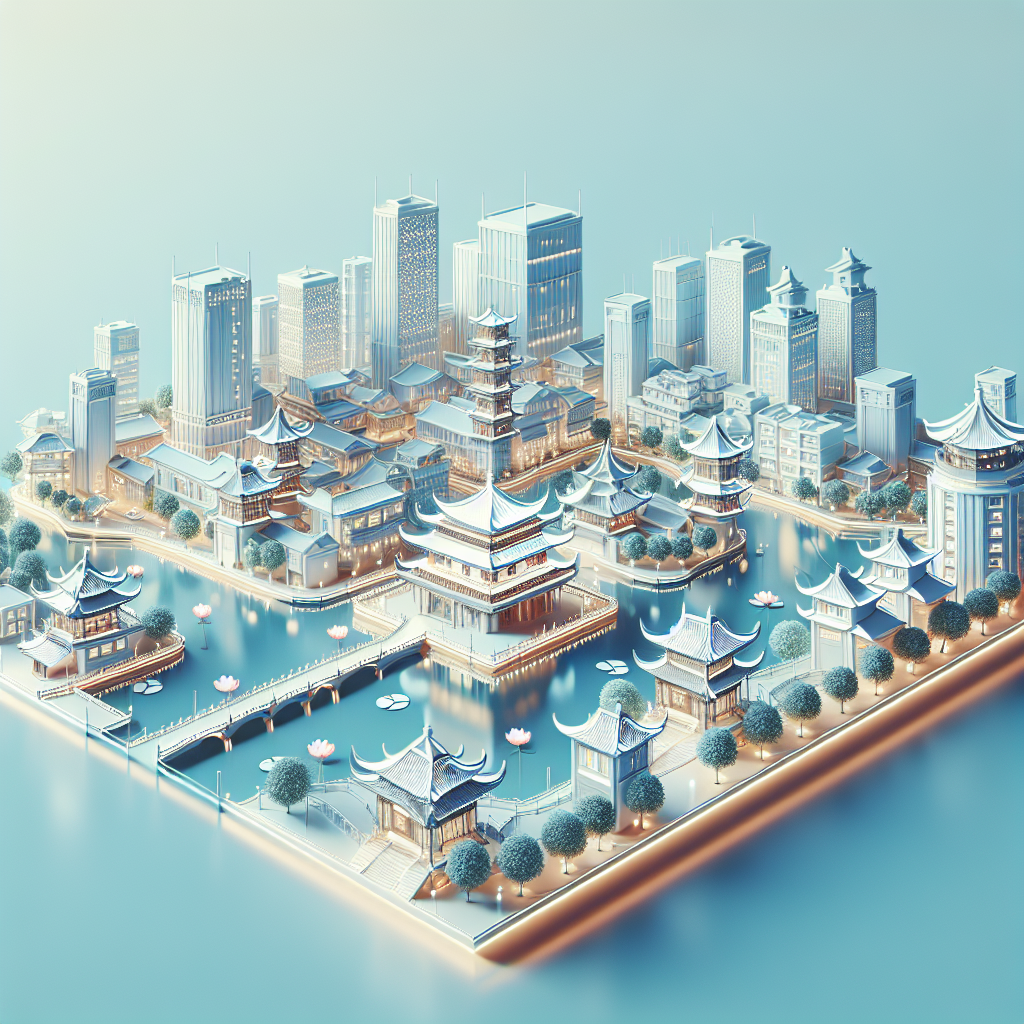

Imagine a place where rivers flow like silk threads through woven regions of history, art, and wine – welcome to Shaoxing. This city, vibrant and culturally rich, is located in eastern China’s Zhejiang province and is home to around 4.9 million people. Known for its lush waterways and iconic Shaoxing wine, this ancient city brims with over 2,500 years of history and storytelling. Shaoxing isn't just about its storied past, it also thrives today, merging the past with modernity in beautifully unique ways.
Shaoxing has always held a special status in Chinese culture. The region's classical gardens and traditional architecture speak volumes of its historical significance. With the constant rustle of bamboo in the wind, one can almost hear the whispers of ancient poets and scholars who once found inspiration in this serene landscape. Furthermore, these silent guardians evoke images of past intellectuals dedicated to the study of culture and literature.
The spirit of exploration pushes us to understand Shaoxing's role in weaving historical narratives and cultural tapestries. This came alive for me while strolling through the Rosy Clouds Attic, nestled against the flowing waters of the city. As a part of the city’s endless stories, this site wraps visitors in colorful, reflective motifs.
But Shaoxing isn’t just about historical contemplation. Its dynamic energy can take a vibrant turn. For a taste of the invigorating local culture, look no further than the famous Yue Opera. This form of entertainment, originating in Shaoxing, encapsulates the city’s love for the arts, with an extensive repertoire thrilling audiences still today.
Of course, no trip would be complete without sampling some of Shaoxing's culinary treasures. The city’s iconic Shaoxing wine, a type of huangjiu or yellow wine, is a staple at banquets and celebrations. Its rich, mellow taste stems from generations of meticulous fermentation processes. It’s almost akin to a rite of passage to sip this renowned brew while learning to appreciate the flavors and cerebrations behind each glass.
Beyond the palate, Shaoxing wine contributes to the city’s social fabric, frequently accompanied by lively gatherings and familial unity. Yet, while some argue it holds both cultural and economic significance, others question the wider accessibility of such traditions in today’s fast-paced world. The city stands at a crossroads, grappling with preserving time-old practices while yielding to a forward-thinking future.
As visitors, it's beneficial to engage with those who call Shaoxing home. Locals often share their insights about the hybrid identity this city nurtures. Between cobblestone paths and chic cafes, tradition and innovation interlace seamlessly. This interweaving provides a space for reflection on how cities, like people, grow and respond to global changes while preserving their essence.
Even as the world outside changes rapidly, Shaoxing remains resolute, upholding cultural authenticity. Its people champion maintaining their heritage. Yet, discussions surrounding cultural conservation present varying viewpoints. While some locals adamantly adhere to traditional values, others advocate for a middle ground, encouraging integration with current global trends.
Today’s youth visitors, particularly Gen Z, often find themselves caught at this crossroads. As digital natives, their views on cultural interaction and appreciation are inherently modern. Social media engagements and digital conversations create opportunities for cultural exchanges and understanding, adding layers to a continually evolving cultural landscape. That said, Gen Z engagement often fuels discussions on how globalization can sometimes overshadow local identities.
Cultural preservation debates raise broader questions about tourism and development's impact on Shaoxing. On one hand, increased visitation bolsters financial growth and improves infrastructure. On the other, there is a constant struggle to maintain genuine cultural depictions, avoiding superficial displays for economic gain.
Shaoxing’s relationship with water extends beyond being a setting; it’s metaphorical, illustrating ideas of reflection and adaptation. Water symbolizes life and flow, a reminder of Shaoxing’s past influences and its ongoing journeys. The rivers don't just carry water; they tell stories of resilience and renewal.
Finding the balance will determine the cultural trajectory of Shaoxing. Like its rivers, cities need space to breathe and grow. The spirit of Shaoxing continues to invite exploration into new realms of cultural significance. It offers a mirror to its travelers, engaging them to ponder their roles in sustaining cultural landscapes while embracing contemporary energies.