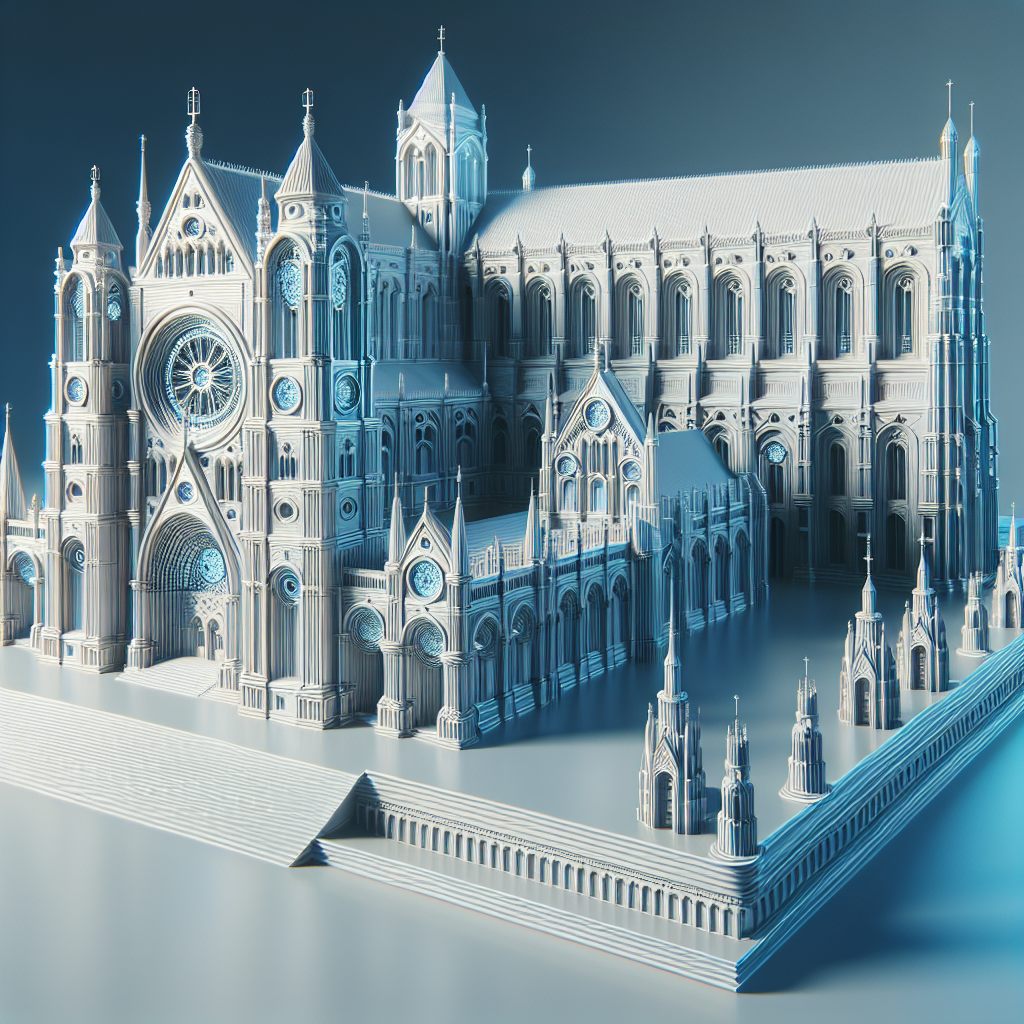

Imagine strolling through a picturesque landscape straight out of a storybook, only to stumble upon a majestic fortress of culture and history—Schlierbach Abbey. Nestled in Upper Austria, this architectural marvel dates back to the early 14th century when it was founded by Cistercian monks. It was a beacon of religious and cultural development during its prime, reflecting a blend of sanctity and scholarly pursuit. Wanderers and history lovers alike flock to Schlierbach Abbey not just for its beauty and tranquility, but also to catch a glimpse of Austria’s storied past.
The abbey’s history is inextricable from the Cistercian monks who dedicated their lives to a routine of prayer and toil. These monks were not only spiritual leaders but also guardians of art and knowledge. In the spirit of preserving tradition, they indulged in wine-making and elaborate art, activities that continue to intrigue visitors today. The abbey's library and art-filled ceiling are testaments to this monastic commitment to culture. But like many institutions of its time, Schlierbach Abbey faced its trials. It saw its share of upheavals, from war-induced plunders to changing political dynamics in Austria.
Fast forward to the 17th and 18th centuries, the abbey was reconstructed and lavished with Baroque designs, aligning with a period marked by artistic experimentation and the flow of new ideas across Europe. Walking through its halls today is to wander through corridors echoing with the whispers of the Enlightenment era. The abbey's robustness and artistic innovation during this period cast it as a reflection of Europe's intellectual rebirth.
Political shifts didn't spare the abbey. The waves of secularization in the late 18th century saw many religious institutions stripped of their status, yet Schlierbach Abbey managed to survive, albeit with wounds that only deepened during subsequent wars. History exhibits a cycle of resilience for this abbey—a sanctuary not just of religion but of tenacity.
Today, Schlierbach Abbey stands as a monument to cultural perseverance. It is more than a historical relic; it continues to be a bustling hub. The abbey's dedication to cheese-making is a nod to its agricultural roots. Known for producing some of Austria's finest cheese, this craft melds tradition with modern taste palettes and supports the local economy.
As one ambles through this architectural masterpiece, it is easy to forget the modern world outside. The abbey’s appeal to Gen Z and beyond is in its storytelling—a literal journey through centuries. The juxtaposition of historic art and contemporary realities prompts reflection. For some, it is difficult not to question the relevance of such establishments today. Are they merely relics, or do they offer insights into our identity as people connected through ages?
Opposition to maintaining such estates mostly revolves around their economic practicality and the challenging balance between preservation and modernization. Critics argue that funds might be better spent addressing more immediate societal needs, such as poverty alleviation or educational reforms. The upkeep of historical landmarks often comes with hefty price tags.
On the other hand, advocates emphasize the cultural and educational value they provide to society. They view places like Schlierbach Abbey as essential links in humanity's cultural chain, contributing to collective wisdom and national pride. These sites invite people, especially the younger generation, to question and engage with their past, ultimately grounding them in historical context.
For many, Schlierbach Abbey is not just another religious building. It is the intersection of art, history, spirituality, and community life. It serves as a tangible reminder of the values that ancient societies upheld while leaving space for modern interpretations and re-imaginings of such ideals.
The story of Schlierbach Abbey is far from over. It evolves with those who visit, reflect, and carry its narrative forward through generations. Its corridors house more than whispers of the past—they embrace every new footstep as part of their ongoing tale. Whether you find reason in its halls, or a haven in its gardens, everyone leaves with a unique piece of its story.