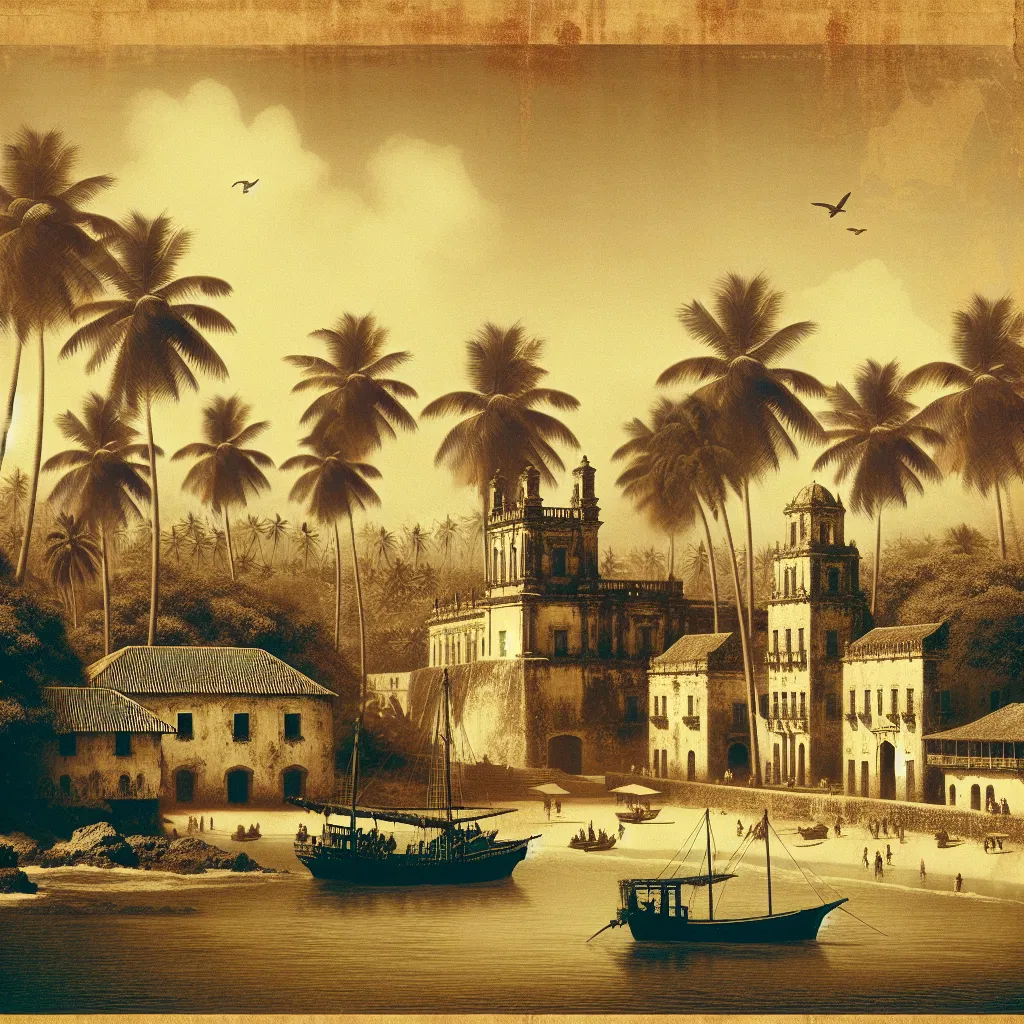

Have you ever danced to the rhythm of history nearly bursting at the seams with culture? Meet Santo Domingo. Santo Domingo, the capital of the Dominican Republic, is a city where the past and present dance in a mesmerizing salsa. Founded by Bartholomew Columbus in 1496, it's the oldest continuously inhabited European settlement in the Americas. Situated on the southeast coast of the Caribbean island of Hispaniola, the city has grown from its ancient cobblestone beginnings into a bustling metropolis. But why should you care? Because Santo Domingo is not just a place; it's an experience, a testament to resilience and diversity, echoing the harmonious chaos of its intertwined Spanish, African, and Taino legacies.
Walking the streets of the Colonial Zone, it's as if the bricks in the walls could speak. They're lined with tales of conquest and camaraderie, filled with laughter and a few whispered secrets from centuries gone by. These stories are evident at every corner, in sites like the Catedral Primada de América, the oldest cathedral in the New World. The zones bear witness to the collision of cultures—an heritage mix that formed the Dominican identity.
As much as it looks back, Santo Domingo also struts forward. Skyscrapers rise in contrasts with the colonial-era architecture, giving the city a skyline where past and present coexist in harmony. This combination makes the city a hub for modern businesses and tech companies. It's a chaotic yet beautiful mosaic that reflects the country’s economic ambitions.
The city's real beauty, however, lies in its people. Dominicans are known for their warmth and hospitality, traits that seem to amplify under the generous Caribbean sun. Whether it's a street vendor offering you a coco frio, or a local inviting you to join in a merengue-dance, the people are Santo Domingo's priceless assets. They inspire the city’s heartbeat, a syncopated mix of laughter and music that fills the air at all hours.
Understanding Santo Domingo necessitates embracing its contradictions. Culturally rich neighborhoods lie adjacent to low-income communities lacking basic services. While progress has been made, issues of wealth inequality remain endemic. Thoughtful discussions around economic justice constantly bubble under the surface, reflecting the tension of progress. As the country grows and develops, it needs to balance its charm and cultural heritage with social equity, something that should matter to anyone invested in global issues of justice.
Dominican cuisine serves as a mouth-watering metaphor for the city itself, blending various cultures and tastes into something wholly unique. Imagine tasting mangu, a dish made from mashed plantains, which harkens back to African influences. Or try la bandera—a blend of rice, meat, and red beans—illustrating the complex mixture of cultures. Street food like empanadas and sugar cane juice keep visitors going and highlight the culinary excellence bubbling at street level.
For those exploring arts and culture, the diverse art scene reinforces Santo Domingo as a focal point of creativity. Street murals and galleries display works that reverberate with historical and socio-political themes, echoing sentiments of many young Dominicans advocating for a more inclusive future. Institutions like the Museo de Arte Moderno also blend contemporary perspectives with historical contexts.
Yet, it's crucial to address opposing viewpoints. Critics argue that the chase for modernization occasionally tramples on cultural preservation. The rapidly growing tourism industry and urbanization threaten to dilute cultural sites and disrupt ecological balance. Such viewpoints are essential reminders that as much as cities must develop, they should also protect their core identities and natural environments, discussions that resonate well within the global Gen Z community fostering climate advocacy and cultural preservation.
In recent years, tourism has surged, painting the city as a must-visit destination on the Caribbean trail, but one might wonder what this entails for its future. Santo Domingo could easily morph into a vibrant cosmopolitan hub while risking becoming a mere postcard image for travelers. Locals reflect on this tension, knowing that the very soul of the city rests on their shoulders.
As we travel more and expand our digital and physical footprints, Gen Z steps into conversations about responsible and ethical tourism, cultural preservation, and environmental stewardship. Through this lens, Santo Domingo emerges as both a dreamy travel destination and a center ripe for social discourse. Cities like Santo Domingo are more than just picturesque locales; they are living entities with stories to tell, struggles to overcome, and cultures to celebrate.