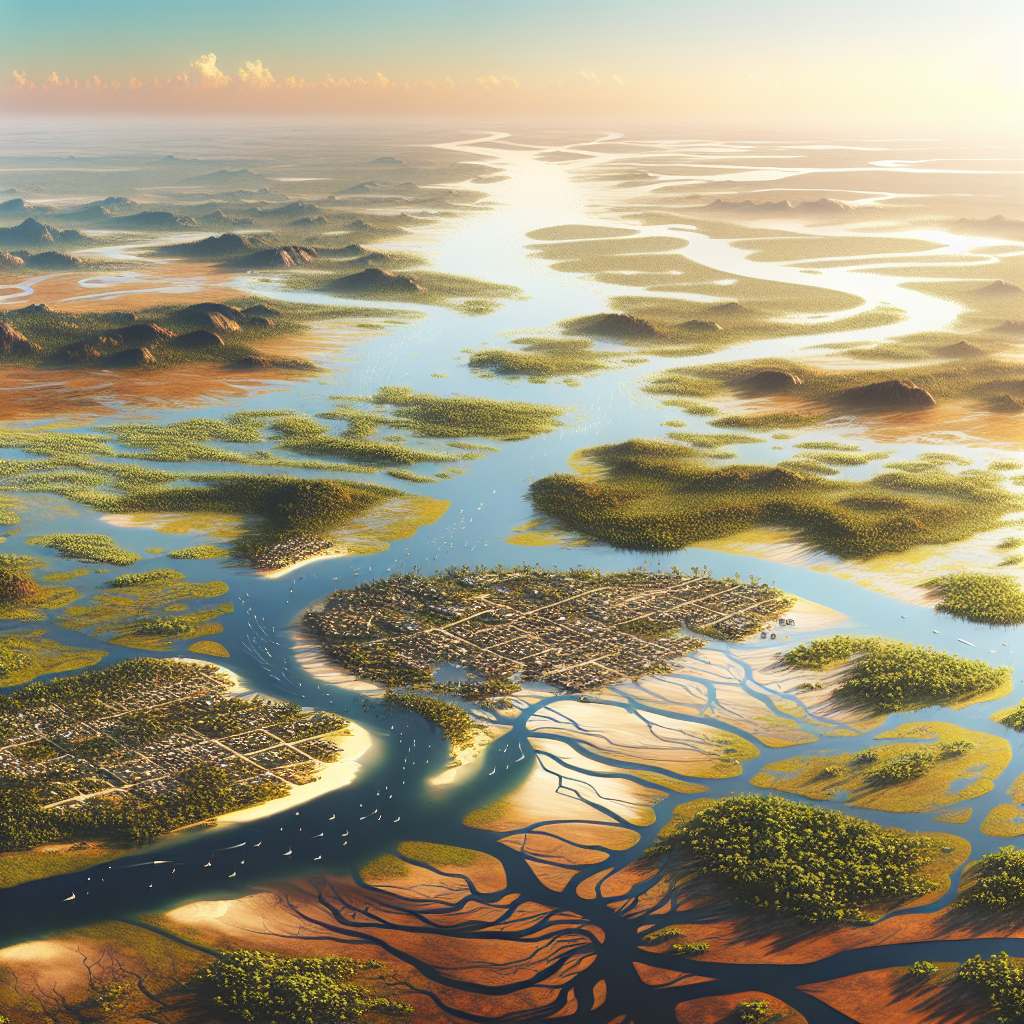

If Captain Planet planned an African vacation, he’d probably choose the Saloum Delta National Park in Senegal. This wonderous expanse of nature, announced as a national park in 1976 and later recognized as a UNESCO World Heritage site in 2011, is a unique showcase of biodiversity and cultural heritage, located where the river Saloum meets the Atlantic Ocean. This serene environment frosted with mangroves, interspersed with savannas and dusty islands, paints a picture as stunning as it is critical to environmental sustainability. The Saloum Delta isn’t just extraordinary for its beauty; it’s a lifeline for migratory birds, a cradle for marine biodiversity, and a habitat teeming with a variety of fish and mollusks.
But why should this matter to you? Our generation is on the cusp of inheriting the Earth and all its environmental challenges. Areas like the Saloum Delta are critical in the battle against climate change. They serve as natural buffers against coastal erosion, help keep carbon in check by maintaining mangroves, and support local economies through sustainable fisheries. Eco-warriors and armchair activists alike will find a common cause in preserving such a lush ecological tapestry.
Beyond the brackish waters and drifting sands, Saloum Delta also offers a compelling sociocultural narrative. The local Sereer people, co-sharers of this landscape with nature, have thrived here for centuries. Their practices exemplify a delicate high-wire act of balancing tradition with conservation needs. Fishing methods passed down through generations coalesce with environmental policies to ensure that the area’s resources are harnessed sustainably. Yet, amidst this natural synergy, there’s a sense of looming tension. As much as the park serves as an exemplar of a fruitful relationship between community and environment, growing global threats cannot be ignored.
To understand the park’s significance, it is necessary to recognize the enduring cultural landscapes it encompasses. The Saloum Delta is dotted with ancient shell mounds, some believed to be ancient burial sites, offering a fascinating glimpse into the past. This juxtaposition of ecological diversity and archaeological wealth sets the park apart, providing a holistic tapestry of human history and nature in harmony.
Nonetheless, like any haven of nature, the Saloum Delta faces its host of challenges. Climate change ushers in erratic weather patterns, shifting the sands of time for both the flora and fauna residing there. Rising sea levels pose a direct threat to the biodiversity and the livelihood of communities dependent on the park’s riches. Then there’s the thorny issue of human intervention masquerading as ‘development’. While technological progress in Senegal is generally welcomed, there’s a need to balance modernity with sustainability. Building roads, resorts, and infrastructure in the area must be done in a way that respects the park's sanctity.
There’s also an ongoing conversation about conservation versus community needs. While conservation supporters aim for more rigid protections to save the delta for future generations, communities who have lived here for countless generations emphasize their right to their ancestral lands. These people must be included in decision-making; their voices not muted as they often know the tones and textures of the region best. Their experience can guide conservationists on how best to maneuver policies that protect biodiversity while sustaining livelihoods.
It's essential to highlight the eco-tourism potential that can offer a viable solution. Responsible tourism can drive funding and attention towards preserving the ecosystem without compromising its integrity. Young people, in particular, can lead the charge in demanding ethical tourism practices, pressuring companies to choose planet over profit.
Efforts to preserve this unique habitat require a global understanding and acknowledgment of its urgency. We’re all in this together. Both liberal-minded individuals who champion broader environmental regulations and conservatives who are skeptical about governmental interventions cannot deny that the storm is coming. Our planet's future is a shared responsibility.
Aiding this conversation is a need for greater science communication. Scientists and conservationists must better translate complex ecological data into digestible content that captivates and educates. Empowered with understanding, citizens can make informed decisions—not just for themselves but for misguided leaders and policies. Think grassroots movements, digital activism, and student-led initiatives.
Visiting the Saloum Delta National Park is akin to meeting Earth in its raw form, proud yet fragile, hopeful yet threatened. It reminds us of the reciprocal relationship we share with our planet—a relationship teetering on the brink, but one we're capable of nurturing back to health. As power is being taken up by Gen Z, the future guardians, how we treat these natural treasures today will echo in the choruses sung by future generations. Let’s take this chance to walk the talk.