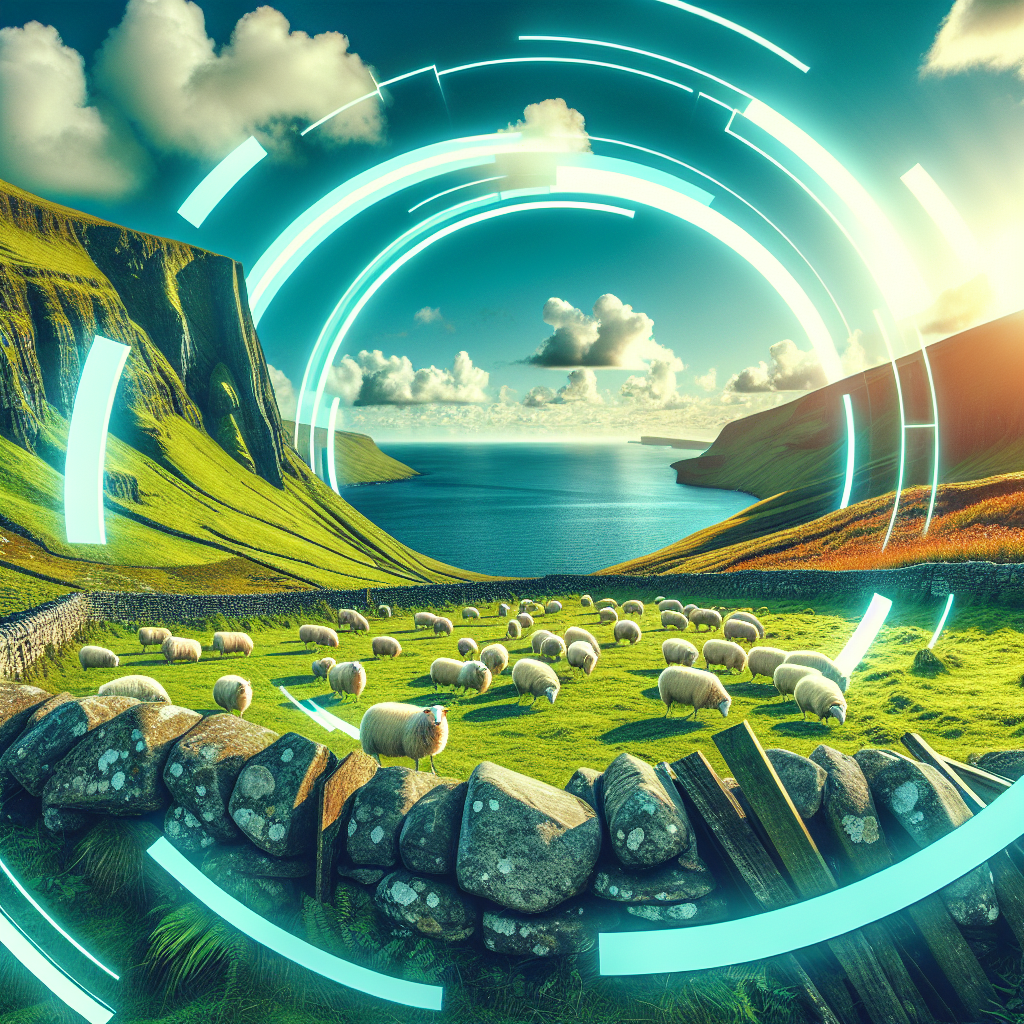

Imagine a place where the sea kisses rugged cliffs, where history lingers in every nook, and where the ever-changing sky paints a new masterpiece every hour. That's Rosguill for you, tucked away in the idyllic County Donegal in Ireland. Known for its breathtaking landscapes, rich cultural tapestry, and histories that date back centuries, Rosguill is a peninsula that captivates from the first visit. It's a slice of paradise that remains largely untouched by masses of tourists, making it a rare find in today's well-trodden world.
Rosguill offers visitors a chance to explore Ireland’s authentic charm. The peninsula is part of the Wild Atlantic Way, a tourist trail on the west coast and offers stunning views at every turn. The Who's Who of Rosguill includes the warm-hearted locals, whose stories reflect resilience and commitment to preserving the natural beauty of their homeland. Meanwhile, the villages of Downings and Carrigart stand as charming gateways to the peninsula’s treasures.
Way back in time, settlers roamed these lands, leaving behind traces in the form of ancient ruins and celtic history. It isn't just the past that Rosguill shares with its guests, but also a promising, greener future. The local community values sustainability, working harmoniously with nature to ensure this slice of heaven remains pristine.
Those who explore Rosguill find an exhilarating blend of adventure and relaxation. Hiking trails weave through hills that reward travelers with views even a professional photographer would envy. The Atlantic’s waves invite surfers, while calmer spots become havens for swimmers, breaking barriers between humans and nature.
Despite these offerings, Rosguill stays low on commercialism. There’s a charm in its simplicity, the slow pace of life there is a gentle protest to the constant hustle elsewhere. It’s not that commercialism hasn't knocked on Rosguill's door; rather, it’s the conscious choice of its people to prioritize the long-term health of their environment over short-term gains.
Experiencing Rosguill involves being connected not only to the land but also to its people. They embody an Irish spirit that is both generous and resilient. Their hospitality is not about lavish gestures but about making visitors feel part of their close-knit community. Their stories aren’t just echoes of the past; they carry lessons and hopes for the future.
An empathy towards those with contrasting views on the preservation versus development debate is essential. Global pressures on local economies can force tough choices, and there's a fine line between encouraging sustainable tourism and risking the loss of local identity. However, in a world craving authenticity, the Rosguill model is an inspiring example.
Tourism can be a double-edged sword, generating vital income yet posing risks to traditional lifestyles and natural environments. The Rosguill community exemplifies balance through small scale efforts like promoting local crafts and sustainable activities that not only entertain visitors but also create an economic buffer. They illustrate that it's possible to welcome newcomers without losing what makes their land unique.
Rosguill isn't just about escaping the urban jungle; it's a call to reconnect with nature and history. It's about understanding the intricate tapestry of life that has woven humans, stories, and landscapes together through time. As more travelers seek not just destinations, but meaningful interactions with places, Rosguill promises a journey that leaves no trace but plenty of memories.
For Gen Z venturing into Rosguill, it's more than an itinerary item. It’s a chance to advocate for environments and societies that value the present while embracing the future. An opportunity exists here to learn from a place where life isn't about what's on a screen but what's right in front of you — the heady mix of sea air, lush greenery, and the sounds of nature punctuated by a few locals' tales.
Rosguill stands as a beacon for the idea that development does not have to supplant tradition but instead can support it harmoniously. It echoes the hope that there still exist places where life is meant to be enjoyed in the present moment rather than be a sprint toward future uncertainties.
In every way that counts, Rosguill is a testament to the spirit of Ireland’s natural beauty and profound personal connections. Here lies a chance for every traveler to experience beauty stripped back to its core, and maybe, just maybe, for a few fleeting moments, find that part of themselves that urban life often obscures within its never-ending race.