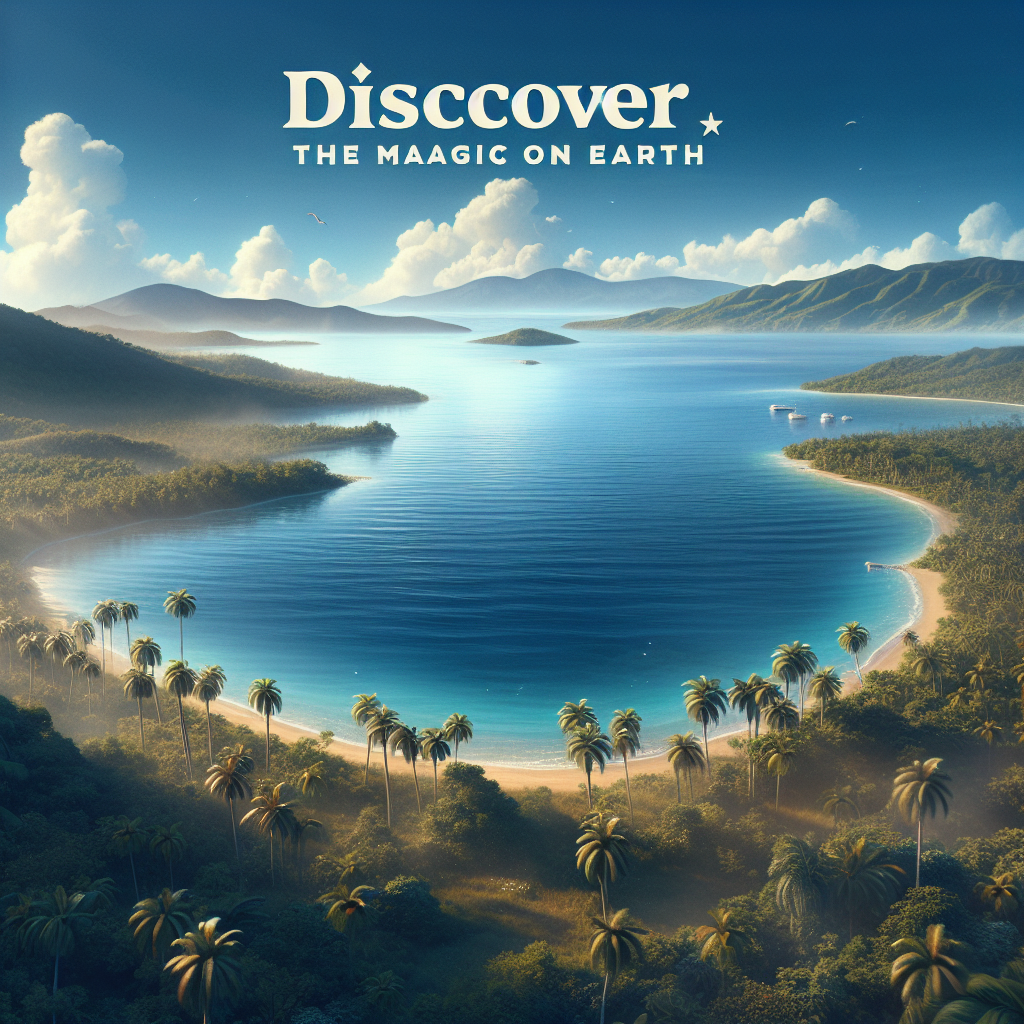

Imagine a place where the universe decided to run a beta test of paradise. That place is Rincón Bay, located in the Dominican Republic’s Samaná Peninsula. It is a sprawling crescent of powdery sand framed by lush hills. But this isn't just another pretty postcard worthy beach; there's more beneath the waves. Through the seasons, Rincón Bay plays host to migrating humpback whales, turning the waters into a bustling marine metropolis. The bay is a living example of how nature and leisure can walk hand-in-hand, sometimes stumbling over a few issues, just like humans do.
The best time to find yourself gazing at the horizon of Rincón Bay is between December and March. This is when the humpback whales visit its warm waters, creating a spectacle of nature's theater. But the bay's charm extends through the year with its warm sun, inviting sands, and the clearest water your Instagram feed has ever seen.
Rincón Bay isn’t just about becoming a selfie hotspot. Sure, the water’s inviting, the sun’s just right, and the local seafood can make you question if you’d just found a slice of culinary heaven. However, beyond its picture-perfect looks, significant issues hover. Climate change threatens the delicate balance of this ecosystem. Rising sea temperatures and extreme weather patterns remind us that places like Rincón Bay might not remain untouched for long.
Ecotourism is emerging as a popular approach to preserving this gem. Sustainable practices pivot on helping both the environment and the local community. By encouraging tourists to visit responsibly—think reusable water bottles, eco-friendly sunscreens, and respect for local customs—the bay becomes more than a destination; it becomes a partner in global conservation efforts. It’s a small price to pay for paradise, ensuring Rincón Bay remains pristine for future generations.
The locals are crucial in this narrative. They offer authenticity beyond souvenirs, with tales that go back generations and cuisines that reflect a fusion of the past and present. Engaging with the community means you don't just experience the bay's beauty; you learn the stories that make it alive.
Of course, financial interests can clash with preservation ideals. Tourism is a major economic engine for the Dominican Republic, prompting new developments that can lead to environmental degradation. Some argue that the benefits of economic growth might outweigh the immediate need for strict ecological controls.
Yet, it’s worth considering if endless resorts and commercial overdevelopment are the right stakes for a life-sized game of Monopoly. We can admire the complexity of this issue and seek balance. As the world moves further into an age dominated by climate concerns, maybe Rincón Bay can become a poster child for sustainable success. We live in times where our choices symbolize more than personal convenience; they reflect our collective conscience.
Rincón Bay may not solve the broader challenges of global warming or socio-economic disparities on its own, but as a part of this planet's biodiverse tapestry, it can certainly contribute to a better tomorrow. Understanding these nuances equips us with knowledge, making us better tourists and, dare I say, global citizens.
Gen Z, with its flair for activism and hunger for experience, can lead the charge. The drive for change—be it for climate action, political reform, or equality—fuels the generation as it surveys the future. So, visiting Rincón Bay isn’t just about making memories. It’s a demonstration of participating in its living story and adding to the narrative of environmental justice and cultural respect.
Every moment spent on that shore, with toes buried in sand or eyes tracing the sweep of a breaking wave, is a reminder of what’s at stake: unspeakable beauty that defies the harsher edges of modern life. Sharing this experience, in person or through digital snippets, creates awareness. Every like, re-share, or mere whisper reinforces the message: Rincón Bay is more than just a beach. It’s a testament to what happens when we choose to care.