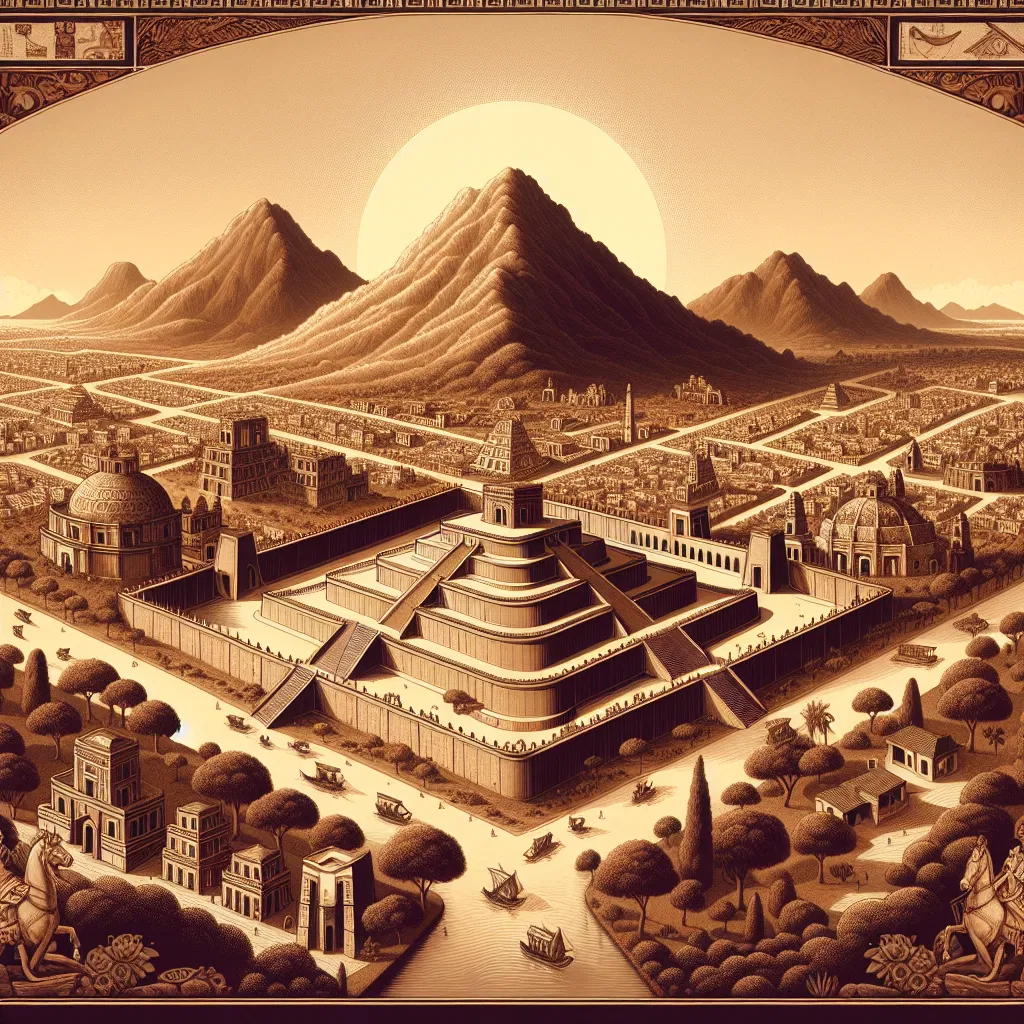

Imagine a place where history whispers its ancient secrets as if they were modern-day gossip. The Regional Museum of Cholula, located in the vibrant state of Puebla, Mexico, is exactly that kind of destination. This museum, part of the larger cultural complex surrounding the Great Pyramid of Cholula, opened its welcoming doors in 1999 and has since been a beacon of cultural heritage. It's a treasure trove that chronicles the legacy of one of Mexico’s most historically significant civilizations, allowing visitors to dip their toes into the vast ocean of Mesoamerican history.
The museum is nestled in the lower courtyard of the Great Pyramid of Cholula, a site that buzzes with echoes from its layered past. The pyramid itself holds the record for being the largest pyramid in the world by volume, which is a fascinating nugget for any history enthusiast. If you're imagining skyscrapers of stones and sweeping staircases, you might be in for a small surprise. The pyramid looks more like a hill, swallowed by the growing sprawl of grass and local vegetation over centuries. This natural cloaking challenges the conventional appearance of other iconic pyramids, igniting curiosity right from the start.
Walking through the halls of the museum, which are thoughtfully laid out and rich with story, you can lose yourself in an era that was the precursor to today’s diverse Puebla region. It's like unlocking a time capsule filled with art, religion, and daily life artifacts that made up the heartbeat of its judicial, economic, and social structures. The museum’s rooms exhibit ceramics, utensils, hieroglyphics, and monumental stones that speak of a sophisticated society that thrived in reverence to the gods and the sun.
Each display serves as a reminder of the Nahua glyphs and brightly colored murals that once adorned these spaces. It's almost cinematic, like starring in your historical fantasy with each turn leading to something new yet ancient. You can see how tools and everyday items reveal the ingenuity and artistry that flourished in a time when writing was an evolving craft.
Beyond the artifacts, the museum delves into humanistic stories with an eye for empathy and connection. You get transported not only to experience grand architectures or ceremonial artifacts, but also to appreciate the roots of the spoken Nahuatl language and its musical intonations that fill the mind just as they might have filled the bustling avenues of ancient Cholula.
For fans of cultural anthropology, this museum offers a nuanced narrative that refuses to glorify pre-colonial history without acknowledging its complexity. This means examining the intertwining of centuries-old customs with the adaptation needed for survival through European colonization. There is a duality to it—celebrating ancient wisdom while understanding the suffering inflicted upon Cholula during the Spanish conquest and occupation.
While the museum focuses on preserving cherished memories, it also acts as a platform to question the perspectives presented in mainstream history. It's a nod to the resilience the indigenous community and their constant reinvention right up into the modern-day struggle for cultural and political recognition.
On the flip side, there are those who feel that museums like this tend to romanticize the past, creating a rose-colored spectacle of what was often a harsh and competitive environment, rife with wars and human sacrifices. It's a valid concern, raising important discussions about how history is narrated and who gets to hold the pen. This invites a broader conversation about ethical storytelling, particularly when history intersects with cultural identities.
When visiting the museum, you may find yourself reflecting on these larger themes in the midst of absorbing the sights and sounds. It becomes more than a visit; it’s an experience of empathy that encourages us to learn from our collective past and to nurture a future that's inclusive of multiple voices.
For those who look at museums as mere stone and metal, such viewpoints miss the pulsing heart of what museums like the Regional Museum of Cholula represent—an ongoing conversation through time, a dance between preservation and evolution. It is an institution that invites curiosity, re-imagination, and dialogue, especially from the younger generation seeking answers to the age-old questions of identity, belonging, and justice.
Ultimately, the journey through the Regional Museum of Cholula provides more than a history lesson; it's an invitation to engage with the texture of human stories, feeling the ground you walk on as if it were woven from the past, present, and future.