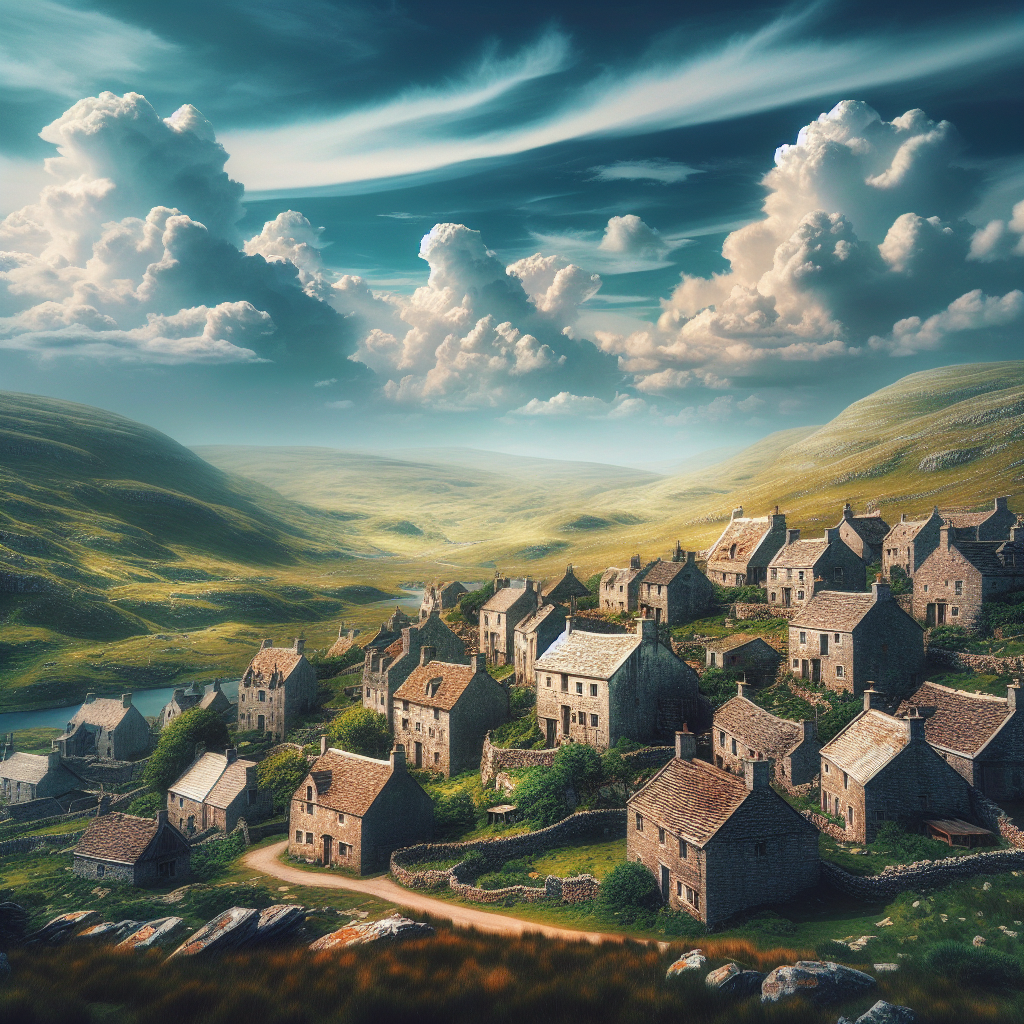

If you think Spanish landscapes are all about sunlit beaches or bustling tapas bars, think again. Rasines, a small town located in the north-western part of Spain, in the province of Cantabria, will seriously challenge your ideas. Established centuries ago, Rasines offers both tranquility and a unique glimpse into Spanish history, and it's becoming a must-see for travelers looking for something different.
Rasines is known for its charming aesthetics, with a backdrop of rolling hills and lush greenery. You'll find picturesque stone houses, cobbled streets, and an atmosphere that palpably vibrates with history. It's the kind of place where time seems to slow down, let you breathe, and allow you to appreciate the simple pleasures of life. Despite being relatively unknown, more and more people are beginning to notice this jewel and it's easy to understand why. The people of Rasines are friendly and welcoming, known for their openness and willingness to share their traditions with newcomers.
Politically, Spain is a nation that's been through a lot, from civil war to democratic transition. Rasines, like any other town, bears the imprint of Spain's complex history. For some in the community, there's a sense of pride in the way their town has preserved its cultural heritage. However, for others, the slow pace of modernization is frustrating. Infrastructure development, funding for public services, and tourism management are often sore points, sparking debates about how best to attract visitors without losing the town's character. The balance Rasines seeks may be a metaphor for what many rural places face worldwide — the juggling act between the momentum of the future and the roots of the past.
One can explore caves, castles, and monasteries, each telling its own story from different periods in Spain's timeline. The Cueva del Valle is a centerpiece of geological and archaeological fascination and provides an adventurous expedition into the depths of natural history. This stalactite wonderland is also the site where ancient artifacts have been discovered, giving insight into the region's prehistoric era. Such places often become battlegrounds for the preservationists who want to limit human impact and those advocating for tourism expansion, to boost the local economy and provide more job opportunities. With Gen Z's increasing interest in sustainable travel, this is where the conversation gets interesting.
Rasines is a prime example of the importance of sustainable tourism, a concept that focuses on making as little impact on the environment as possible while helping to generate income, employment, and the conservation of local ecosystems. For the younger travelers who prioritize ethical and responsible travel, places like Rasines are becoming increasingly attractive. It's about experiencing the world while respecting it. Responsible tourism is not just a trend; it's a vital step towards a more conscientious form of travel.
Of course, visiting Rasines isn’t just about gawking at beautiful scenery or instagram-worthy locations. It's also about distinct tastes and rich traditions. The gastronomy of Cantabria is a feast for the senses, with local delicacies like cocido montañes, a hearty stew perfect for colder days, and rabas, the local version of calamari. These dishes offer more than just satisfaction for the taste buds; they’re a direct line to the heart of Cantabrian culture, shared over tables where community and conversation meet.
Learning about Rasines' culture doesn't stop at its cuisine. The town is rich in traditions, with festivals that celebrate everything from religion to the region's agricultural roots. Visiting during one of these vibrant festivals offers a chance to interact with locals and experience first-hand the customs and rituals handed down through generations. The younger residents of Rasines see these festivals as key to maintaining their identity and community cohesion, while also acting as a magnet for tourists. It's a demonstration of how age-old traditions continue to find relevance in contemporary society.
While Gen Z is all about chasing new experiences, what's often being sought are stories, the real-life narratives that fuel an understanding of places uniquely themselves. Rasines offers this in spades. Though discussions around modernity and tradition are sometimes conflict-filled, they highlight the vibrant fabric of differing perspectives that make up this community.
Whether you choose to explore Rasines for its history, its natural beauty, or its culinary delights, what's clear is that it's a microcosm of broader conversations happening around the world. For those who appreciate places with character and want to understand them beyond surface level, Rasines isn’t just a dot on a map but an inviting call to engage, understand, and appreciate a slice of Spanish life often overlooked.