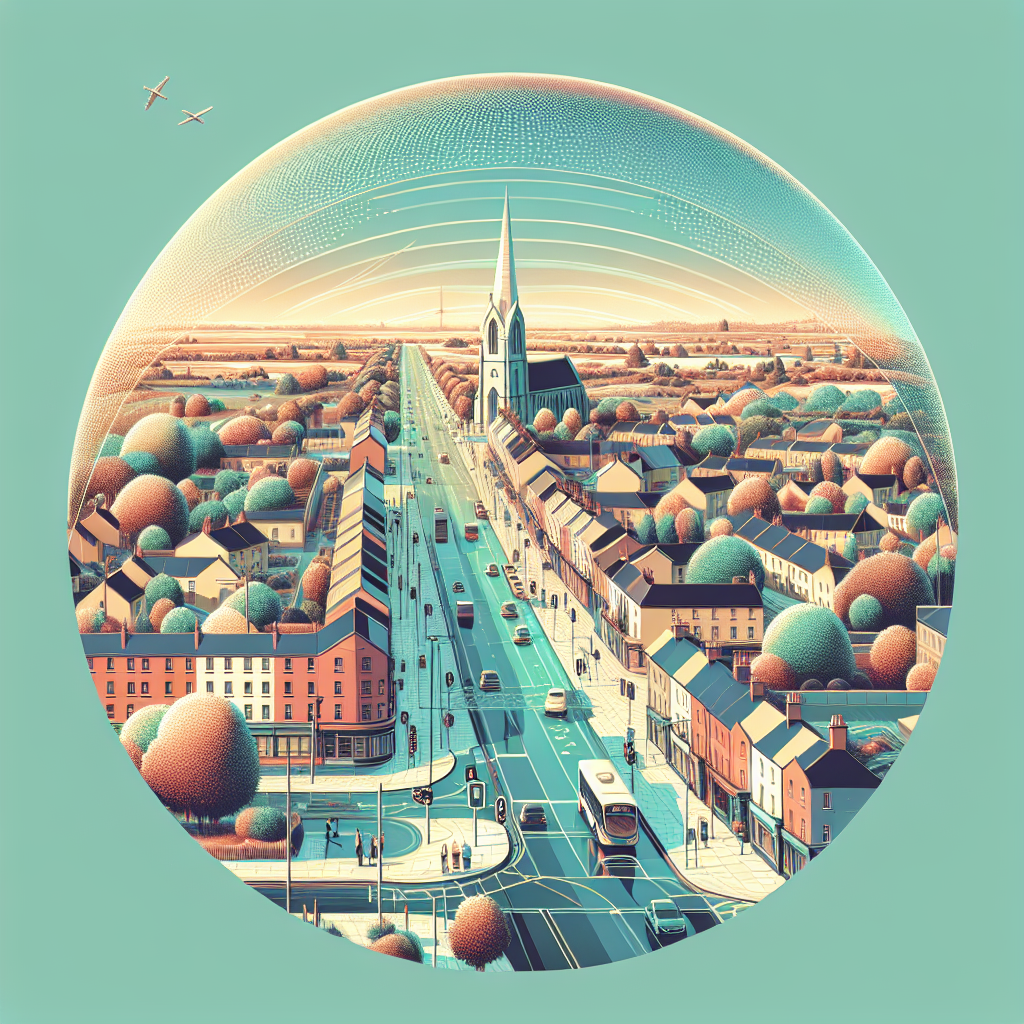

Raheny is a vibrant suburb in Dublin, Ireland, teeming with personality and rich with history. Picture this: a lively tapestry woven from the threads of history, culture, and nature, all taking center stage in the north of Dublin. This small but mighty locale is where ancient meets modern, nestled just seven kilometers from the heart of the bustling city. Bordered by the serene beauty of Dublin Bay and the expansive greenery of St. Anne's Park, Raheny is a unique blend of the wild and the urban, offering both locals and visitors a charming escape from the city’s hustle and bustle.
This area has roots deep in history, with stories reaching back several centuries. Its name, Raheny, is derived from the Irish "Ráth Éanna," which means "Ringfort of Éanna," hinting at ancient settlements long before the suburb's modern emergence. This place has seen it all—from Viking invasions to the Industrial Revolution, and now, the digital age. For many of its residents, Raheny is not just a place they live; it's a chronicle of Irish lore and a testament to how communities can evolve while respecting their origins.
A thriving neighborhood deserves a spotlight on its community-centric spirit. Raheny is a place where diversity isn't just a buzzword—it's a palpable way of life that can be felt in the air, smiled at from across the street, or found in a local café. This suburb embodies a sense of inclusivity, fostering a welcoming environment that prides itself on hospitality and warmth. It's the kind of place where a passerby is more than just a stranger; they're potentially a friend.
Raheny’s vibe carries an unpretentious charm that is hard to resist. It’s a place where old-world charm meets new-age dynamics. You can walk through its streets and see modern housing juxtaposed with timeless architecture—a poignant reminder of where Raheny has come from and where it’s heading. From the quaint cottages to the sleek new builds, every corner you turn tells a different part of its story.
For the nature lovers out there, Raheny is a hidden gem. The famed St. Anne’s Park covers a staggering 240 acres and offers lush landscapes, beautifully manicured gardens, and a diversity of flora that’s a pleasure for the senses. Strolling through the park, you're accompanied by the whispers of ancient trees and the melodies of birdsong. It’s a stunning spot to recharge and reconnect with nature right in the city's vicinity.
The park isn't just for the nature enthusiasts; it's a hub for community activities and festivals. From farmers' markets boasting local produce to cultural festivals celebrating diversity, St. Anne’s Park acts as a heartbeat for Raheny, drawing people together. Here, the art of slowing down and enjoying the simpler things is celebrated, a refreshing departure from the fast-paced life.
Raheny isn’t insulated from the challenges of urban development, though. As it continues to grow and accommodate more of Dublin's population, there are tensions between preserving the rich history and making room for modern life. It’s a conversation that many communities around the world are having: how do you respect what came before while moving forward? For some, this balance is tough to strike. Yet, Raheny seems to be navigating this tricky terrain with grace.
Economic development and sustainability are key issues that the community continues to face. Where some see potential, others view intrusion. It's vital that the views of all stakeholders are considered so that Raheny's charm isn't lost in the rush to develop. Community forums and planning initiatives have become commonplace to ensure there's space for everyone’s voice at the table.
Expanding infrastructure can provide plenty of new opportunities, but it's crucial to ensure that it doesn't overshadow the elements that make Raheny unique. This balancing act is challenging. Advocates for development argue for economic opportunities and more housing, while preservationists emphasize the value of maintaining the suburb's unique character.
The presence of a politically liberal atmosphere promotes lively debates and discussions around these issues. Many residents are keen to see Raheny evolve in a way that champions equality and environmental sustainability. Such discussions are reflective of broader global conversations, making Raheny a microcosm of our time.
Raheny is not just a geographical locality; it's a feeling, a living testament to time, and a cradle for vibrant community life. Whether you're a local or a visitor, Raheny welcomes you with open arms and invites you to explore its many facets. It teaches us that heritage and innovation can coexist, reminding us of the power and importance of community, inclusivity, and tradition.