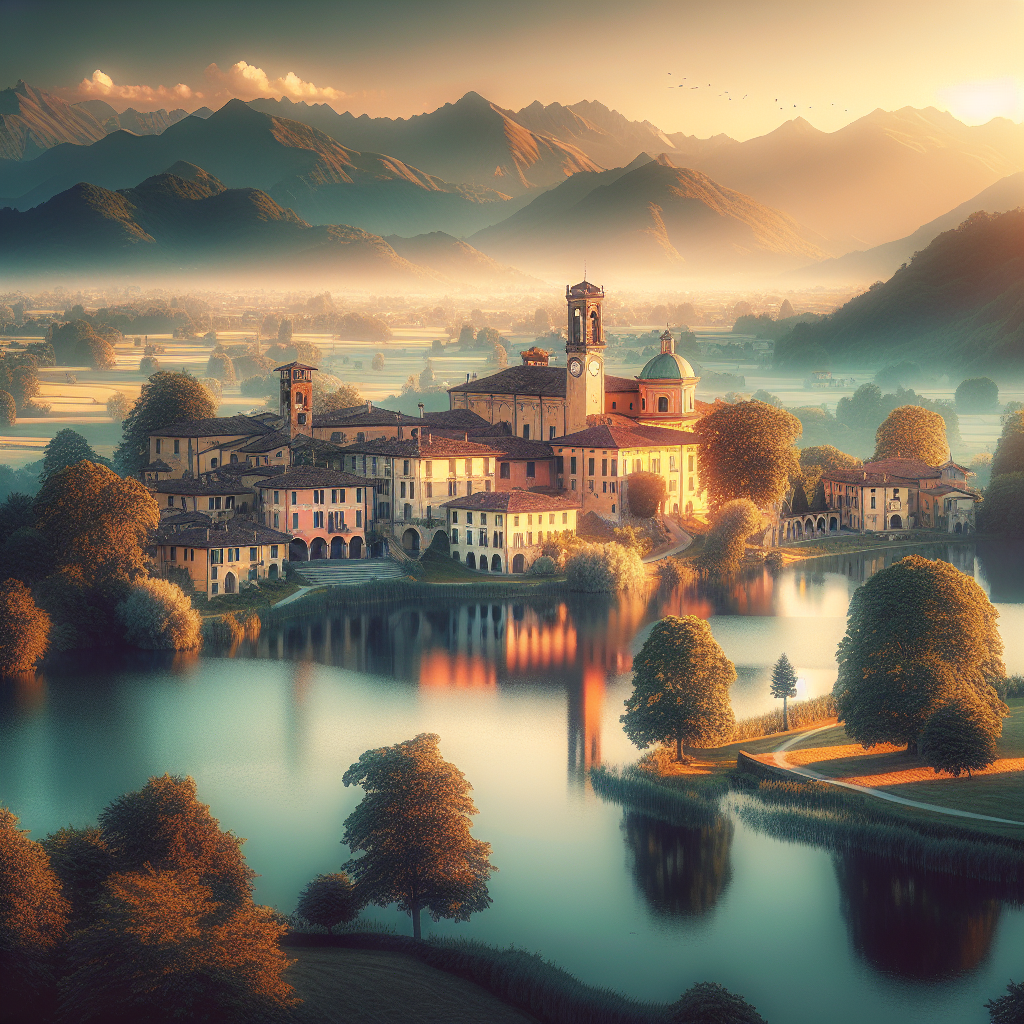

Nestled in the picturesque landscape of Northern Italy rests Racconigi, a town where history dances with charm amidst every cobblestone and castle tower. If you’re wondering what makes Racconigi the go-to spot in the province of Cuneo in Piedmont, Italy, it's a blend of architectural wonders, royal legacies, and decadent Italian broth. This cozy haven is not just rich in aesthetically pleasing views but is also an emblem of a bygone era when royalty and tradition were nonchalant companions.
The defining jewel of Racconigi is surely the iconic Royal Castle of Racconigi. Built to mirror the grandeur befitting its royal patrons, the castle was transformed in the centuries following its initial construction in the 11th century, becoming the majestic residency it is today thanks to the royal House of Savoy. This spectacular blend of medieval origins and Baroque flair narrates stories of the past with remarkable elegance, much like flipping through a generational photo album. Visitors flock here not just from within Italy but from around the world, eager to wander its regal halls and expansive gardens, rich with artistic brilliance and historical profundity.
Walking through Racconigi feels as if you’ve stepped into another era, where time bends, and the past is ever-present. Whether it's enjoying a quiet afternoon in Parco Naturale del Castello, with its serene lakes and avenues lined with ancient trees, or exploring the royal apartments adorned with ornate stuccoes and paintings that whisper stories of a royal lifestyle, you never really leave Racconigi without a touch of nostalgia clinging to your heart.
Racconigi isn’t only about royalty and peace. It’s a community with a heart. Whether you strike up a meal conversation at a quaint local osteria or cheer along with the crowd during the “Sagra dei Gamberi,” a popular festival dedicated to crayfish, you’ll get firsthand experience of the warmth and vibrancy that seem to characterize the local spirit. Just as the cobblestones carry whisperings of history, the people carry echoes of tradition and hospitality.
But let's address the elephant in the room: history inevitably brings with it debates and differing viewpoints. While many celebrate the castle’s transformation into a tourist attraction and the economic benefits it brings to Racconigi, others argue it prompts commercialization that risks overshadowing local culture. Change and modernity tug at the threads of tradition, and Racconigi is no stranger to this delicate balance. As younger generations strive to blend global influences with local traditions, finding harmony remains an ongoing endeavor.
Furthermore, the preservation of such historical sites demands attention and funds, igniting conversations about government spending and the allocation of resources elsewhere. Some residents question whether such funds could alternatively be funneled into aiding local businesses or funding social programs. This quandary isn’t unique to Racconigi but resonates in towns with similar historical significance around the world. Such discussions present a rich tapestry of opinions that shape Racconigi’s identity today.
Yet, despite the dance between old and new, Racconigi proudly hosts yearly art exhibits, performances, and cultural events that not only respect its past but also pave the way for contemporary expressions of creativity. The race towards modernity doesn’t snuff out tradition but rather reinvents it, appealing to both young visitors hungry for Instagram-worthy sights and older tourists looking for a walk down memory lane.
In this delightful crossroads of antiquity and modernity, Racconigi stands as an emblem of resilience and adaptation. It encapsulates so much of what makes Italy enchanting: a careful preservation of history, a vibrant living culture, and a community that embraces change while holding fast to its roots. It’s a place that doesn’t just invite tourists into its fold but creates a dialogue across generations, cultures, and perspectives. It leaves you pondering about time, tradition, and the ever-evolving trajectory of places too precious to be forgotten.