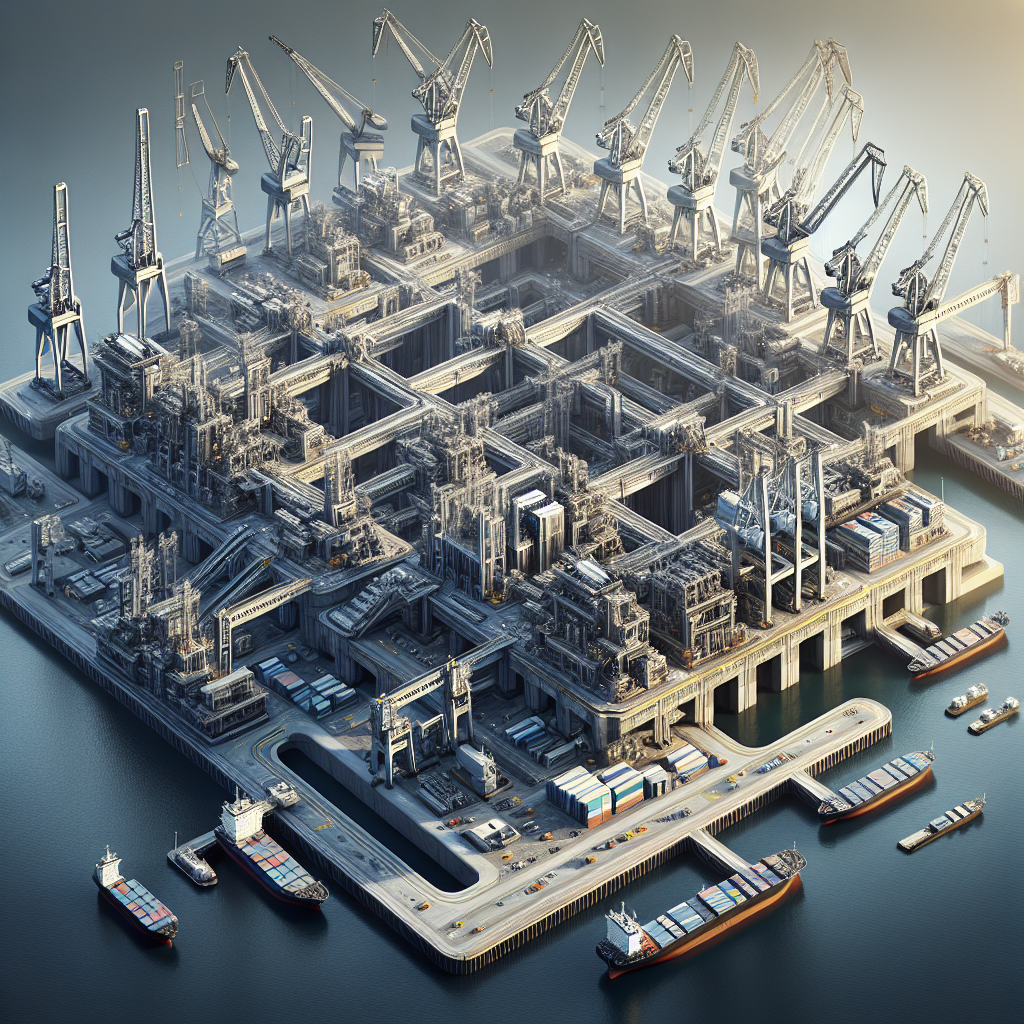

The winds of history have swept over many lands, but when you think of places that echo the whispers of the past, the Port Mahon Dockyard in Menorca, Spain, surely takes the spotlight. Crewed predominantly in the 18th and 19th centuries, this facility was a bustling hub of activity where wooden ships once ruled the waves. Located in the strategic harbor of Port Mahon, this dockyard was pivotal to the British Navy during their occupation of Menorca, a reminder of the tug-of-war between empires vying for supremacy over the Mediterranean. The British took control in 1708 during the War of Spanish Succession, and it remained under their influence with intermittent control exchanges with the French and Spanish till the early 19th century. So, why was this spot so profoundly important? It provided safe anchorage, a refuge for ships in distress, and a strategically advantageous position for controlling naval routes.
Imagine the crisp sea breeze brushing over your face as you ponder how deeply history runs here. With British naval officers barking orders, shipwrights hammering relentlessly, and the bustling activity fueled by an empire's ambition, Port Mahon was the heart of maritime innovation and significance. The dockyard's strategic importance was not lost on any of its occupiers, as it acted like a chess piece, pivotal in controlling the Mediterranean's naval chessboard. Despite its deep connection to military history, today, it's more of a tranquil spot, standing as a testament to how nature reclaims what was once a theater of strategic prowess.
The opposition surrounding military installations like the Port Mahon Dockyard often circles back to colonialism. At its core, the imperial grip on areas like Menorca illustrates the lasting impacts of empires on local communities and cultures. These places not only held economic and military value but were also symbols of control, an ode to the empire's reach across the globe. For the occupied communities, this often meant not just a change in governance but also shifts in cultural dynamics, with impositions overshadowing traditions.
Yet, one must acknowledge the dockyard's role as a catalyst for technological and naval advancements. European powers, always in a bid for dominance, pushed the boundaries of naval architecture and maritime strategy here. New ship designs were tested, repaired, and refitted more efficiently than ever before. While the British, French, and Spanish armadas clashed over seas, innovations that occurred at facilities like Port Mahon were crucial to shaping future maritime warfare. Each step in refining shipbuilding at these yards represents a chapter in the evolution of naval engineering.
Fast-forward to today, and you might see remnants that recall the bygone era at Port Mahon Dockyard. What was once a buzzing military base is now an emblem of Menorca's rich history and cultural tapestry. While the dockyard no longer supports armadas, its legacy serves as a powerful reminder of the consequences and influences of colonial rule. Some local voices argue about the dockyard's role and its visible remains. For some, it's a source of pride, drawing tourists and history buffs to its shores; for others, a bitter nod to an era of subjugation.
Living in a world where past colonial powers are constantly reckoning with their histories, it is essential to understand these tales from both perspectives. For some, it represents progression, evolution, and victory over turmoil. Conversely, others focus on the suppression of native peoples and the stripping away of indigenous cultures.
Regardless of where one stands, the forgotten stories of Port Mahon Dockyard continue to live on, breathlessly waiting to be heard and understood. The stone-built structures and surviving architecture tell tales of an era that was just as defined by its advances as by its transgressions. Today, as part of a peaceful Mediterranean landscape, the dockyard offers a canvas for reflection, perhaps a moment to reconcile with the often complicated legacies we inherit.
In embracing these historical narratives, we are challenged to think about the world in broader terms. Acknowledge where we've come from and what strides we've made going forward. The youth of today, particularly Gen Z, with their digital savvy, have a sharp eye on history's role in shaping current social landscapes. They are the changemakers, learning from the echoes of places like Port Mahon Dockyard and navigating a future that is yet to be written. As guardians of tomorrow's world, perhaps understanding the past better prepares them for the challenges and opportunities that lie ahead.