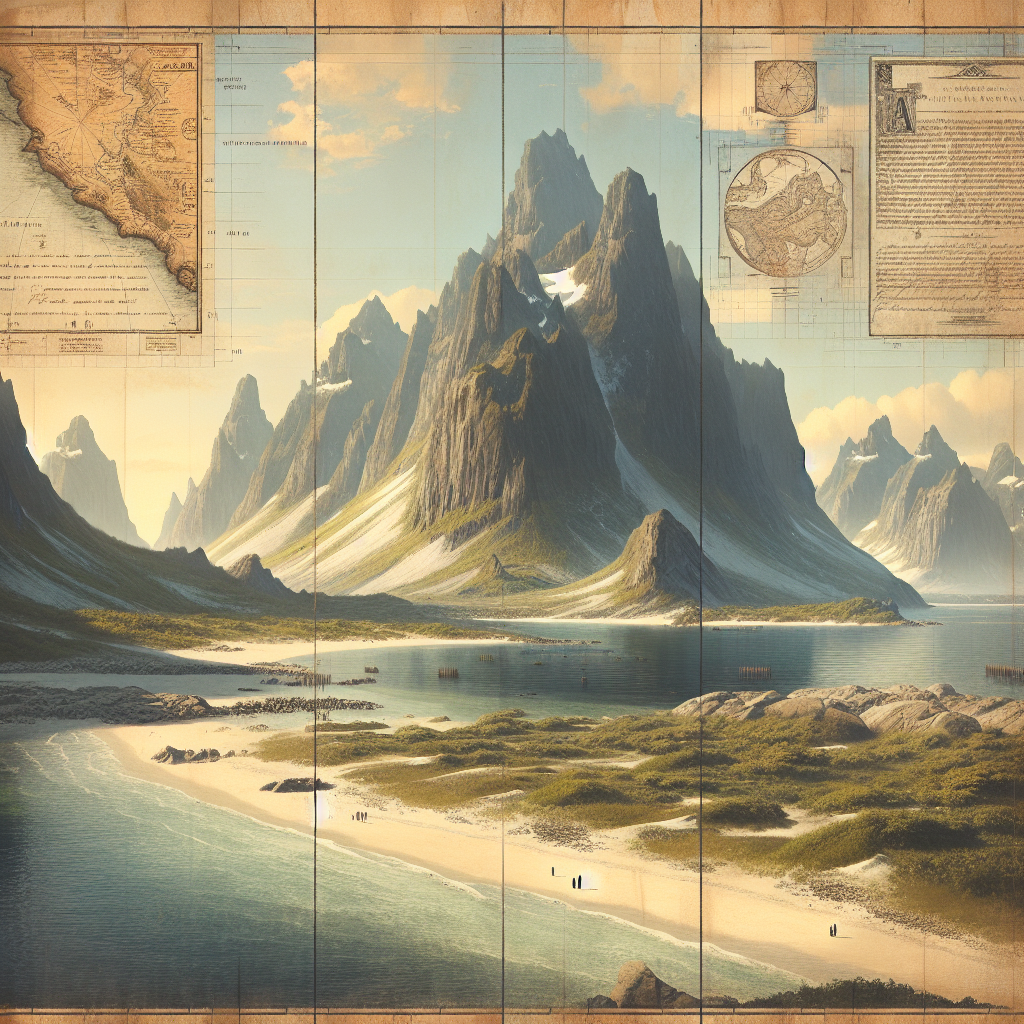

Pearly Beach: A Hidden Gem on South Africa's Coastline
Imagine a place where the ocean kisses the shore with gentle waves, and the sand glistens like tiny pearls under the sun. This is Pearly Beach, a small coastal village located in the Western Cape of South Africa. Known for its stunning natural beauty and tranquil atmosphere, Pearly Beach is a destination that offers a perfect escape from the hustle and bustle of city life. The village is situated about 180 kilometers southeast of Cape Town, making it an accessible getaway for both locals and tourists. Its pristine beaches and rich biodiversity make it a haven for nature lovers and adventure seekers alike.
Pearly Beach is not just about its picturesque landscapes; it is also a community with a rich cultural heritage. The area is home to a diverse population, including descendants of the indigenous Khoisan people, as well as settlers from Europe and other parts of Africa. This blend of cultures is reflected in the local traditions, cuisine, and festivals that take place throughout the year. Visitors can experience the warmth and hospitality of the locals, who are always eager to share their stories and traditions with newcomers.
One of the main attractions of Pearly Beach is its unspoiled coastline, which stretches for miles and offers a variety of activities for visitors. From swimming and sunbathing to fishing and surfing, there is something for everyone to enjoy. The beach is also a popular spot for whale watching, as the Southern Right Whales migrate to the area between June and November. These majestic creatures can often be seen breaching and playing in the waters, providing a breathtaking spectacle for those lucky enough to witness it.
For those interested in exploring the natural environment, Pearly Beach is surrounded by a diverse range of flora and fauna. The nearby Walker Bay Nature Reserve is home to a variety of wildlife, including antelope, baboons, and a wide array of bird species. Hiking trails wind through the reserve, offering visitors the chance to immerse themselves in the beauty of the fynbos, a unique type of vegetation found only in the Cape region. The reserve also boasts stunning views of the ocean and the surrounding landscape, making it a must-visit for nature enthusiasts.
While Pearly Beach offers a peaceful retreat, it is not without its challenges. The village faces issues related to environmental conservation and sustainable development. As more people discover the beauty of Pearly Beach, there is a growing need to balance tourism with the preservation of the natural environment. Local authorities and community organizations are working together to implement measures that protect the area's biodiversity while promoting responsible tourism. This includes initiatives to reduce plastic waste, protect marine life, and educate visitors about the importance of conservation.
Some may argue that increased tourism could lead to economic growth and improved infrastructure for the village. However, it is crucial to ensure that development does not come at the expense of the environment. The challenge lies in finding a sustainable approach that benefits both the community and the natural surroundings. By prioritizing eco-friendly practices and supporting local businesses, Pearly Beach can continue to thrive as a destination that values its natural heritage.
Pearly Beach is a place where the beauty of nature and the warmth of the community come together to create a truly unique experience. Whether you're looking to relax on the beach, explore the great outdoors, or learn about the local culture, this hidden gem on South Africa's coastline has something to offer. As more people discover the charm of Pearly Beach, it is essential to remember the importance of preserving its natural beauty for future generations to enjoy.