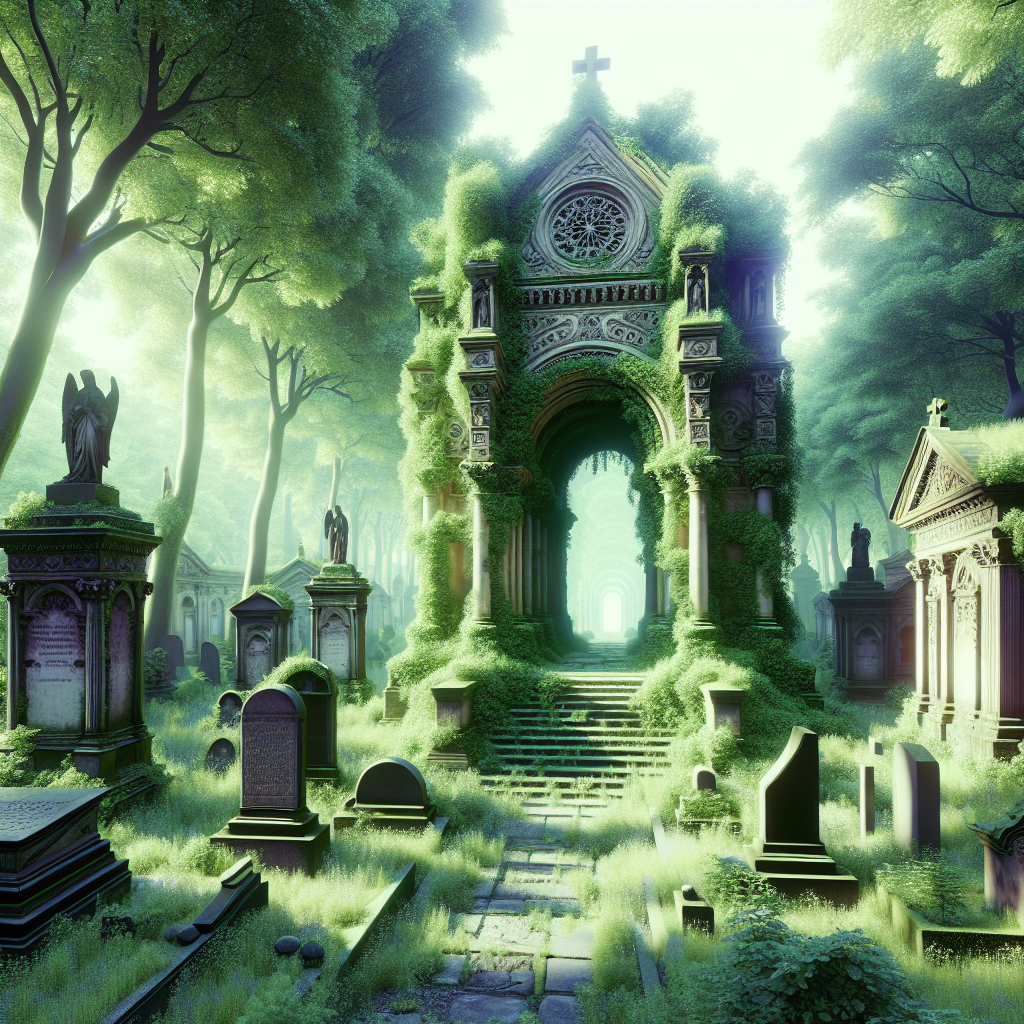

They say every stone tells a story, and that's never truer than in the heart of Dresden, where the Old Catholic Cemetery stands quietly, whispering tales from a bygone era. Established in 1720, the cemetery is located in the Friedrichstadt district of Dresden, Germany, and holds the serene remains of over 30,000 souls. This cemetery, with its baroque architecture and carefully sculpted gravestones, is not a mere collection of memorials, but a reflection of the city’s cosmopolitan spirit and the rich diversity that shaped its past. It hosts the graves of Catholics who were once marginalized in a predominantly Protestant region, making it not just a burial ground but a symbol of religious coexistence and perseverance.
Walking through the cemetery is like stepping into a history book, with graves dating back hundreds of years, inviting us to ponder the lives and eras they represent. The architecture itself speaks volumes, with ornate sculptures and intricate ironwork that seem to demand contemplation. While some might see old cemeteries as somber places best avoided, the Old Catholic Cemetery offers a meditative escapade into both the beauty and tragedy of life gone by.
For many, cemeteries evoke a sense of solemnity, but they are also a testament to love, memory, and identity. This cemetery, nestled in Dresden’s landscape, offers a unique peace and an opportunity to reflect on the historical tides that reshaped Europe. As you stroll along its pathways, legends of musicians, soldiers, and scholars emerge, each with a narrative cut short by fate yet eternally echoed by history. It whispers of the city’s resilience, having survived the ravages of the World War II when Dresden was severely bombed.
Despite the echoes of the past, or perhaps because of them, visitors today find in this cemetery a profound poetry of life and death. For Generation Z, often deemed to be at odds with tradition, there's an ironic appeal to these silent grounds. They offer an authentic tie to the past—a digital detox of sorts—in a world that's moving faster than ever. The cemetery becomes a place to learn from history without the pressure of modern-day distractions, a space to engage in deep, introspective thought.
That being said, cemeteries aren't everyone's cup of tea. Some see them merely as haunting reminders of mortality, triggering an unease that stems from our collective fear of the unknown. Such opinions deserve empathy, understanding, and respect. There’s courage in confronting the discomfort that places like the Old Catholic Cemetery might bring. It’s where the past and present meet, and sometimes clash.
Exploring this site is also deeply educational. It's here that one can decode the evolution of art and society over centuries. The gravestones are more than just markers of death—they're monuments to cultural shifts and changing artistic expressions. From baroque angels to modern headstones, the cemetery is an open-air museum chronicling the city’s metamorphosis over time.
Navigating these timeless rows fosters a unique sense of community, bridging the gap between the living and those who came before. It's not uncommon for descendants to visit, tracing their lineages back through the chapters inscribed in stone. For historically inclined explorers, uncovering family histories here is like piecing together an extensive, personal narrative.
It’s also a gentle reminder of our place in the world, fostering a sense of humility. As we inch through life in constant pursuit of triumph and influence, the cemetery grounds serve as a gentle hum of humility, whispering that we are all, ultimately, on borrowed time. The solace found here encourages introspection, fostering gratitude for the lives we lead, volatile as they are in their impermanence.
Politics are an inextricable part of life everywhere—even in spaces where politics seem least relevant. The cemetery, however, serves as a neutral ground, quietly asserting that beyond the debates of our day, humanity's timeless journey continues. In a world often divided, this resting place is a testament to unity, showing that irrespective of our beliefs, identities, or struggles, we all return to the earth.
For environmentalists, the cemetery offers lessons in coexistence with nature. As time passes, nature reclaims the stone pathways and sculpted graves in a beautiful cycle of life and decay. The flora that flourishes among the stones transforms it into a natural habitat, adding a layer of beauty to the solemnity.
One might argue that cemeteries should evolve, creating functional spaces alongside their traditional roles. Perhaps they could become parks, or centers for community activities. It's an interesting proposition to merge history and modernity in these sacred places, ensuring their relevance continues.
Whether you visit the Old Catholic Cemetery to enjoy a quiet walk, to analyze art and architecture, or to ponder life's bigger questions, you're a part of the continued narrative of Dresden. Each visit is an unspoken dialogue between you and the stones, contributing to a cycle of memory and forgetting.
In the end, this place is about more than just those we’ve lost. It’s a vibrant tapestry of human experiences, steadfastly standing its ground amidst the ticking clock of modernity. The stories it houses serve as echoes, resonating with every footfall upon its grounds, a reminder of Dresden’s enduring soul.