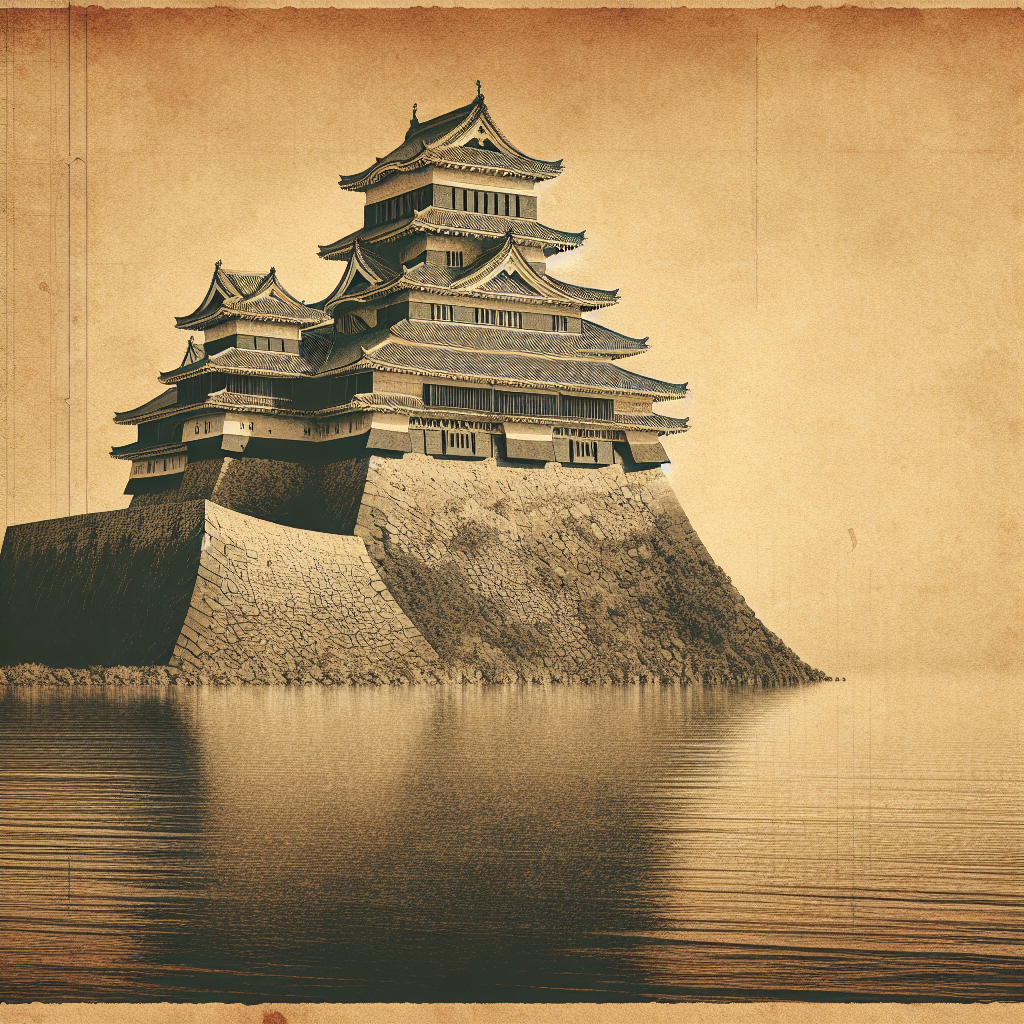

What if I told you there exists a place where time stands still, holding the echoes of swords clashing and ancient samurai roaming its grounds? That, my modern-day friend, is Okazaki Castle. Situated in the city of Okazaki in Japan's Aichi Prefecture, the castle is a treasure trove of history and culture, originally constructed in the 15th century. Its roots trace back to the Sengoku period, an era of warring states in Japanese history, and it played a crucial role as a strategic site for the Tokugawa clan.
Okazaki Castle is not just a relic. It’s tangible, proof of the intricate tapestry of history that forms modern Japan today. For locals, it stands as a reminder of resilience and unity, especially given its connection to Tokugawa Ieyasu, one of Japan's iconic shoguns. The terrain once saw numerous battles, witnessed treaties, and bore witness to the unification of Japan. Constructed by the Saigo clan, Okazaki Castle became an epicenter of power when Ieyasu was born there in 1543.
The castle we see today is a reconstruction, as its original structure was torn down during the early years of the Meiji Restoration, a time when Japan was rapidly modernizing and seeking to break free from its feudal past. Rebuilt in 1959, this reconstruction effort was laden with symbolism—a testament to Japan’s appreciation for its history even as it embraced the future.
Wandering the grounds of Okazaki Castle, you're sure to feel an overwhelming sense of peace. The site thrives with cultural experiences, offering visitors the chance to immerse themselves in a samurai's life. Exhibitions brimming with armor, weapons, and artworks paint vivid pictures of an era long gone. As you climb to the top of the castle's main tower, a panoramic view of Okazaki City greets you, contrasting the charm of historical aesthetics with the dynamic spread of urban life, reminding us of how past and present coexist.
Nature, too, plays its role in framing Okazaki Castle. Sakura season transforms the area into a sea of pink, with cherry blossom trees reflecting delicate petals against the castle’s sturdy façade. Each year, the cherry blossoms draw crowds eager to partake in 'hanami,' or blossom viewing. Cherry blossoms are tied to themes of renewal and fleeting beauty, paralleling the bittersweet end of Japan’s feudal era.
Yet, the restoration and appreciation of such a historic site can bring up different perspectives. Some argue that reconstructing castles like Okazaki's doesn’t fully capture their authenticity, given that they often lack original materials. This perspective raises important questions about how societies engage with history. Is it better to let ruins speak with silence, or build replicas that revive the spirit of what once was? Many visitors appreciate the chance to walk through history, even if it’s through reconstruction.
Visual aesthetics aside, Okazaki Castle provokes thought; it forces us to reflect on change. As we advance in technology and globalization, places like Okazaki remind us of stability and heritage. They offer solace much-needed in our fast-changing world and teach Gen Z about resilience and continuity. Okazaki becomes not just about depicting history but allowing newer generations to reconnect with a past that somehow influences their present lives.
Before departing, wander through Okazaki Park, surrounding the castle. It's home to statues of historical figures and an exhibit hall that further delves into the Tokugawa family’s history. Every corner of this place invites you to listen closely to whispered tales of a bygone era.
When traveling or contemplating future travel plans, consider how places like Okazaki Castle bring narratives to life. Despite challenges and criticisms, reconstructions like these can powerfully rekindle ancestral connections. They matter because they let us see ourselves as part of a long, ongoing story. This isn’t just nostalgia—it's understanding what shaped the world, who shaped it, and the ideals that persisted through change.
Okazaki Castle becomes a part of our journey to ask those essential human questions: Where did we come from? How far have we come? And most importantly, how do we balance heritage with the tide of modernity? The castle doesn’t solve these queries but encourages us to keep searching, to keep exploring. It's a space for reflection as much as admiration, allowing us to dream up futures that are informed by the rich textures of our collective past.