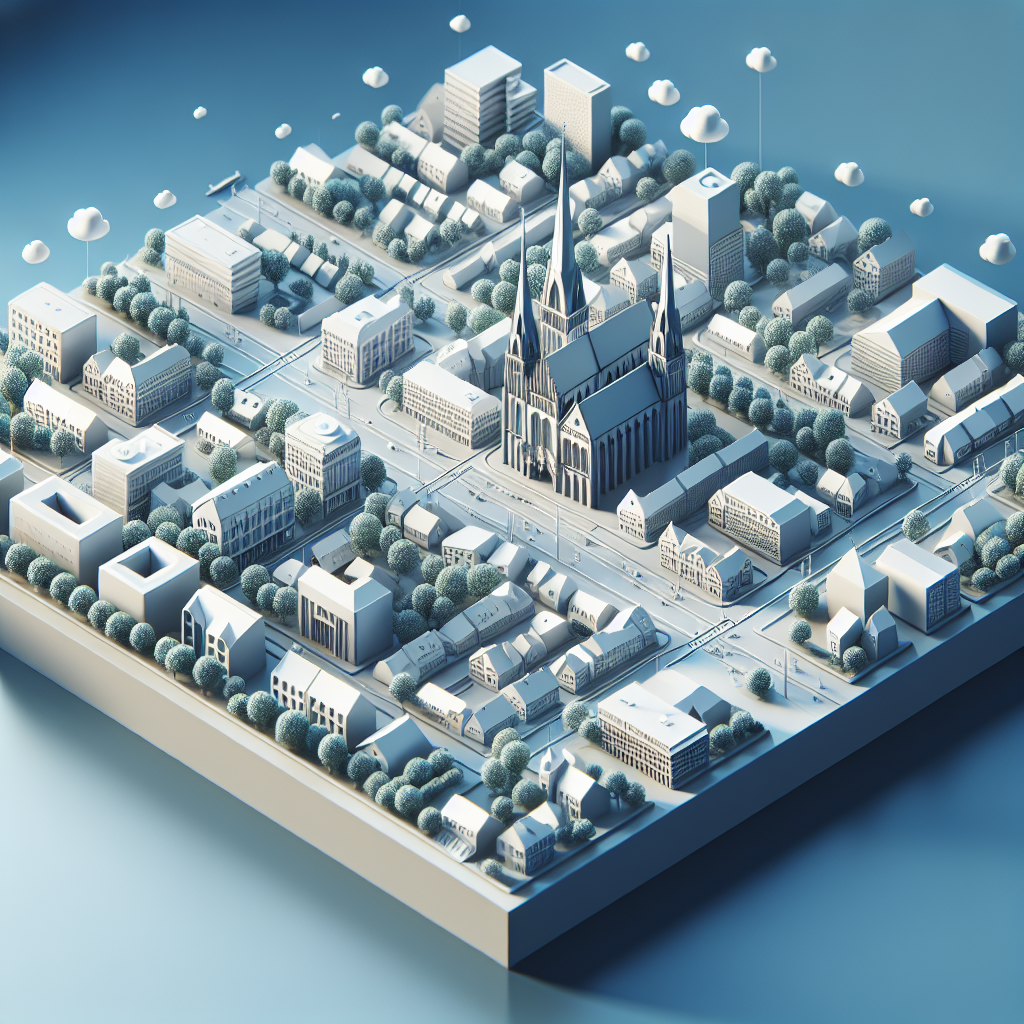

Amid the hustle and bustle of modern life, there exists a quaint town where serenity prevails—Norden, located in Lower Saxony, Germany. This gem of a place, with its rich history dating back to the 13th century, is nestled in the northwest part of the country, near the North Sea. It has embraced both its traditional roots and the promises of modernity, making it a delightful experience for both locals and tourists.
Norden stands as one of the oldest coastal towns in the East Frisia region, retaining its unique charm through well-preserved architecture and vibrant cultural practices. It is a place where cobblestone streets whisper stories of the past and the salty air promises new adventures. Whether it's the stunning Ludgerikirche church or the pretty tea houses dotting the town, Norden seamlessly blends the old with the new, catering to everyone from historians to wanderlust-driven travelers.
During the summer months, Norden becomes a destination of choice for those seeking to escape the scorching urban heat without sacrificing comfort. The cool, coastal climate offers relief and a chance to explore outdoor activities, like cycling along the dike or birdwatching in the nearby Ley Bay. Nature here is not just an accessory but a companion, enhancing the harmonious lifestyle that the residents have cherished for centuries.
The town's economy flourishes primarily through small enterprises, with tourism playing a significant role. While some locals might express concern over the increasing commercialization, many acknowledge that tourism injects vitality and diversity into Norden's economy. This symbiotic relationship demonstrates how a town can be true to its roots while also welcoming the benefits of a global audience.
Cultural history thrives with local festivals that celebrate Norden’s heritage and community spirit. Events, such as the 'Ostfriesland Festival,' draw crowds for their vibrant displays of music, art, and food, celebrating not only local tradition but also inclusivity and diversity. This openness challenges the typical perception of rural towns being closed off or resistant to change.
In the heart of Norden's charm lies its people. Known for their friendliness and warmth, the locals contribute significantly to the appeal of the town. While economic hardships and modern pressures aren't unheard of, the residents’ resilience shines through. They have learned to adapt and innovate, presenting a forward-thinking community that cares deeply for its cultural identity.
For many Gen Z and millennials, Norden represents an ideal balance of heritage and modernity. It offers an alternative lifestyle that values community and sustainability, which resonates with those seeking deeper connectivity. The town’s approach to sustainability is notable, with several green initiatives in place. These include waste management programs and local policies focused on reducing carbon footprints. However, balancing conservation with growth continues to pose challenges.
For some, the tranquil pace of life in Norden might seem too slow, especially for those used to the fast-paced city life. However, the town cleverly counters this with an engaging cultural scene and a plethora of outdoor activities. Norden is a place where one can disconnect from the chaos and enjoy meaningful experiences, whether it is spending a sunny afternoon at a local café or fishing by the ocean.
From a broader perspective, Norden's model of development and community life sparks conversations about how rural areas can evolve without losing their unique identities. This discussion invites us to reflect on sustainability, economic balance, and cultural preservation in an ever-globalizing world.