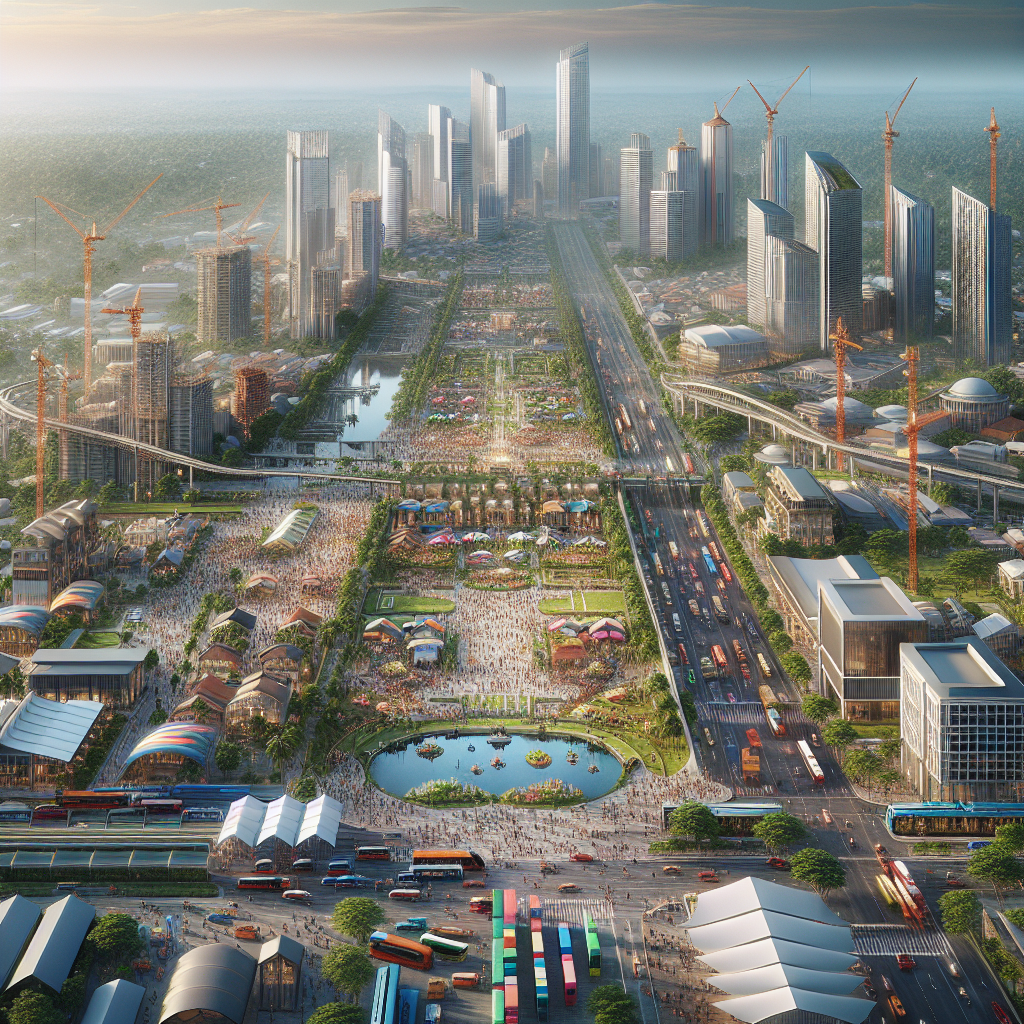

Imagine you're in a small college town in Malaysia, its name unfamiliar to many outside its immediate area, yet the beat of its heart is worth more than a glance. Nilai, a modest town situated in the state of Negeri Sembilan, holds a unique charm and significance that extends well beyond its borders. What makes Nilai a place of interest today is not just its geographical location – a mere 50-minute drive from bustling Kuala Lumpur – but its crossroads of history, culture, and education that invite introspection and exploration.
Nilai's story and contribution are more profound than its size suggests. Originally not much more than a plantation estate, Nilai has grown remarkably, its development spurred by strategic educational and commercial investments. The town is now frequently associated with its academic institutions, the likes of INTI International University and Nottingham University Malaysia Campus, attracting students from across the globe. As a multicultural hub, it fosters an environment embracing diversity, learning, and understanding, essential elements in any progressive society today.
Yet, Nilai is more than just a student town. It is the embodiment of Malaysia's fascinating blend of tradition and modernity. The proximity of Nilai to other major urban centers like KLIA and Seremban doesn't dilute its own distinct identity. Visiting cultural sites like the Nilai 3 Wholesale Centre, a colorful reflection of the country's commerce and diversity, or experiencing local festivals, food, and community spirit reaffirms the cultural ties that bind locals and visitors alike. It's the quintessential Malaysian experience - where historical heritage meets modern aspirations.
Even when exploring this town's facets, opposing opinions surface. Some criticize its fast-paced growth as a threat to its traditional essence, pointing out that rapid urbanization can overshadow local culture. A clash between preserving the past and embracing the future is a familiar narrative in many developing regions. This is a point where understanding must diverge from mere observation. To foster inclusive growth, recognizing the balance between old and new is indispensable.
Empathy for these differing viewpoints can yield a more nuanced appreciation. Yes, modern developments offer opportunities in education, employment, and culture that would have been inconceivable in the township's nascent days. Simultaneously, preserving the rich customs and traditions that gave birth to Nilai's identity is equally crucial. In these contradictory paths lies a common thread - a shared desire for community, progress, and belonging, necessary for effectively navigating change.
Residing in Nilai or interacting with it might also encourage discussions about broader societal themes such as immigration, cultural exchange, and globalization. The diverse thought pool within educational institutions provides a naturally fertile ground for these conversations to emerge. Amid debates that can often polarize, remembering the essence of Nilai - its embrace of diversity and its drive towards inclusive progress - remains important.
Nilai brings to the foreground the dynamics of integrating change while maintaining cultural identity. It's a microcosm where global meets local, an example of evolution harmonized with tradition. It personifies Malaysia's multifaceted society where transitions are embraced alongside customs respected.
Engaging with Nilai goes beyond its physical confines. It becomes a conversation about who we are when we interact with change and how small places can offer big lessons. What's behind a name or a place often tells a bigger story—a tale of collective human aspirations.
In a time when the world seems increasingly divided, cities like Nilai remind us of the beauty of inclusiveness and understanding despite differences. Nilai isn't just about a town in Malaysia; it offers reflections applicable universally. Whether you're reflecting on a visit or contemplating societal dynamics, there's a mutual thread that speaks to the core of human experience, transcending geographical limitations.