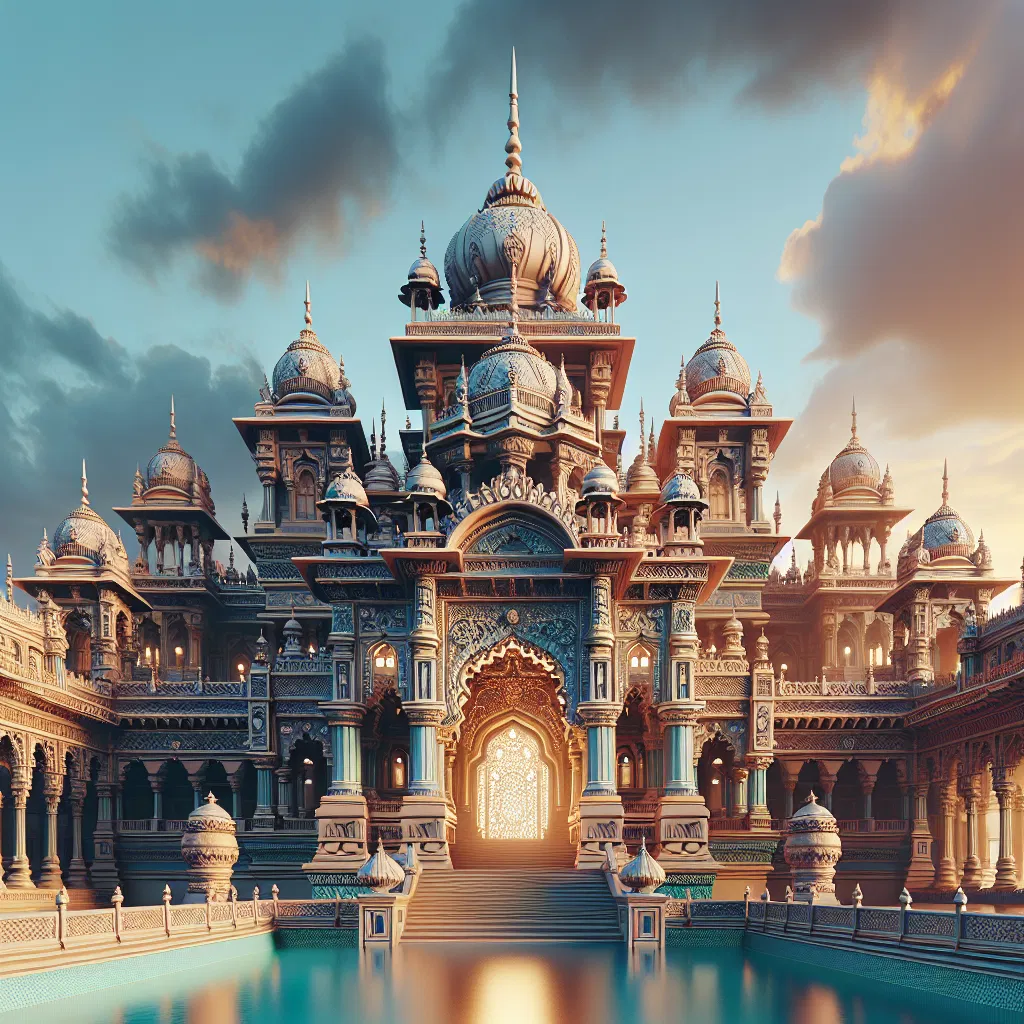

Neerazhi Palace, a forgotten jewel nestled in the lush terrain of Kerala, is a storybook chapter that springs to life. Built deep in the verdant landscapes of Changanassery, Kottayam, it's a place you might miss if you blink, but it holds whispers of the past that echo the regal history of the Kingdom of Travancore. Constructed in the 18th century, it served as an administrative hub and a residence for the royal family, embodying the grandeur and architectural finesse of Kerala's royal lineage.
This palace, lesser-known compared to other opulent Indian landmarks, captures the allure of bygone eras through its architecture and cultural significance. The structure seamlessly blends traditional Kerala style with influences from the Dravidian art forms. Its wooden ceilings and mural-adorned walls create a serene yet sophisticated atmosphere, telling stories of cultural exchanges and historical nuances.
While much of the world gets swept up in the glitz of popular destinations, Neerazhi Palace is a testament to the beauty found in understated elegance. The intricacy of its architecture bears witness to a time when design married functionality in a way that modern structures often overlook.
Visitors stepping into Neerazhi Palace are greeted by sumptuous gardens and a cloistered, hushed environment that feels like stepping back in time. It eschews the grandiosity of India’s more famous palaces but offers intimacy and tranquillity instead, offering a peek into the lives of the royal family who once called it home.
Historically, the site was pivotal as the seat of power for the Nyceril Adhikarams, who were sub-rulers under the Maharaja of Travancore. Back then, the palace wasn't just a symbol of political might but also a center for cultural evolution and patronage, where arts and literature flourished under royal support. It was a hub where intellectuals, artists, and leaders gathered, making it a nurturing ground for Kerala's vibrant cultural fabric.
Today, Neerazhi Palace stands at a crossroads of preservation and decay. Like much of India’s heritage, it faces the relentless push and pull between modern development and historical conservation. The palace’s current condition reflects a wider issue seen worldwide, where heritage sites struggle against time, climate, and sometimes, political indifference.
It is heartening to note an increasing perspective where young people and conservationists strive to revitalize these old edifices, not just to preserve architecture but to cherish culture and memory. It emphasizes the need for a collective societal effort to safeguard these sites that tell our stories, offering them respect beyond their physical existence.
Some argue that funds could be better spent addressing current socio-economic challenges rather than conserving old buildings. While pressing issues like poverty and education demand immediate attention, forgetting our past could mean losing a piece of our identity. Balancing these concerns requires a nuanced approach where cultural preservation is seen not just as an expenditure but as an investment in our shared history.
Neerazhi Palace embodies a slice of that shared history. For the Vlogger or Instagrammer journeying into Central Kerala, it provides more than just photo-op moments. It is an enriching dive into stories captured in wood and stone, stories that whisper the ambitions, successes, and artistic triumphs of those who came before.
These heritage sites serve as educational resources for today's youth, offering insights into historical governance, social structures, and cultural practices. For a generation growing up in a digital era, such sites provide tactile experiences that enhance understanding beyond what can be learned from a screen.
The palace is not swarmed by crowds, allowing for personal reflection—a quality that major historical sites often lack. In the quietude of its grounds, one can almost hear echoes of conversations from eras past, reminding us that while times change, human stories of aspiration and innovation remain timeless.
Neerazhi Palace is more than an architectural artifact; it's a silent exhortation to learn from history. It calls on us not just to revel in erstwhile grandeur but to draw insights into fostering dialog and unity in a world increasingly polarized.
Ultimately, Neerazhi Palace is a beacon for those who seek depth, introspection, and a connection to humanity’s intertwined pasts. It invites curiosity, urging each visitor to walk through its corridors, ponder its tales, and leave as a custodian of sorts, advocating for a fusion of heritage and progress to reclaim our cultural tapestry.