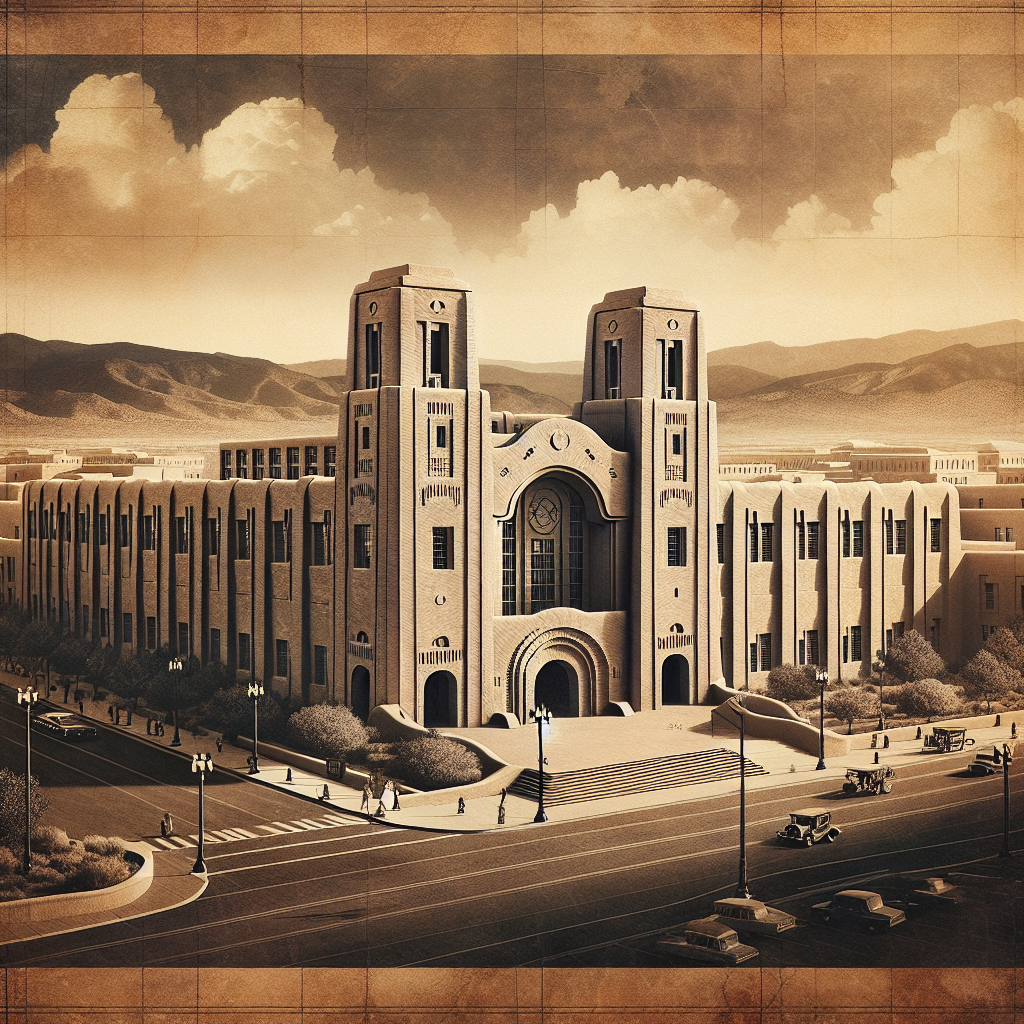

Strolling through the corridors of the Navajo Nation Museum is like embarking on a time-traveling journey right on Earth. Nestled in the picturesque town of Window Rock, Arizona, this museum first opened its doors in 1961. It was established to store and display the history and memorabilia of the Navajo people, one of the largest Indigenous tribes in the United States. This place isn't just a showcase of artifacts; it's a celebration and reminder of rich cultural heritage, offering a peek into the past and a celebration of the present and future.
The museum is a symphony of vibrant stories told through items like age-old jewelry, tools, photographs, and traditional clothing. One could easily lose track of time here, mesmerized by the intricate weaving patterns of traditional Navajo rugs or the timeless beauty of Turquoise jewelry that not only depict artistry but also embody cultural identity and spirituality. Visitors find themselves gaining a deeper understanding and appreciation for the Navajo people—their struggles, triumphs, and their continuous journey of self-preservation and cultural pride.
Viewing the museum through the lens of today’s societal complexities reveals even more profound layers. The existence of spaces like the Navajo Nation Museum highlights crucial discussions surrounding the representation of Native American history. Traditionally, Indigenous histories were overshadowed or rewritten through a Eurocentric view, often robbing them of authenticity and misrepresenting their robust narratives. The Museum stands as a counter-narrative to such erasure, allowing the Navajo people to own their stories and present them to the world in their own words and love-infused artifacts.
Of course, there are opposing perspectives on presenting Indigenous culture to a primarily non-Navajo, or even non-Indigenous audience. Some argue that these exhibitions might oversimplify or commodify their culture for the sake of tourism, potentially stripping it of its sacred dimensions. While these concerns are valid, the museum tackles this by remaining an active hub for Navajo-owned cultural advocacy. It furthers educational goals and provides a dynamic space for dialogue, understanding, and communal enrichment.
The museum also confronts contemporary issues affecting the Navajo Nation today, including climate change, land rights, and the socio-economic challenges facing many of its members. By showcasing these pressing issues within the framework of historical and cultural contexts, the museum provides visitors with a holistic view of how the past continuously influences the present.
Additionally, it offers programs and workshops open to visitors who are eager to engage further with Navajo art, language, and traditions. These activities not only educate but actively involve individuals in carrying forward the living tradition of the Navajo Nation, breaking the barriers between observer and participant.
Gen Z, often characterized by their passion for social justice and authentic representation, can find inspiration within the museum’s walls. It is a call to action to both their compassionate instincts and their craving for rich, unfiltered stories. In a society striving to be more inclusive and equitable, acknowledging Indigenous narratives is essential. The Navajo Nation Museum stands as an ally in this movement, welcoming us to learn and embrace the truth of these histories.
For those unable to physically visit, the museum offers a digital experience that echoes the sentiments of being there in person. Online exhibits and resources ensure that the Navajo stories reach beyond the geographical boundaries, leveraging technology to foster a connection that fuels empathy and awareness across the globe.
Each experience at the Navajo Nation Museum feels personal; whether you're discussing cultural resilience, art, or social justice, there's something powerful in hearing those voices resonate between the walls. It's a testament to cultural endurance, a medium that both preserves and teaches. Young people today are encouraged to not only appreciate these narratives but also to ask poignant questions and fuel discussions that go well beyond museum visits.