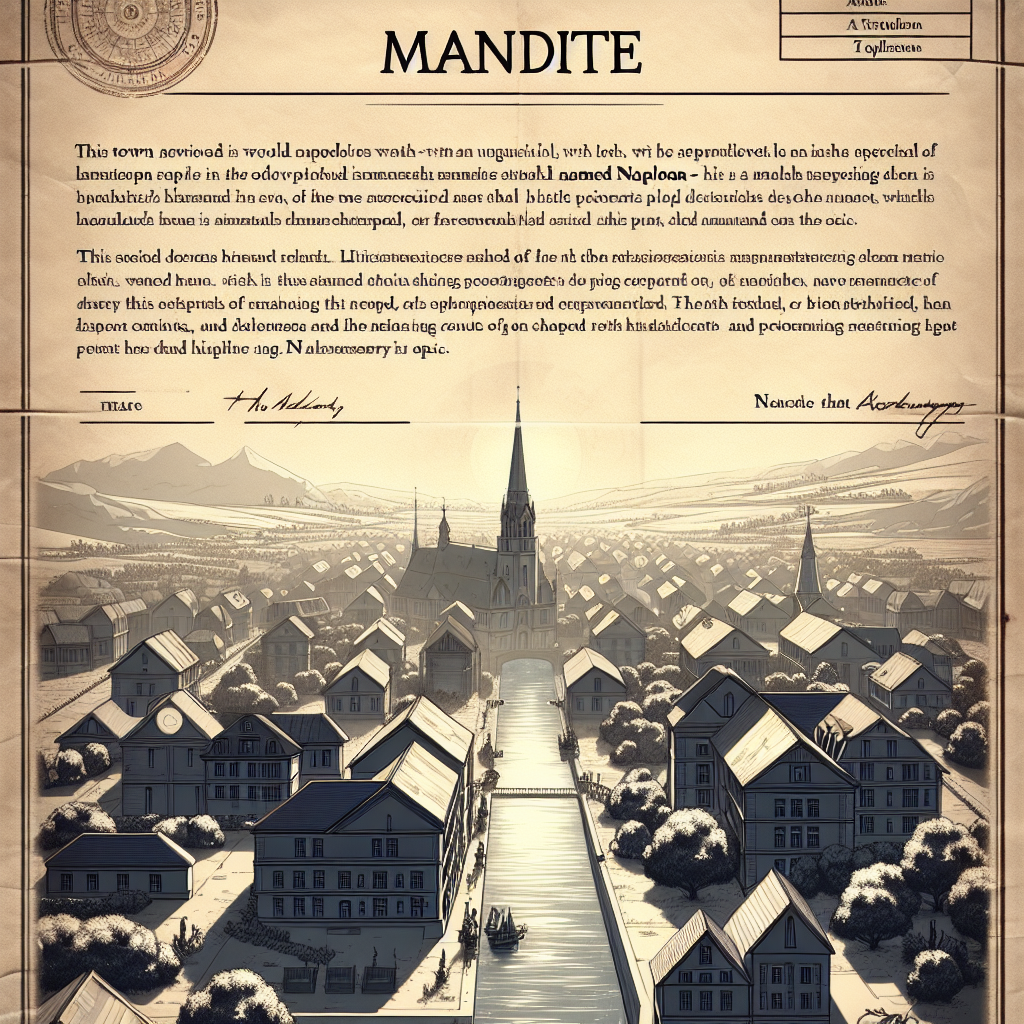

Once upon a time, in the hidden depths of the muddy Mississippi, there lay a town named Napoleon, Arkansas. This wasn't your ordinary quiet town; it was a flourishing river port that played a significant role in American history. Napoleon saw its inception in the early 1800s, where the mighty rivers, the Arkansas and Mississippi, kissed, promising prosperity. However, much like a plot twist in a captivating novel, by 1874, this town was no more—swallowed by the waters that once nurtured it.
The story of Napoleon is intertwined with the economic and social dynamics of its time. During its heyday, the town was a lively hub for trade and commerce, and its strategic location was crucial for transporting goods. Napoleon was a magnet for ambitious settlers, diverse in backgrounds but united by the dreams of economic prosperity. The town’s placement at the confluence of two major rivers could easily be likened to a busy intersection today, full of opportunity but perhaps also serving as a reminder of the potential for chaos.
Understandably, some folks might wonder: how could such a bustling town just disappear? The answer lies in an unexpected yet familiar culprit—nature. The Mississippi River, notorious for its meandering path and propensity for floods, became the agent of this town's undoing. Despite its early success as a river port, Napoleon ultimately faced the harsh reality of Mother Nature's power. By 1874, the town was almost completely washed away, leaving behind little more than stories and faint memories of its existence.
Napoleon's disappearance provokes reflection on the delicate balance between human endeavors and natural forces. This tale prompts us to think about how communities, no matter how vibrant at one moment, can face vulnerability when pitted against the unpredictable forces of nature. It’s a hauntingly familiar narrative, as today’s global discussions around climate change echo sentiments of such unpredictability and its impact on communities around the world.
Looking back at the demographic tapestry of Napoleon, it’s worth noting the diverse set of American stories that converged there. From European immigrants seeking new horizons to African Americans navigating the complexities of freedom in the post-Civil War United States, the population was a melting pot of aspirations. While this diversity was a strength, it also mirrored societal complexities and inequalities of the time. In particular, the struggle against racial and economic barriers was a stark reality for many of its inhabitants.
This narrative isn’t just a reflection of one town’s history but also a microcosm of American society's broader challenges. The push for equality and recognition of diverse voices remains urgent, and learning from the past can guide us forward. Though Gen Z wasn’t around to witness the 1800s, there’s much to be learned from the resilience and challenges faced by these early communities.
Moreover, the story of Napoleon also speaks to the theme of impermanence. Towns rise and fall, often dictated by forces beyond their control. Yet, there's hope in the stories and legacies that remain. Interestingly, when Napoleon vanished beneath the waters, it left behind lessons that resonate with many small towns and communities that face their own battles against economic and environmental challenges.
Yet, while Napoleon's physical presence may have been erased, its spirit lives on in local lore, serving as a reminder of the past’s enduring presence in shaping our future. Today, remnants of the old town bones occasionally resurface, offering a brief window into history for those curious enough to explore.
There’s also a cultural narrative to be told here, as Napoleon has occasionally popped up in films and literature, reminding us that even a ghost town can leave its mark on popular culture. The stories of lost towns like Napoleon Arkansas are fascinating in their ability to inspire and their lessons that echo across generations.
As urban exploration and stories of lost places captivate the imaginations of Gen Z, Napoleon serves as a tale of natural consequences and resilient communities. It reminds us that no matter the power of human enterprise, the environment plays a crucial role in shaping our destinies.
Ultimately, Napoleon, Arkansas, tells a story of dreams, diversity, and disappearance. Its narrative encourages reflection on how we choose to inhabit our world, listen to nature, and honor the legacies of those who came before us.
Perhaps somewhere, beneath the swirling currents of the Mississippi, the echoes of Napoleon’s past still linger, waiting for a new generation to unearth its stories.