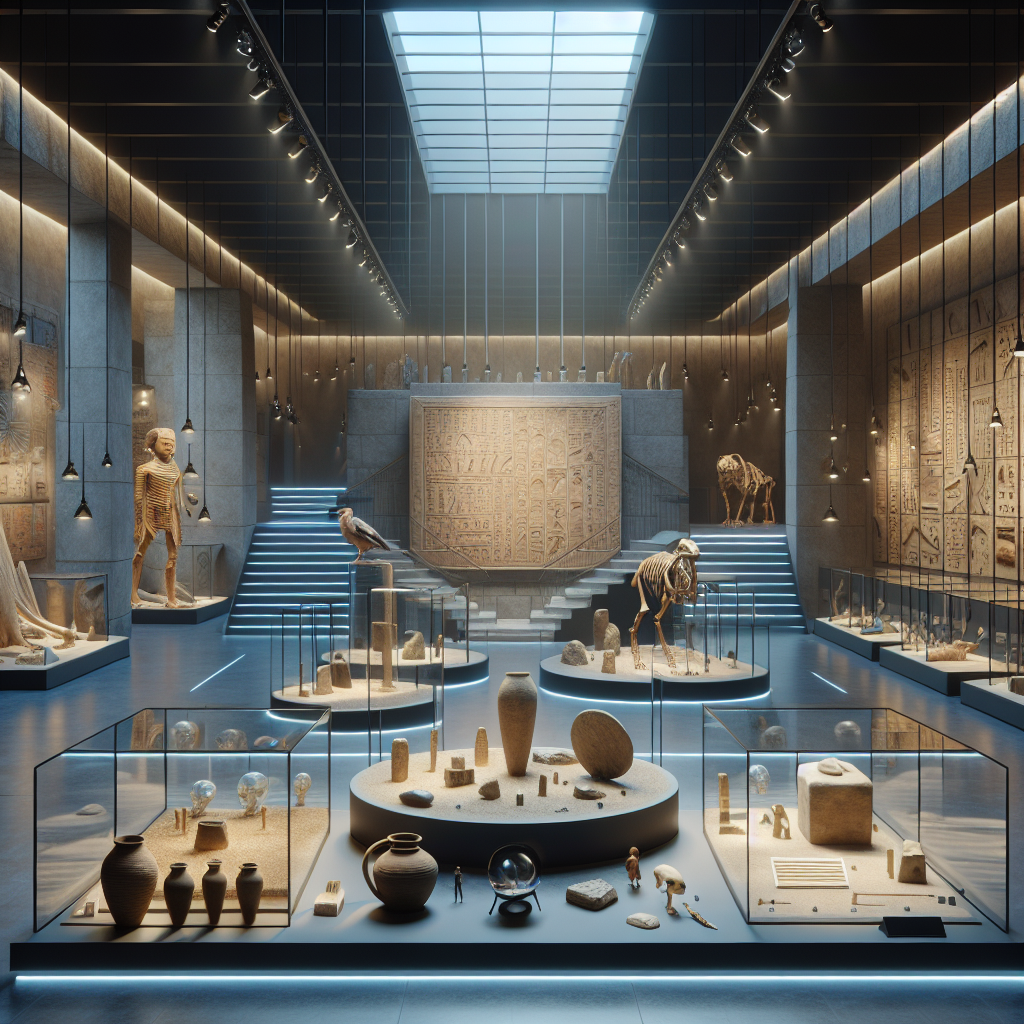

Imagine walking through time, where nature hugs the remnants of ancient cultures—this is what you get at the Museo de la Naturaleza y Arqueología, or MUNA, located in Santa Cruz de Tenerife, Canary Islands, Spain. Established in 1958, this museum isn't just a building full of old artifacts; it's a living dialogue between history and the natural world. Visiting MUNA isn't just about observing; it's about engaging with the stories of Tenerife's indigenous Guanche people and understanding the island's diverse ecosystems. Though some argue that museums focus too much on the past, MUNA bridges that gap by offering interactive exhibits, engaging young leads, and using modern technology like augmented reality that makes history come alive in the most unexpected ways.
Let's talk about the Guanche mummies—yes, mummies! For anyone who’s ever been fascinated by mummification processes, MUNA offers a peek into ancient Canary life with well-preserved mummies. The Guanches, Tenerife's original settlers, utilized natural techniques for mummification, a story that widens our understanding of global ancient practices. This presentation effortlessly ties together local history and wider anthropological truths. If preservation of cultural artifacts gets you interested, MUNA’s meticulous effort to maintain these relics could inspire a deeper conversation about the significance of cultural conservation and successful preservation practices. It's worth mentioning: not everyone is on board with displaying human remains, even if they’re centuries old. Respect for cultural sensitivities and human dignity often come into play, and it's important to be mindful of what these displays mean to descendants of the people represented.
Beyond the cultural artifacts, MUNA is a treasure trove of natural wonders. With the help of modern technology, the museum lets you explore the unique sub-tropical ecosystems of Tenerife. It showcases the island’s flora and fauna, illustrating how volcanic activity shaped its landscapes. Some exhibits are like a love letter to the natural world, emphasizing the importance of environmental preservation. Who would've thought a walk through a museum could take you on such an adventurous ride? Yet there’s a debate here too. While older generations may find the traditional museum setting comforting, a next-gen audience often craves more interactive, Netflix-style learning. MUNA is unique in its ability to incorporate both styles, making history and nature accessible and engaging for a modern audience.
One can't ignore, however, the ongoing political discourse surrounding artifacts and their rightful ownership. With rising awareness, there’s often an underlying conversation about whether certain artifacts should be in European museums at all, given Spain's colonial history. MUNA works toward addressing these issues by collaborating with indigenous communities and focusing on ethically sourced exhibits. It's an approach that asks visitors to think critically about the origins of what they are viewing, inspiring a nuanced, and often necessary, dialogue about cultural heritage and authority.
Visiting a museum like MUNA isn't just about learning—it's about a feeling. It’s about stepping into a space that values curiosity over consumption, and enigma more than entertainment. Santa Cruz de Tenerife itself becomes an extension of this museum. The vibrant streets, beachy breezes, and volcanic vistas frame your entire experience. And after soaking in MUNA's captivating world, you might find yourself wandering down one of those streets, thoughts orbiting around how we relate to our natural and cultural environments in real time.
For the Gen Z crowd, MUNA is a burst of learning potential. If you’re someone who questions everything and likes to connect the dots between past, present, and future, then this museum does just that. Whether you're a history buff, a nature enthusiast, or just someone looking for an exciting, intellectually stimulating day out, MUNA speaks to all those interests. Through interactive experiences, it creates a tangible impact, leaving visitors with a sense of responsibility and curiosity.
In essence, MUNA isn't just a storehouse for artifacts and specimens—it's a cultural pulse point that invites everyone to reimagine the way we view history and nature. Museums like MUNA propel us forward. They teach us to look beyond labels, challenge assumptions, and appreciate the world in vibrant shades. And sometimes, that experience begins just by walking through their doors.