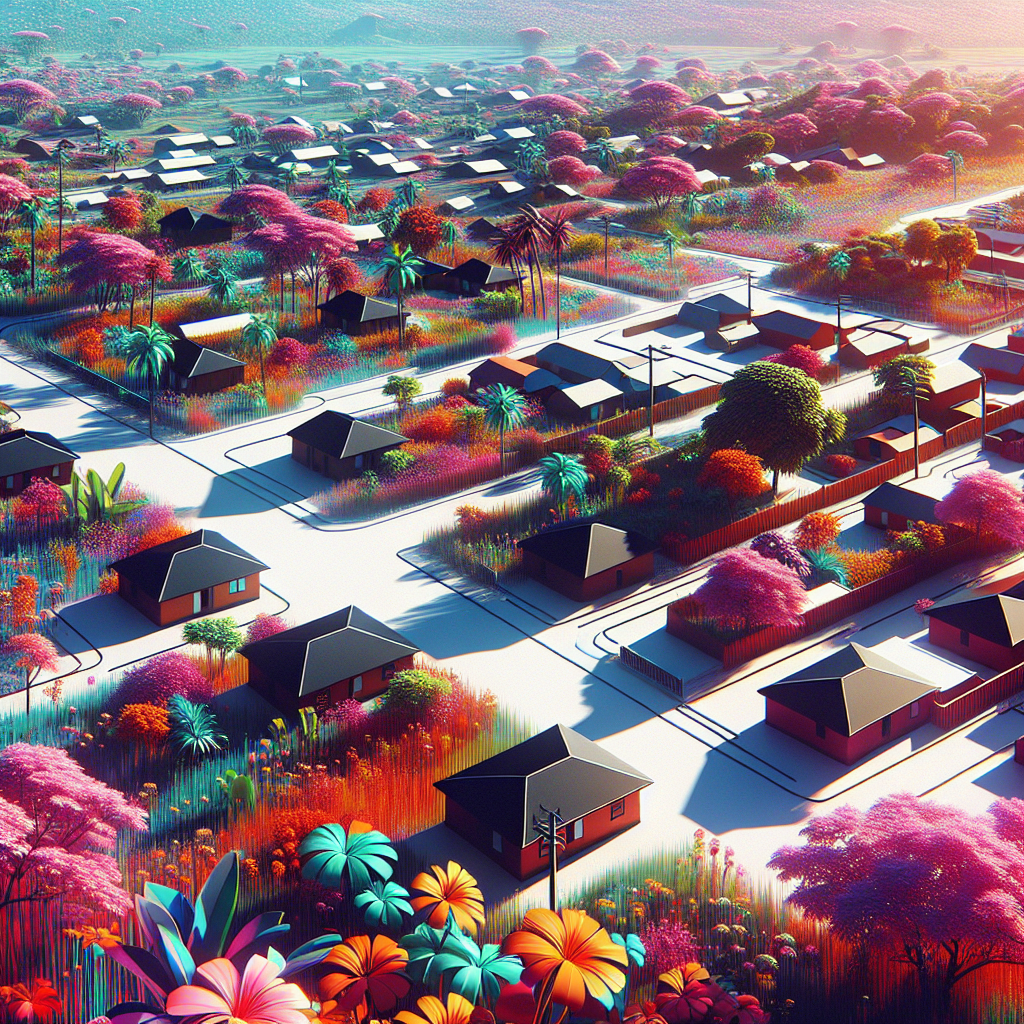

Nestled within the vibrant tapestry of Zambia, Mumbwa District stands as a captivating fusion of cultural history and natural marvels. It's one of those places where the tales of yesterday mingle with the whispers of the untamed wild. Located about 140 kilometers west of the capital, Lusaka, this district is a gem waiting to be discovered by the curious and the adventurous. Mumbwa beckons you with the call of its historical significance, ever-present in its heritage sites and the vibrant lives of its people today.
Let's dive straight into the heart of Mumbwa's allure. The district is home to some of the oldest archeological sites, revealing the area's role in early human civilization. These ancient remnants are a reminder that this land has cradled humanity for thousands of years. Mumbwa Caves, for example, offers windows to the past with artifacts that date back to the Stone Age. These findings give us a glimpse into the lives of our ancestors, inviting us to ponder how the past has shaped the present.
But history is only part of the story. Shift your eyes to the landscape, and Mumbwa shows off its wild side. The district is a gateway to the Kafue National Park, one of Africa's largest wildlife sanctuaries. Covering an area larger than some countries, the park teems with a wide array of flora and fauna. From the majestic elephants and the stealthy leopards to the vibrant bird species, Kafue is a living testament to nature's grandeur. The park serves as a playground for both seasoned wildlife enthusiasts and those new to the scene, offering an opportunity to witness nature's drama unfold at every corner.
People often say that to understand a region, one must understand its people. The locals of Mumbwa are kind-hearted and resilient, reflecting the district's rich cultural diversity. The primary ethnic groups include the Ila and Kaonde people, each with unique traditions and ways of life. Local markets are vibrant with the hustle and bustle of everyday transactions, where you can find anything from traditional crafts to local delicacies.
Education in Mumbwa is a growing sector, as the district makes strides in improving access and quality. Schools are increasingly being built, and community initiatives are active in assisting young minds to prosper. However, challenges persist, as rural areas often face underfunding and limited resources. These educational barriers are an area that requires more attention and investment, highlighting an opportunity for development and cooperation for educational equality.
Mumbwa also grapples with balancing economic growth with environmental preservation. Agriculture dominates the local economy, with the agriculture sector being the main livelihood for many residents. While this provides sustenance and income, it can lead to soil degradation and deforestation if not managed sustainably. Efforts to introduce sustainable farming practices are essential and ongoing, as they reconcile the need for productivity with the health of the environment.
Among these complex threads, it's heartening to see grassroots organizations and local councils working toward sustainable solutions. Empowering local voices and fostering a sense of community have proven effective in addressing some of these challenges. As the district moves forward, advocating for inclusive development that respects both the environment and the cultural heritage remains a priority.
While Mumbwa might not be the first pick for many travelers, those who venture here find themselves captivated. It's a whir of authentic experiences, where you can wander through history, marvel at wildlife, and engage with a community that's as welcoming as it is diverse. Plus, there’s a slight rebellious streak—this district doesn’t necessarily cater to your postcard fantasies but offers the raw and real.
Observing popular perceptions, some might argue that Mumbwa’s development still lags, marking it as a less desirable destination. True, it might not have the polished gloss of well-trodden tourist spots, but there's an intrinsic value in its authenticity. The imperfections, the ongoing narratives of development, and the resilience in the face of adversity are precisely what make Mumbwa intriguing. It's a district that evolves while remaining rooted in its past and mindful of its future.
As we explore beyond the typical tourist map, places like Mumbwa remind us of the world's vastness and diversity. They offer unique contexts and discussions, from historical significance to modern-day challenges and triumphs. While the road less traveled is often bumpy, the stories and lessons learned along the way make every step worthwhile.