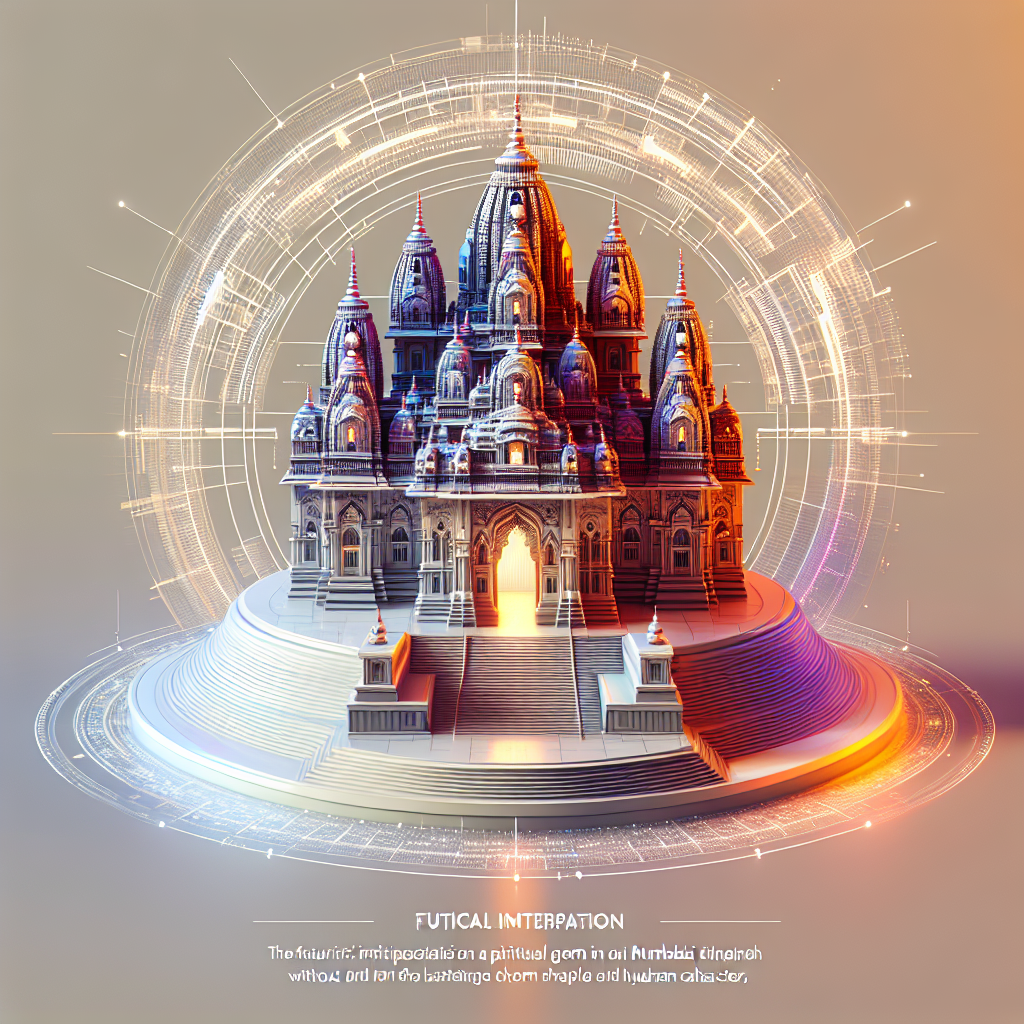

The Mumba Devi Temple, an emblem of devotion and culture, stands as an ancient structure at the heart of bustling Mumbai. Named after the patron goddess of the city, Mumba, this temple represents both history and legend, pulling thousands of visitors and worshippers through its sacred doors every year. Located in the Bhuleshwar area, its origins date back to the 14th century, when it was originally built, although some legends trace it back to at least 600 years before that. This revered temple doesn't just stir the faith of its devotees; it also ties them to the rich past of Mumbai, formerly known as 'Bombay.' Understanding why this temple holds such significance requires one to not only observe its architectural beauty but also appreciate the underlying essence of the city's multifaceted religious landscape.
Mumba Devi is believed to be an incarnation of Goddess Parvati, conjured to defeat the demon Mumbarka, who plagued both gods and humans alike. After the demon's defeat, the city was named in her honor, a testament to her lasting legacy. Unlike grand, opulent shrines, the temple's charm lies in its simplicity—reflective of its origins and dedicated patrons. Inside, the idol of the goddess is depicted without a mouth, a unique trait symbolizing Mumba Devi's silent yet watchful nature over her city. Though not visually grandiose, the ambiance envelops visitors in a sense of peace, echoing the divine presence that's felt rather than seen.
For centuries, pilgrims have traveled to seek blessings, irrespective of their background. This temple transcends social barriers, welcoming all into a shared experience of Mumbai's cultural ethos. Stories passed down through generations tie every nook and cranny of the temple to instances of divine intervention and miraculous happenings, making it a treasure trove for those fascinated by folklore. Despite advancing urban development, it remains a symbol of resilience, retaining its sanctity amidst skyscrapers and neon signs.
However, like many religious sites, Mumba Devi Temple’s place within the city is not without its tensions. Critics often point to the commercialization surrounding the sacred ground, where shops and vendors sometimes overshadow the spiritual atmosphere. This commercialization may stoke debates about preserving heritage in the face of modernity. While some argue that such economic activities bring life to surrounding communities, ensuring livelihoods, others express concern about the sanctity being compromised.
Yet, to focus solely on the modern encroachments is to undersell the harmonious spirit of accommodation that marks city life in Mumbai. It sparks discussions on how tradition and progress can coexist while respecting the delicate strands of cultural narratives that hold communities together. For many young visitors, witnessing this balance becomes a stepping stone in understanding the complexities of blending heritage with progress.
An empathetic look at the temple's critics reveals valid concerns about infrastructural neglect and lack of adequate preservation efforts. Supporting sustainable tourism and better care for heritage sites is crucial for temples like Mumba Devi to not just survive but thrive in preserving their cultural significance. Younger generations, inheriting this rich past, play an essential role in advocating for these causes, hoping to see improvements made that protect such historic emblems.
Visiting Mumba Devi Temple also compels a deeper reflection on one’s own role in appreciating and respecting cultural landmarks. It's an opportunity to immerse oneself in a setting that, while remote from daily digital experiences, offers timeless lessons of humility and community. As bridges between the past and future, such spaces encourage a continuation of these narratives, leaving a lasting impression.
The Mumba Devi Temple symbolizes more than mere history; it’s a narrative woven through the lives of those who inhabit and visit the city. It stands as a beacon of cultural identity, a reminder of stories that persist despite the tides of change. For Gen Z and others alike, it represents continuity—keeping the past alive while anchoring the present and future in respect and understanding.