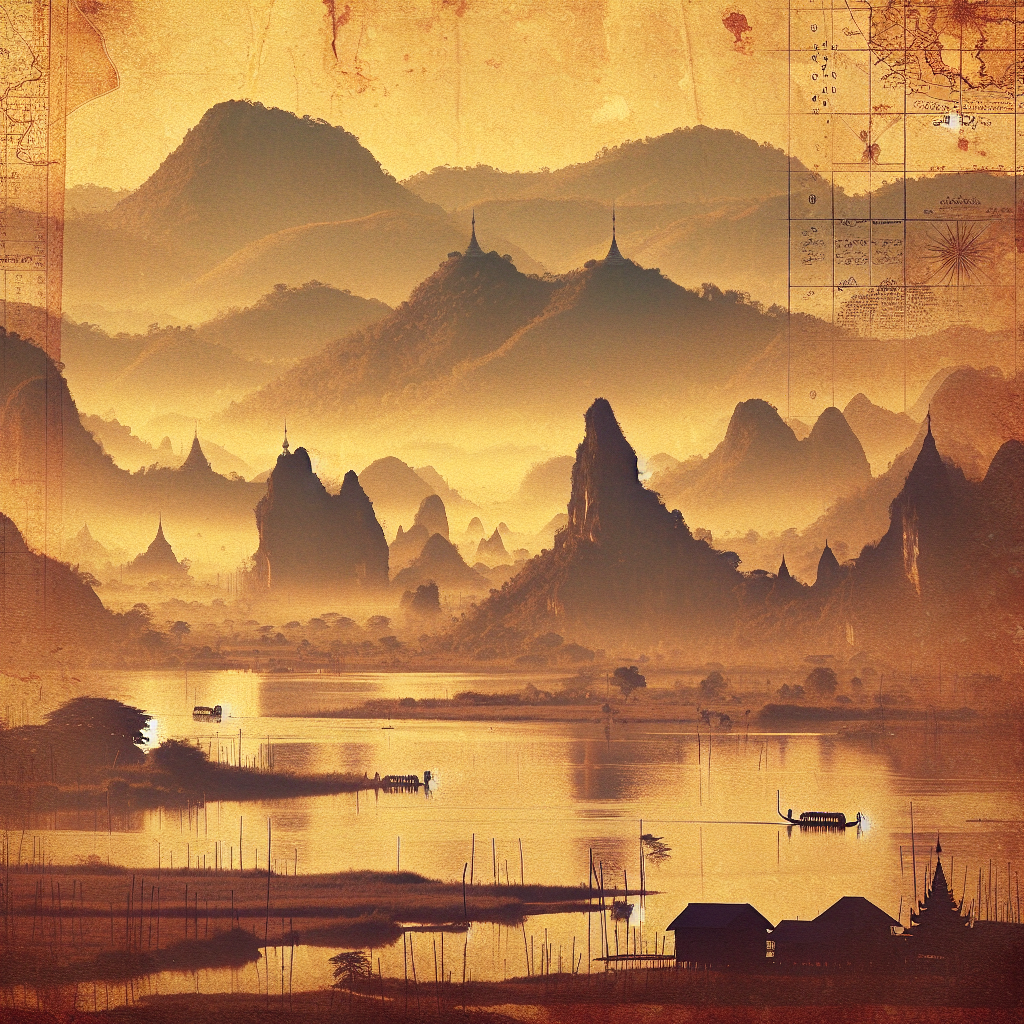

Imagine a world where the horizon cradles tales from ancient kingdoms and quiet whispers from mystic lands. That's what the Mrauk-U District in Myanmar embodies—a region where history is alive, weaving stories unequaled elsewhere. Nestled in the Rakhine State, this area once boasted a thriving capital rich with both Burmese and regional influence. The Mrauk-U Kingdom was illustrious from the 15th century, playing a pivotal role in politics, culture, and economics until its decline in the 18th century. But why do we, spanning generations and countries, still care about this place?
Mrauk-U is more than just the remnant of a past empire. It is a living testament to community resilience and a vast network of cultural significance. From its grand temples and stupas, emblematic of Burmese and South Asian architectural fusion, to the ethnic diversity reflected in the faces and stories of its inhabitants, Mrauk-U offers endless lessons on coexistence and shared history. For travelers, students, and anyone curious about human societies, Mrauk-U stands as a reminder of how past accomplishments shape contemporary identities.
Contemporary Mrauk-U is relatively small and veiled in an air of tranquility, yet bustling with the life of local markets and the movement of villagers who have lived there for generations. Many people within the district are of Rakhine ethnicity, though the region also embraces ethnic diversity, like the Mro and other groups. Such a mosaic reflects the district’s historical exchanges and complex lineage. When you walk amongst its temples, particularly in the early light of dawn, you can almost feel the blend of histories coming alive.
In today’s world of relentless development, Mrauk-U faces an existential hurdle—balancing the preservation of its rich history with the demands of modernity. Efforts are ongoing to secure Mrauk-U’s recognition as a UNESCO World Heritage site, a potential game-changer that could boost tourism and economy while ensuring the protection of its sites. Yet, there's an opposing view that questions the balance between inviting global attention and maintaining the sanctity and authenticity of what remains a spiritual and culturally significant hub.
The quest for development poses an intriguing gamble. Who gets to decide what development looks like in Mrauk-U? The government's approach is a critical variable, as is the involvement of local communities who have coexisted with these ancient ruins for so long. For some, the idea of globalization piercing into Mrauk-U's gentle landscape feels like a double-edged sword, bringing benefits but also altering the quietly cherished rhythms of life.
Another nuance to consider is the environmental impact. While increasing tourism might ostensibly appear like a boon, it poses sustainability challenges. Increased foot traffic requires improved infrastructure, risk management against inevitable wear and tear, and eco-conscious plans that don't harm natural resources. It's a classic case of treading carefully to not disrupt the delicate ecosystems, both cultural and natural, that inhabit Mrauk-U.
While meditation on digital and fast-paced living dominates conversations on social media, stepping into Mrauk-U seems like an invitation to disconnect. The natural landscapes surrounding the district are inviting for those who want a temporary pause from their screens to inhale history and the timelessness of human achievement. It's akin to a silent conversation that unfolds as you explore the architectural marvels and understand the symbolism etched into the structures.
But, strikingly, the messages of Mrauk-U go beyond stone and structure. Just as the remnants of its kingdom tell us of its glorious past, the people of Mrauk-U today tell stories of endurance and cultural continuity. They educate the world about how communities uphold traditions while welcoming changes necessary for growth. This balance, this negotiation with time and progress, feels relevant as we, individually and collectively, confront our own challenges in a rapidly altering world.
In light of these challenges and hopes, we learn something else from Mrauk-U: the powerful sparkle of human spirit and creativity across time and boundaries. By enriching our worldview with Mrauk-U's lessons, perhaps we can find our own way of blending traditions while navigating the future. A conversation that endures, evolving from the ancient rock sculptures to organic tales shared over cups of tea.