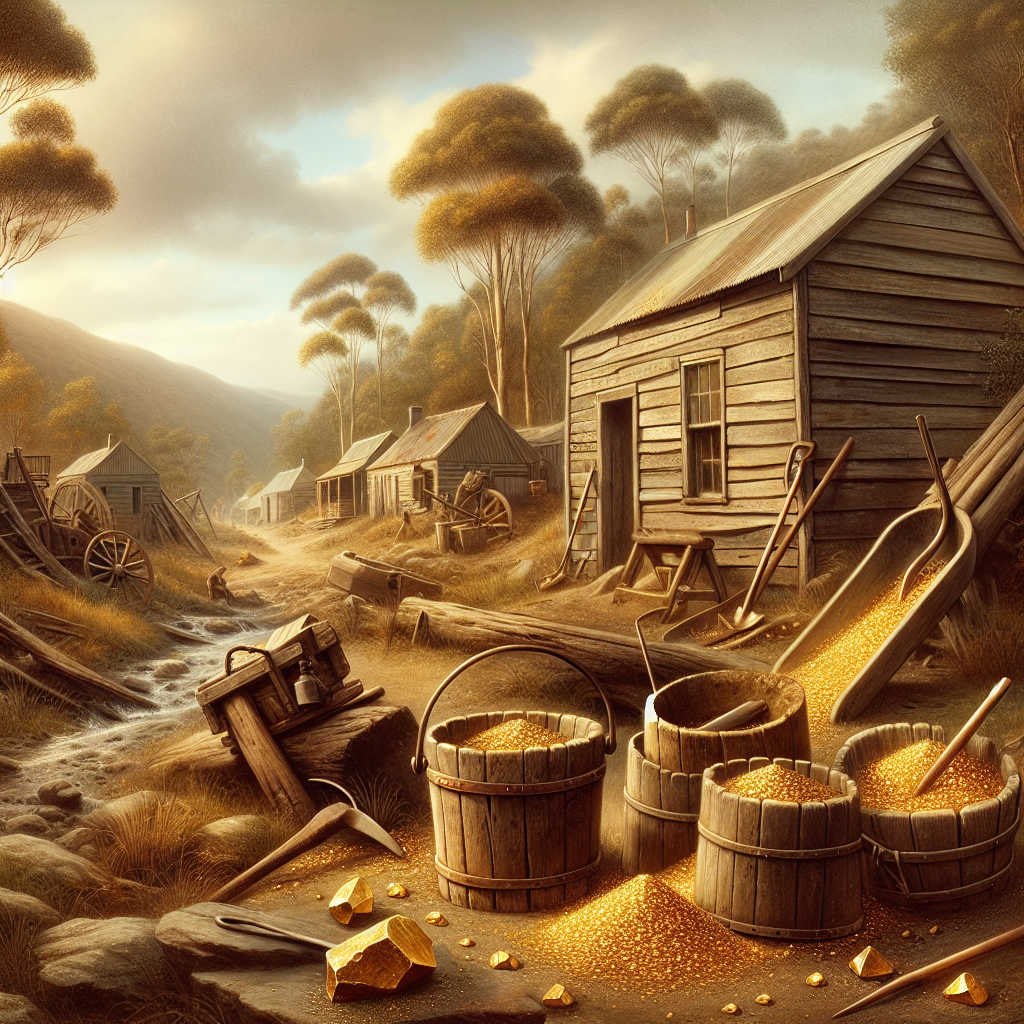

Imagine stumbling upon a hidden relic of history, where ghosts of the past whisper tales of fortune, ambition, and abandonment. Welcome to Maytown, Queensland—a town that once bustled with gold seekers and now stands silent but not forgotten. Nestled in the promise-rich landscape of northern Queensland, Maytown’s narrative begins in the 1870s when gold was discovered at the Palmer River, sparking one of the great gold rushes in Australian history.
The gold rush era in Queensland drew in thousands of hopeful prospectors, primarily from the neighboring states and even from far-off continents, such as Asia. This wave of migration shaped not just the economic landscape but also the social fabric of the region. Maytown emerged as the administrative and commercial hub of the Palmer River Goldfields, where the sounds of hammers and the chatter of miners filled the air.
At its peak, Maytown had everything a thriving town needs: banks, hotels, stores, and even a courthouse. It boasted amenities like the Maytown Hotel, where deals were made over beer, and the town's Post and Telegraph Office, a communication lifeline in the isolation of the Queensland bush. However, as with many boom towns, the prosperity was short-lived. By the late 1890s, the gold had run thin, and the once-bustling streets of Maytown began to empty.
Today, walking through Maytown feels like stepping onto the set of an old Western movie. Dilapidated structures stand stubbornly against time, refusing to fade into obscurity. The town's ruins tell a poignant story of boom and bust, a narrative many Millennials and Gen Z can relate to given today’s economic uncertainties. The resilience and downfall of Maytown serve as a poignant reminder of how economic tides can shape communities in profound ways.
It’s not just the economic aspect that makes Maytown’s history relevant and intriguing. The multicultural explosion during its golden years brought challenges and conflicts that are significant even now. Chinese immigrants played a crucial role in the area's development, bringing skills, labor, and culture. However, much like today, waves of immigration were met with both acceptance and resistance, shaping a societal dynamic that resonates with current conversations about immigration and community integration.
There's an eerie beauty to the town's solitude, offering a unique travel experience for those adventurous enough to explore it. Although Maytown sits off the beaten path, its ruins serve as an open-air museum of Australian heritage. It’s a destination where history buffs and Instagram enthusiasts alike can capture the haunting beauty of a bygone era.
Understandably, there are debates about how to handle such forgotten places. Some argue for preservation, ensuring that history is maintained for future generations. On the other hand, some see it as an opportunity to let nature reclaim its own, allowing these ghost towns to disintegrate back into the Earth. Both viewpoints are valid and echo the broader discussion about preservation of history versus progress.
The Queensland Government has taken measures to protect Maytown as part of the broader Palmer Goldfield Resources Reserve, recognizing the site's historical significance. Still, visitors are encouraged to tread lightly, respecting both the remnants of the town and the natural landscape that surrounds it. Adventure seekers should prepare well, as the journey to this ghost town is not for the faint-hearted. Accessibility is limited, the terrain is rugged, and the region's remoteness requires thorough preparation and respect for the natural environment.
Maytown is more than just a collection of weathered buildings and forgotten dreams. It's a testament to human tenacity and the relentless pursuit of prosperity. Whether you’re an intrepid traveler, a history enthusiast, or someone simply seeking a deeper connection to the past, Maytown offers a unique lens through which to view the peaks and pitfalls of ambition. It stands as a symbol of adventure, hope, and the stark reality that not all ventures lead to fortune.
In the end, Maytown is a ghostly echo of an era defined by risk and reward, symbolic of both the best and worst of human ambition. It invites us to ponder the lessons of the past and inspires curiosity about the narratives that shape our world today.