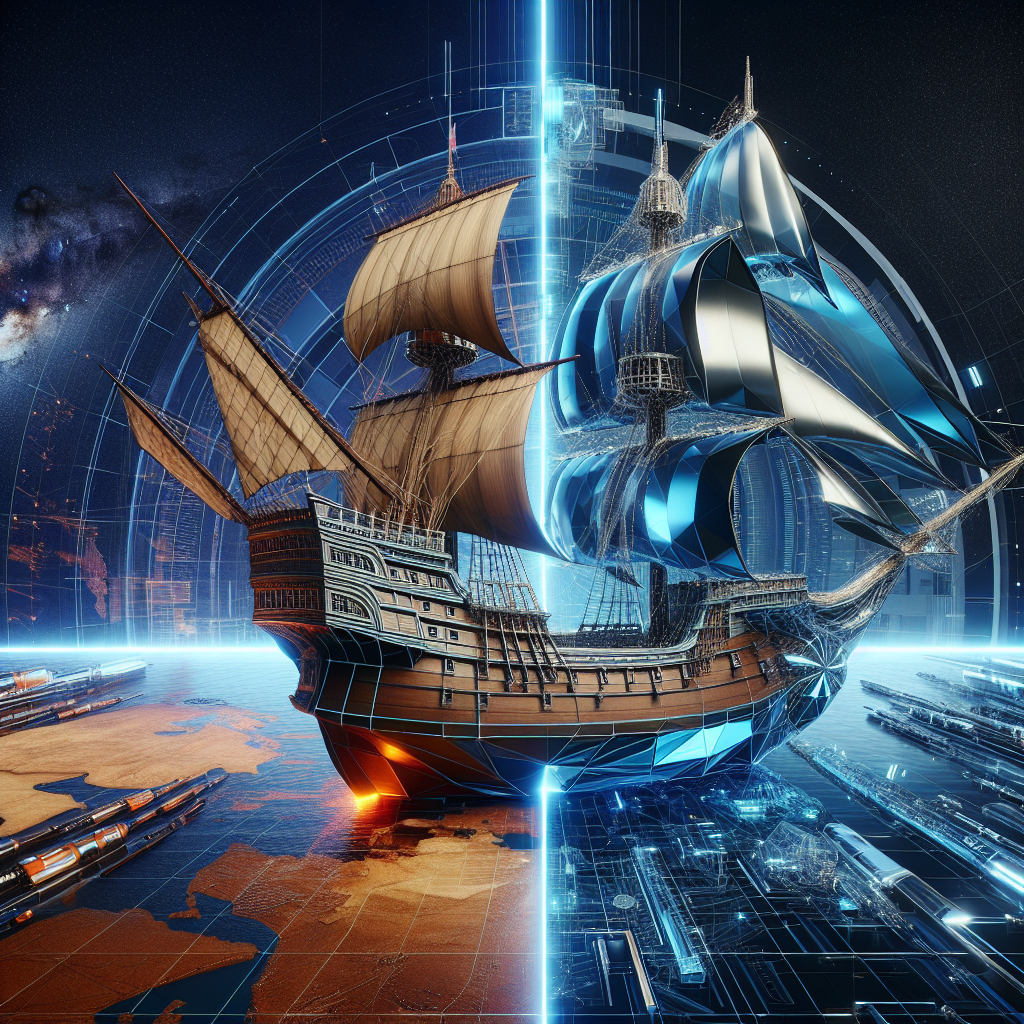

Imagine setting sail on a wooden ship, a replica of one that failed to make the original cut, and crossing the Atlantic. That's Mayflower II for you. This replica of the historic Mayflower launched in 1957 and stands as a floating symbol of history and heritage. Built in Brixham, England, this stunning vessel journeyed to the United States, docking at Plymouth, Massachusetts. It was resurrected from sketches of the original Mayflower, known for bringing Pilgrims to America in 1620. But does a replica truly carry the weight of history, or is it merely a tribute to nostalgia?
Mayflower II's tale began in post-war Britain, an idea sparked to commemorate the shared history between the United Kingdom and the United States. This initiative aimed to strengthen transatlantic relations, sharing a narrative of hope and cooperation. Some argue it's a remarkable nod to our ancestors' resilience, while others might dismiss it as unnecessary nostalgia or a romanticization of colonial history.
Let's entertain the critics' skepticism for a moment. Celebrating a vessel representing colonization and the subsequent displacement of Indigenous people doesn't sit well with everyone. It's crucial to recognize this viewpoint and approach it with empathy. The tale of the Mayflower—and the settlers it carried—isn't just a story of bravery and discovery. It's also a story of conflict and loss for numerous Native tribes affected by European settlements. Understanding this dual narrative enriches our appreciation of history—both the triumphs and tragedies.
Returning to the Mayflower II, however, it represents an evolving dialogue between the past and present. When you step aboard, you're walking on decks that echo with stories not just of new beginnings but of exchanges—often fraught and complex—a shaping of worlds colliding. Today, this ship educates us about maritime history, navigation technology, and the historical consequences of colonialism.
Young generations could find Mayflower II fascinating not just as a distant historical relic but as a tangible link connecting them to broader conversations about migration and cultural integration. It asks us to reflect on themes of identity. Who gets to write history? Whose stories are prioritized?
In recent years, there's been significant investment in the restoration of Mayflower II, ensuring it remains an authentic educational tool. This decision was made with a focus on preserving maritime heritage, something every community, planet-wide, can benefit from. But this effort was not without controversy. We can't ignore the discomfort that spending massive funds on preservation might cause in communities struggling with more immediate socio-economic issues.
Such concerns remind us to balance commemoration with practicality—promoting history while addressing current societal needs. Yet, Mayflower II can still invite meaningful discussions. It's a physical reminder that propels us into discussions about history and identity from a fresh angle.
Cruising amid an ocean of critique and appreciation, the Mayflower II stands firm. It's a quiet testament to the complexities wrapped around our historical narrative. As we look at this ship bobbing gently in modern waters, we're reminded that history is not static. It's a canvas perpetually painted by the ripple of human actions and reactions.
For Gen Z, who often navigates through instantaneous digital gratification while envisioning an equitable future, Mayflower II offers a slow sail through time. By engaging with it, young minds confront slow histories—where understanding, dialogues, and reconciliations occur.
So, whether you see it as an emblem of hope or a relic of colonial times, Mayflower II is a constant invitation to embark on a dialogue with the past, creating space for all narratives. It beckons us to steer this world together, acknowledging each story that forms our collective journey.