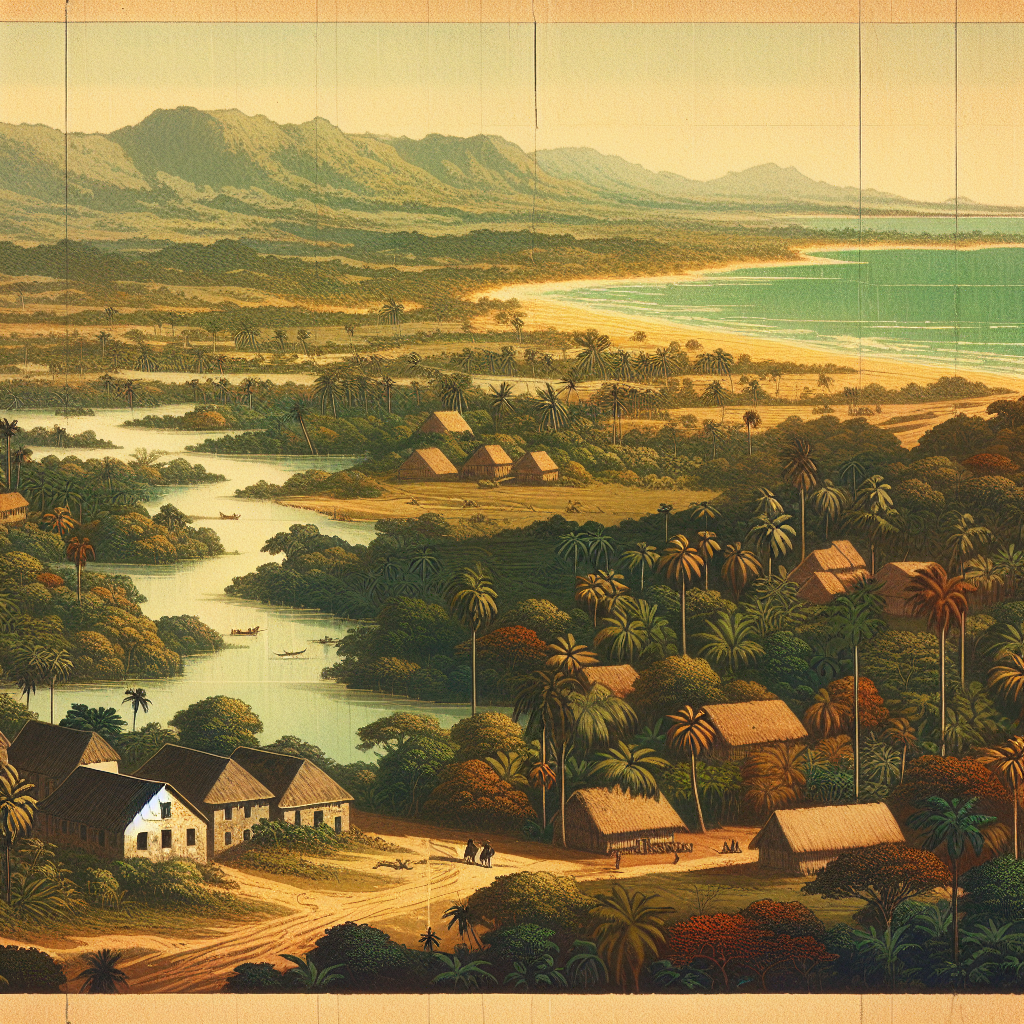

Nestled on the northeastern Atlantic coast of Guyana, the region of Mahaica-Berbice offers a landscape and lifestyle that could almost charm the seagulls out of the sky. Bordered by the Demerara-Mahaica and East Berbice-Corentyne regions, it is a vibrant blend of agriculture, heritage, and nature. Founded as a colonial settlement in the 18th century, today it's a bustling hub for rice and sugar production, serving as one of the nation's pivotal agricultural heartlands.
Mahaica-Berbice stands out due to its unique blend of natural and man-made attractions. Traveling through this region is like flipping through a rich cultural history book with each page more compelling than the last. Its wetlands and rivers teem with biodiversity that gets nature enthusiasts buzzing. The Mahaica River, for instance, is famous for the elusive hoatzin, Guyana's national bird, which captivates bird watchers from around the world.
Urban life here is relatively quiet but deeply rooted in tradition. The villages and towns host dynamic market spaces where vendors sell everything from freshly harvested plantains to handcrafted souvenirs. The friendly banter between shoppers and sellers radiates a warm, community-centered vibe. The Hindu temples often resonate with chants and the aroma of incense, reflecting the cultural diversity of its people, a rich blend of Indo-Guyanese, Afro-Guyanese, and indigenous heritage.
While Guyana itself has been gaining attention as a new frontier for oil exploration, Mahaica-Berbice remains tethered to its agrarian roots. The agriculture sector, particularly rice and sugar, serves as a vital employment provider. However, the politics of agriculture can be as divided as an unstacked deck of cards, drawing both criticism and admiration. On one hand, it is the backbone of local livelihoods, yet environmentalists worry about the sustainability practices and their impact on the lush biodiversity.
The region governance often sparks lively debates, blending local traditions with progressive policies. Efforts are in place to improve infrastructure, with better road networks and public services currently under development. Yet bureaucracy and funding hurdles often slow momentum, a source of both local frustration and heated discussions. While the younger generation pushes for modern amenities and digital connectivity, the elders insist on maintaining cultural roots and practices.
Mahaica-Berbice's cuisine is another delightful fusion, borrowing from its Indian, African, and indigenous influences. Pepperpot, a spicy meat stew, and curry dishes rule the roost. Street vendors setting up near marketplaces sell snacks dripping with coconut essence and satisfyingly sweet provisions.
One can’t talk about Mahaica-Berbice without acknowledging the incredible warmth and hospitality of its people. Their willingness to share stories about their land, life, and lineage opens a window to their world and offers lessons in kindness and community bonds hard to come by in fast-paced urban settings.
While some areas still remain off the typical tourist path due to lesser-known trails and limited infrastructure, eco-tourism has immense potential. Acknowledging these untapped parts of Mahaica-Berbice invites both conversation and controversy, as the race to preserve natural habitats and accommodate eco-conscious travelers continues. Concerns range from maintaining the integrity of indigenous ways of life to ensuring that wildlife remains unharmed by increased human activity.
An issue still sparking debate is the push-and-pull between development and tradition. While some favor eco-friendly, sustainable tourism practices to attract younger generations globally, others worry about losing the cultural essence that makes this region unique. Yet, in this delicate dance of growth and preservation, the community tends to find its rhythm.
As global awareness of environmental conservation improves, Mahaica-Berbice stands at a crossroads. It has the potential to command attention from green travelers seeking an immersive experience without the carbon footprint. Meanwhile, some fear those efforts could be sidelined by rapid modernization plans poised to expand agriculture and urbanization. The region sits on the edge of redefining its place in the 21st century.
The Mahaica-Berbice's dance between preserving its rich heritage and moving towards a brighter, interconnected future embodies the spirit of a world eager to embrace change while not entirely shedding its past self. Those who visit find themselves enchanted by its harmonious simplicity and feel bound to its landscapes in a way that texts and tweets often neglect.
Mahaica-Berbice may not make headlines frequently, but its story remains compelling. It is why those who journey there once will keep returning, finding solace in its quiet rivers and lively communities. It offers a window into a world that exists beyond the hashtags and viral moments, reminding us all that life's truest beauty often lies in the details.