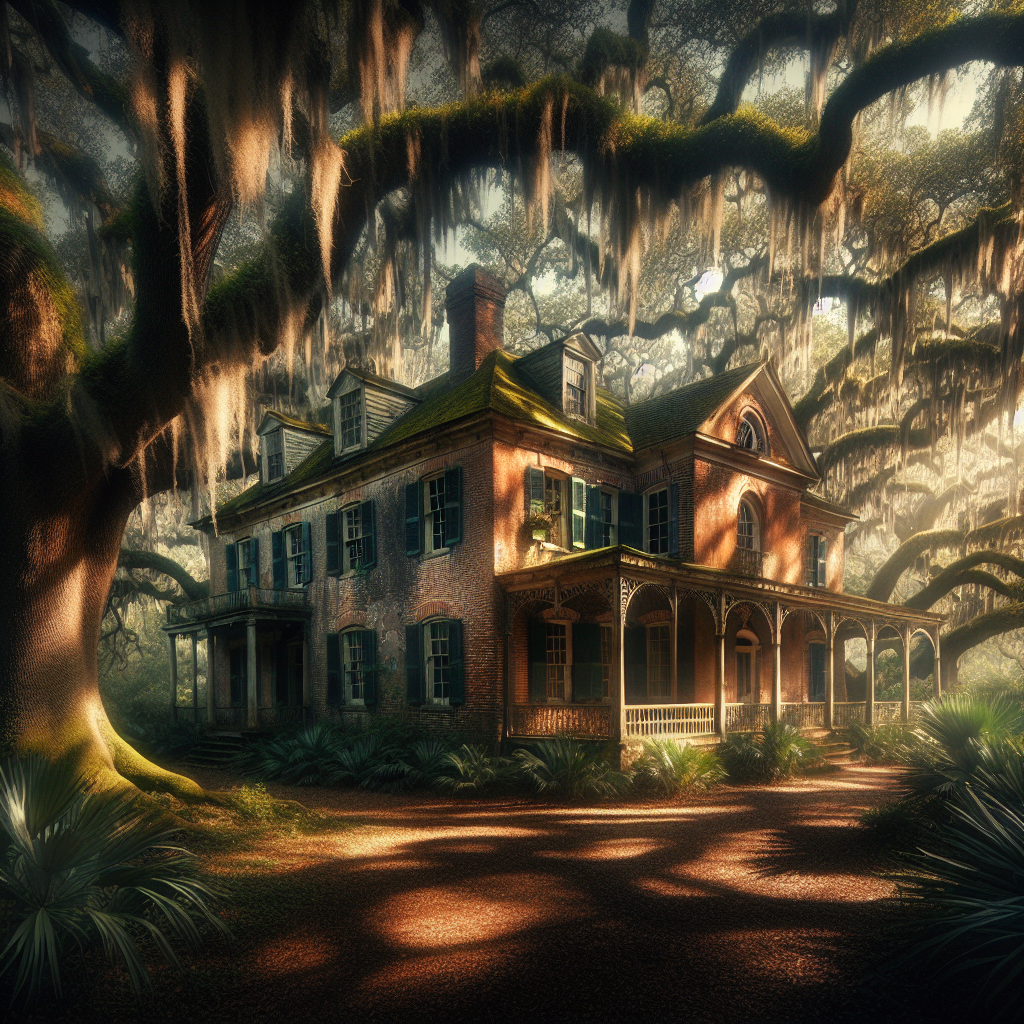

Hidden amidst the lush verdant landscape of Napoleonville, Louisiana, the Madewood Plantation House stands like a grand old storyteller still echoing tales of a turbulent past. Built in the mid-1800s by Colonel Thomas Pugh, this mansion is an emblem of Antebellum architecture — a striking symbol of the era's wealth, artistic expression, and deep-seated contradictions. However, behind its Greek Revival façades and opulent interiors lies an intricate tapestry of history, woven from the threads of beauty, prosperity, and profound injustice.
Since its inception in 1846, Madewood has weathered both the passage of time and the evolving landscape of American society. While it captivates visitors today with its elegance, Madewood also serves as a reminder of a period when plantations thrived on the back of slavery. As a site of tremendous historical significance, it poses poignant questions about how we reconcile the beauty of human craftsmanship with its origins in human exploitation.
The mansion’s striking architectural design was crafted by architect Henry Howard, who was esteemed in architectural circles of his time. With magnificent columns, expansive verandas, and intricate detailing, the Madewood Plantation was conceived to be not just a home, but a statement of affluence and culture. Colonel Pugh intended the plantation to be a self-sustaining entity, complete with extensive sugar cultivation areas to fuel both local and regional economies. It is important to reflect, though, on the labor dynamics that powered these ventures. Black enslaved individuals worked the land, creating wealth they would never benefit from.
Today’s society often debates how much of this past we should preserve and how we should represent it. Some argue that showcasing plantations like Madewood without critically engaging with their history risks romanticizing the Antebellum South. Others believe that with responsible storytelling, these sites can educate and foster dialogue around historical truths, acknowledging both the grandeur and the graver aspects of the past.
Visitors today will find that Madewood tries to strike a balance. The focus is increasingly shifting from solely celebrating the architectural beauty to also delving into narratives around slavery and the lives of those who were forced to exist on these lands. This incorporation of multiple perspectives is an attempt to meet the demands of a more socially conscious public, particularly reflecting the values of younger generations who demand authenticity and completeness in historical storytelling.
How we engage with historic spaces like Madewood is a question that our society, especially the younger people of Gen Z, grapples with continuously. It's a generational challenge to harness the potential of these spaces as educational and reflective resources. They hold the power not only to captivate the senses but to push us toward a better understanding of societal constructs, injustices, and the seeds of change sown long ago. Can we view these plantations as museums of human complexity, rather than simple relics of colonial prosperity?
There’s a dialogue we must have about whose stories are told when we walk through Madewood’s halls. We need to ask how inclusive these narratives really are. Are we honoring the memories and contributions of enslaved individuals as much as we admire the grandeur they helped create? Are their voices given equal urgency and respect through exhibits and educational content? Avoiding glazed-over interpretations helps prevent historical amnesia and nurtures an informed public discourse.
Visiting such places can be a mixed experience — one of awe but at times discomfort. These feelings are valid and necessary. They provoke us to question, learn, grow. Gen Z, with its emphasis on social justice and equality, might find these places somewhat challenging, yet profound in their ability to showcase the dichotomies in America's history. To step into Madewood is to step into a dialogue about race, privilege, and the enduring legacies of the past, asking how they will affect our shared future.
Madewood Plantation, while carrying the weight of its layered history, is actively part of ongoing efforts to widen cultural understanding. It embraces the need for historically accurate and ethical tours. Offering unique experiences such as guided tours emphasizing the lives of those enslaved individuals can foster empathy and knowledge.
Recognizing such points of view doesn't erase the beauty of Madewood’s physical architecture or its significance, but it situates such grandeur within a more comprehensive cultural narrative. As more plantations across the South adapt to similar changes, there’s optimism that we are moving toward a future wherein historical interpretation aligns more closely with diversity, truth, and responsibility.
The narrative around Madewood, therefore, is not static. It is a transformation process that reflects broader shifts in historical interpretation. It challenges each visitor, particularly the inquisitive minds of Gen Z, to question history's complexities and initiate meaningful change in their own spheres.
While Madewood Plantation stands ever picturesque as a physical anchor in Louisiana’s landscape, culturally, it’s a floating bridge between the past’s limitations and a future possibility of inclusivity, dialogue, and learning.