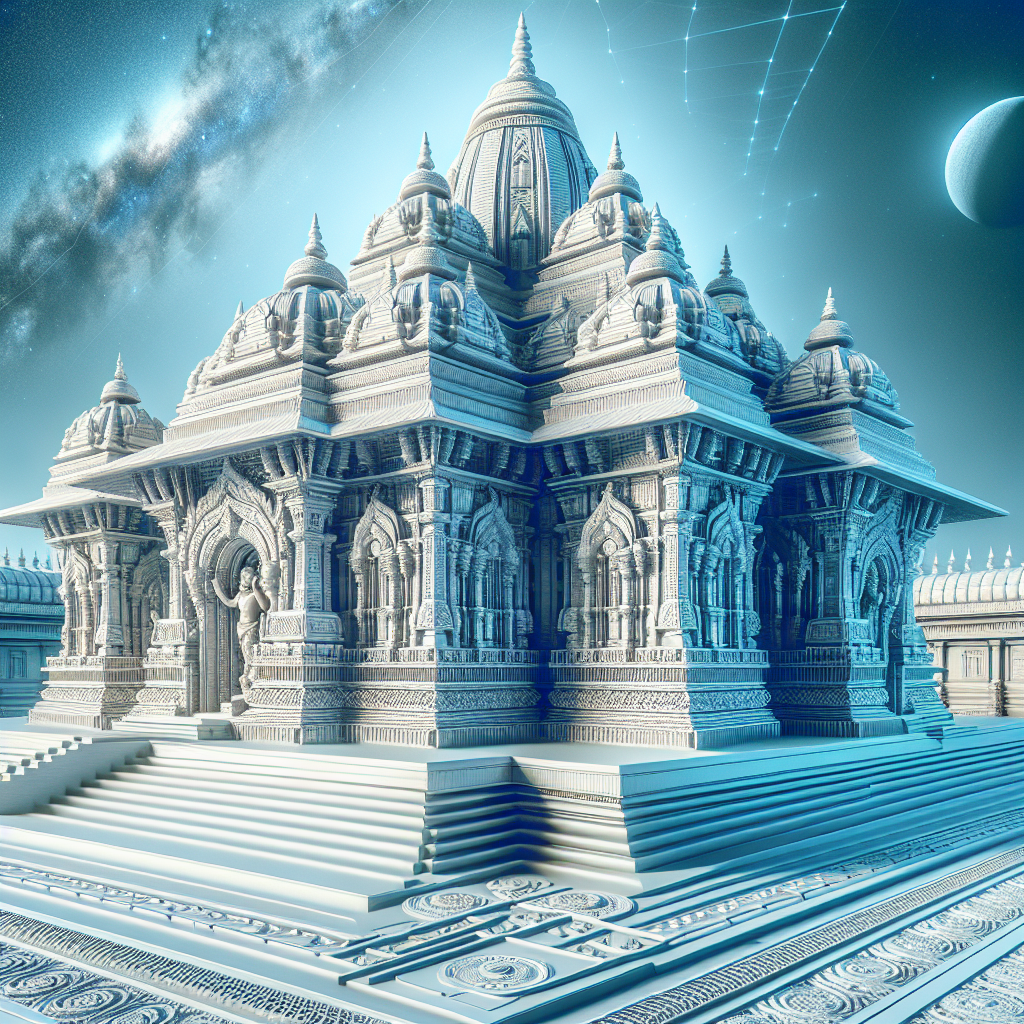

In the vibrant heart of West Bengal, where history and art collide, stands the Madan Mohan Temple of Bishnupur, a breathtaking testament to the architectural ingenuity of the past. Built in 1694 by the Malla King Durjan Singh, this temple narrates stories that stretch back centuries, embedded in every intricately carved laterite stone that forms its towering façade. Nestled in the small yet culturally rich town of Bishnupur, this temple is not just a place of worship; it is a medley of religion, art, and history that captures the imagination of anyone who walks through its portals.
As you wander through Bishnupur, a town with roots deep in the textile and terracotta traditions, the Madan Mohan Temple stands out. It is an example of the impressive use of the terracotta tiles that the region is famous for. The temple is dedicated to Lord Krishna, known here as Madan Mohan, and has been a spiritual hub for devotees ever since its creation. The design is distinctive of the 'Ek ratna' style, a kind of temple structure unique to this region, recognizable by its single tower, or shikhara, which gracefully rises above the sanctum.
A key facet that draws people to this temple is its very walls, which are adorned with elaborate terracotta panels. These panels narrate tales from the Mahabharata, the Ramayana, and the Puranas, making the temple not only a place of spiritual significance but also a gallery of ancient Indian art. This architectural storytelling is both breathtaking and illuminating, offering a visual escape into epic narratives that have shaped Indian culture over millennia.
For the politically minded, temples like Madan Mohan offer more than just art and history; they symbolize freedom of expression and the tradition of local craftsmanship that thrived even amid the politics of their times. During the era that it was built, Bishnupur's artists and craftsmen were encouraged and sponsored by the Malla kings, and this sponsorship allowed them to experiment and create enduring pieces of cultural value.
Critics of temple tourism argue that it reduces rich religious sites to mere checkboxes on tourist itineraries, robbing them of sacred value and profound significance. They worry about damage from foot traffic to these ancient sites and the commercialization of spiritual spaces. Advocates for responsible tourism emphasize the importance of maintaining a balance between tourist influx and preservation of the temple. There's a call for understanding the deeper context of what makes these places special beyond their photogenic facades.
Experiencing the Madan Mohan Temple in person is a revelation—it urges a contemplation of life's narratives much like the bricks recount epic sagas. This temple is an educational journey, offering an art history lesson about the region’s extraordinary past. What draws Gen Z to destinations like Bishnupur and the Madan Mohan Temple is the mystery of photography opportunities, yes, but also the urge to connect with tangible history and diverse cultures in real space, far beyond the classroom or screens.
Taking a trip to Bishnupur, you might think you'd be the only one curious about this ancient wonder. However, you’ll see that this site attracts visitors from all over seeking to learn, experience, and reflect. They are drawn by the potential for personal growth that comes from understanding the past’s intricate relationship with the present. Not only does the temple stand as a relic of history, but it also resonates with current discourses about cultural preservation, identity, and globalization.
The Madan Mohan Temple, with its exquisite carvings and grand shikhara, stands solid, stepping out of the shadows of time, reminding us that art and spirituality have always been intertwined in human history. It's a poignant pause from the whirlwind of contemporary life, offering a space where time seemingly stands still, where age-old traditions meet an ever-curious present. Here, you confront fragments of history in their most genuine and unadulterated forms.
For those who have never visited, Madan Mohan Temple offers a chance to witness history as it breathes, seamlessly encapsulated in craftsmanship and devotion. In a world constantly speeding forward, sometimes it’s enriching to press pause and look back. Therein lies the power of places like the Madan Mohan Temple; they connect us, across generations, to the enduring human spirit.