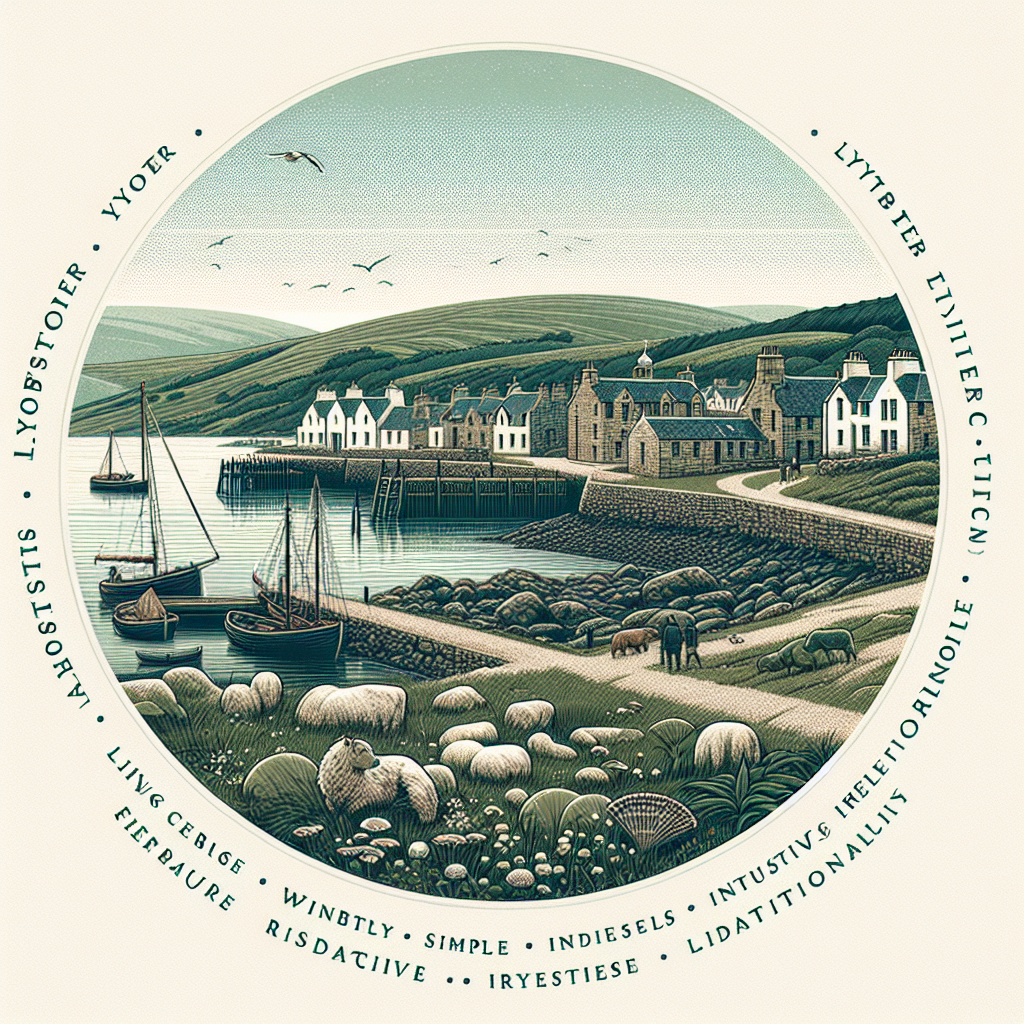

Lybster: A Quaint Scottish Village with a Rich History
Nestled on the northeastern coast of Scotland, Lybster is a charming village that seems to have leapt straight out of a storybook. Founded in the early 19th century, this picturesque settlement is located in the Highland council area, about 13 miles south of Wick. Lybster was once a bustling fishing port, particularly known for its herring industry, which thrived during the 1800s. Today, it offers a glimpse into Scotland's maritime past while serving as a peaceful retreat for those seeking to escape the hustle and bustle of modern life.
Lybster's history is deeply intertwined with the sea. The village was developed by General Patrick Sinclair, who envisioned it as a major fishing hub. At its peak, Lybster was one of the busiest herring ports in Scotland, with hundreds of boats lining its harbor. The herring industry brought prosperity and growth, shaping the village's identity and economy. However, like many other fishing communities, Lybster faced challenges as the industry declined in the 20th century, leading to a shift in its economic focus.
Today, Lybster is a quiet village that attracts visitors with its scenic beauty and historical charm. The harbor, once teeming with fishing boats, now serves as a reminder of the village's vibrant past. Visitors can explore the Lybster Heritage Centre, which offers insights into the village's history and the lives of its residents. The center showcases artifacts, photographs, and stories that paint a vivid picture of Lybster's maritime heritage.
The village's location makes it an ideal spot for nature enthusiasts. The surrounding landscape is characterized by rugged cliffs, rolling hills, and stunning coastal views. Outdoor activities such as hiking, birdwatching, and fishing are popular among locals and tourists alike. The nearby Grey Cairns of Camster, a group of Neolithic chambered cairns, offer a fascinating glimpse into ancient history and are a must-visit for history buffs.
While Lybster's economy is no longer driven by the fishing industry, the village has adapted by embracing tourism and local craftsmanship. Small businesses, including cafes, shops, and art galleries, contribute to the local economy and provide visitors with a taste of Scottish culture. The community is known for its warm hospitality, making it a welcoming destination for travelers from around the world.
Despite its small size, Lybster has a strong sense of community. Residents take pride in their village's heritage and work together to preserve its unique character. Events and festivals, such as the annual Lybster Gala, bring people together and celebrate the village's rich cultural traditions. These gatherings foster a sense of belonging and ensure that Lybster's history is passed down to future generations.
While some may argue that Lybster's remote location limits its potential for growth, others see it as an opportunity to maintain its charm and authenticity. The village's commitment to preserving its heritage while adapting to modern challenges is a testament to its resilience. Lybster serves as a reminder of the importance of community, history, and the natural environment in shaping our identities and experiences.
Lybster may not be a bustling metropolis, but its rich history and stunning landscapes make it a hidden gem worth exploring. Whether you're drawn to its maritime past, its natural beauty, or its welcoming community, Lybster offers a unique and memorable experience. As we navigate the complexities of the modern world, places like Lybster remind us of the value of simplicity, connection, and the stories that shape our lives.