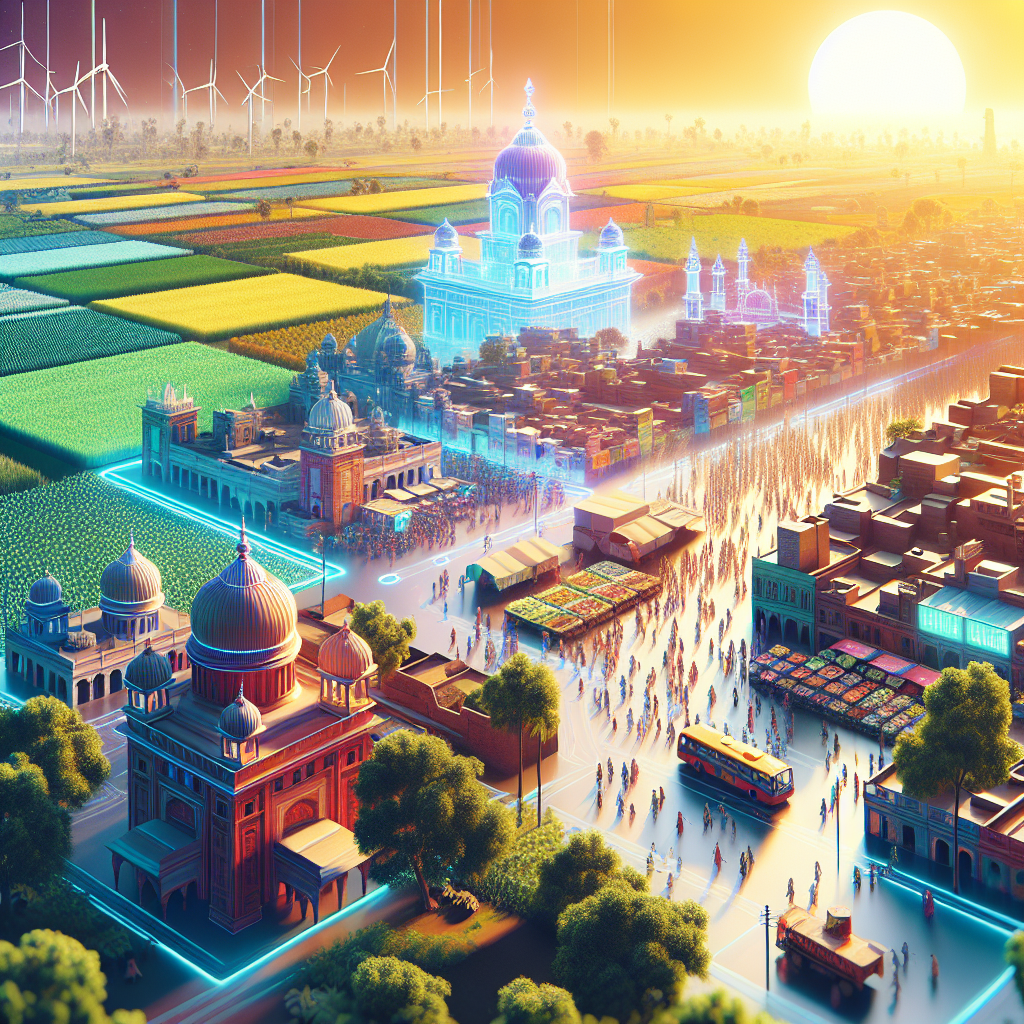

If you thought Ludhiana was merely another blip on the map of India, you're in for a surprise, like sipping a glass of lassi with an unexpected punch of spice. Nestled in the heart of Punjab, Ludhiana is not just any city; it’s a district bustling with a unique blend of industrial prowess, cultural richness, and a hint of traditional charm. Whether you’re drawn by its history, its contribution to India as a manufacturing hub, or its modern-day hustle, Ludhiana promises something for everyone.
Ludhiana's history traces back to the 1480s during the Lodhi dynasty's reign. Positioned on the Grand Trunk road, it became a strategic location for trade and commerce. Fast forward to now, and Ludhiana has blossomed into the largest city in Punjab by population. It has earned its stripes as the industrial powerhouse of North India, renowned for textiles, apparel, and bicycles, all contributing to putting 'Made in Ludhiana' on the global stage.
What's captivating about Ludhiana is its dual persona. On one hand, it is a fast-paced industrial hub where factories hum and urbanization gallops. On the other, it has a laid-back, traditional culture, where time occasionally pauses, letting you soak in the vibrant festivals, folk music, and delectable Punjabi cuisine. This balance of progress and heritage makes it an intriguing tapestry woven with historical patterns and modern threads.
The people of Ludhiana are as industrious as they are warm-hearted, carrying forward the legacy of Punjabi hospitality. The harmony with which diverse communities co-exist speaks volumes about its liberal ethos. While the younger generation pushes for modernization and change, there's a deep-seated respect for traditions, embodied in local legends and lingering folklore.
Yet, not everything is idyllic. Ludhiana battles challenges typical of any rapidly growing city—pollution, traffic congestion, and socio-economic disparities. While industrial growth has brought economic opportunities, it has also led to environmental concerns and infrastructural strains. These issues have sparked debates among various societal sections seeking sustainable solutions.
On the environmental front, activists and concerned citizens have raised awareness about air and water quality. With industries mushrooming, safeguarding nature while accommodating growth requires innovative solutions. Ludhiana is exploring eco-friendly practices, but the path is long, requiring consistent effort and a cultural mindset shift. A balance must be struck between economic ambitions and ecological preservation.
Educationally, Ludhiana holds its ground firmly. The city is home to Punjab Agricultural University, a significant contributor to the Green Revolution, which helped propel India to self-sufficiency in food grains. Educational institutions here work tirelessly to churn out students equipped to face future challenges, reflecting their adaptability in curriculum and practical application.
Yet, amid the optimism of educational growth, Ludhiana faces challenges related to access inequality. While urban areas thrive, rural regions often lag in terms of advanced educational facilities and resources. Bridging this gap is critical for holistic development, substantiating the efforts of numerous NGOs and government schemes.
Culturally, Ludhiana thrives with festivals like Lohri and Baisakhi, reflecting the agricultural roots and the circle of community life. The dance of Bhangra, a high-energy festival dance associated globally with Punjab, finds its energetic pulse right here. These cultural expressions reiterate the spirit of optimism, embodying the essence of Ludhiana’s community and resilience.
There’s more than what meets the eye about Ludhiana. Known to many as India’s Manchester, this city spreads its charm slowly yet steadily. It’s a fusion of conventional and contemporary, a place where one can see history and modernity waltzing together in tandem. It invites wanderers, entrepreneurs, and activists alike—all looking to be part of its evolving story.
As we ponder over Ludhiana’s trajectory, the discourse between economic growth and traditional values continues. Some argue the city should embrace modernity with unchecked vigour, while others advocate for preserving its core identity amidst progress. This diversity of opinion is what makes Ludhiana fascinating. It’s not about choosing sides; it’s about understanding, blending, and evolving.
Ludhiana prospers and struggles like any burgeoning metropolis, finding its unique pace in the vastness of India’s narrative while carving its destiny. It beckons adventurers, the curious, and the hopeful, promising them stories yet to be told, driven by the heartiness of its people and its unyielding spirit.