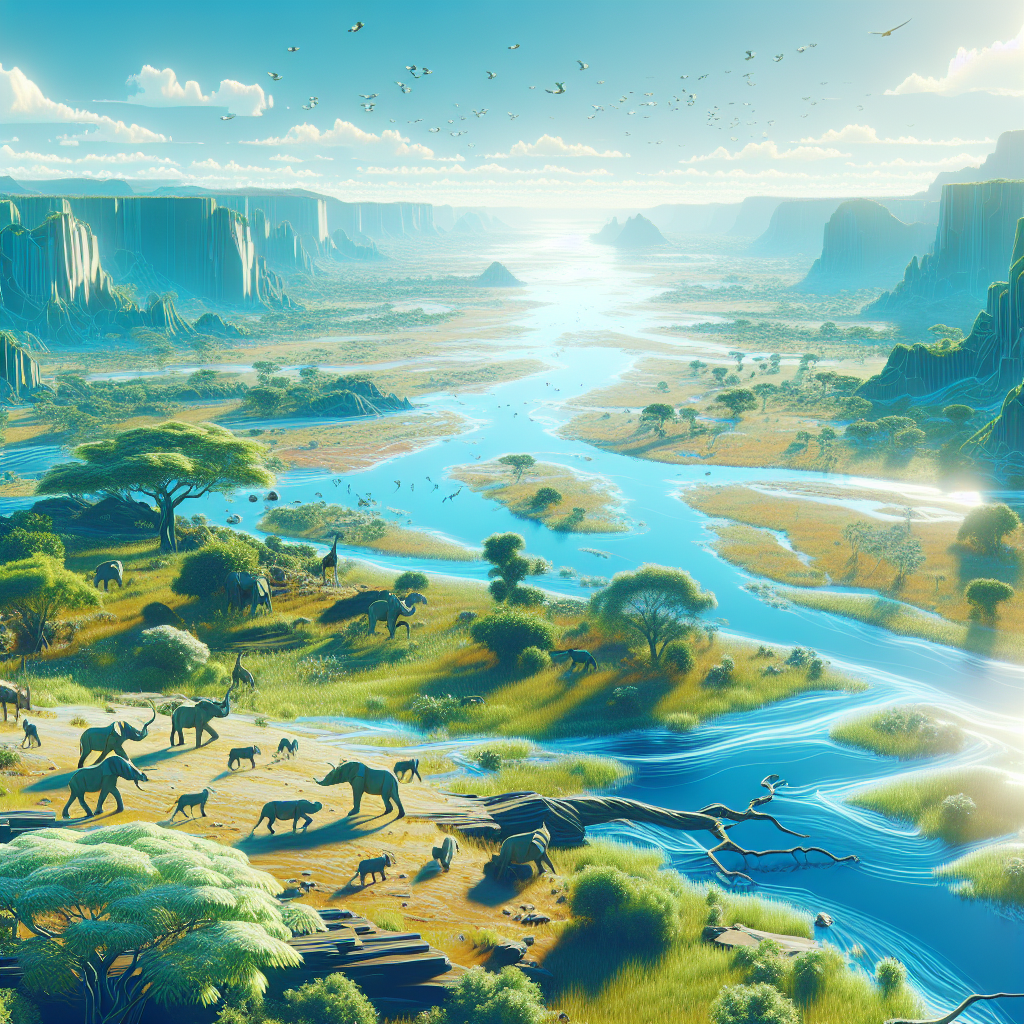

Some places whisper history through the rustle of leaves and the murmur of streams, and Luangwa District in Zambia is one such storyteller. Situated in the eastern part of the African nation, this region serves as a time capsule, capturing the stories of its people, wildlife, and landscapes over the years. Established as a district, its development has seen peaks and falls, shaped significantly by both colonial encounters and post-independence evolutions.
Who really knew Luangwa was hiding such treasures? Nestled within Zambia’s Lusaka Province, it's both a place and a promise. The district lies to the north of the great Luangwa River, after which it was named. It's not just about mesmerizing landscapes but also its strategic contribution to Zambia’s socio-economic fabric.
It's a real journey through time, as Luangwa District has an influential pre-colonial history. Its lands were traversed by the Chewa people, among others, who utilized its rich soils and water access. In modern times, the district has become a focal point for discussions on development and conservation. The mixture of communities—comprising the Nsenga, Chewa, and other tribes—bears a testament to the past's migrations and modern integration.
Engaging with Luangwa is like stepping into a living ecosystem where nature and culture thrive. The district boasts an abundance of biodiversity. Nature reserves and parks host a remarkably diverse array of wildlife. Encouragingly, conservation efforts have been a focal point here. Game management areas work diligently to protect this biodiversity against the harsh realities of poaching and deforestation. These battles aren’t just local; they sit within a global context of environmental challenges. Balancing economic growth and conservation is an intricate dance.
Tourism, naturally, grows within this vibrant paradise. For those of us dreaming of experiencing Zambia’s wildlife, the district is a dream come true. Unlike many regions, however, it remains less visited by international tourists, offering a more authentic taste of Africa’s wild heart. Cultural tourism, too, fares well as visitors gain insights into the vibrant lifestyles and traditions of local tribes. It's not just about observing—it's about connecting on a deeper level.
The education system in Luangwa faces its challenges, but spirits remain unbroken. Efforts to improve education, from primary to tertiary, are in motion. Schools need resources and modernization, yet there's heartening enthusiasm among the youth. They are the changemakers, armed with aspirations to bring transformations to their district.
Then there’s the question of infrastructure—a double-edged sword. Roads and transportation infrastructure are paramount in fostering connectivity and development. Unfortunately, Luangwa District, like other rural Zambian areas, is plagued by underdeveloped roads and limited transportation. This infrastructure gap affects trade, health access, and overall quality of life. Government and NGOs are continually working to improve these crucial aspects. Sometimes, politics paints a hopeful future; sometimes, it seems more like lip service.
On the web of socio-economic factors, agriculture is a predominant activity due to the fertile land and favorable climate. Traditional farming methods are still prevalent, and there’s an ongoing debate about modernization. Innovation in agriculture might sound like a new chapter, but traditionalists argue for preserving tried methods that respect the earth's rhythm. Environmentalists call for sustainable farming practices to prevent land degradation. A gentle balance is sought.
Through these complexities, Luangwa’s story remains one of hope. Young people here are more interconnected with the world than before, using social media and technology to share their stories and learn from others. Despite the systemic issues that impact daily life, such as poverty and health concerns like malaria, there's a sense of resilience and creativity.
Openness to diverse ideas helps craft a forward-looking vision. Young advocates in Luangwa increasingly engage in conversations about climate change, gender equality, and sustainable development. Their aspirations reflect a broader, global consciousness while staying rooted in cultural identity.
Is it challenging? Yes, but amid the hardships lie opportunities. There is substantial work to be done. Stories of success begin here—with digital tools as a catalyst for change. As discussions take place around the village fires and online platforms, Luangwa District stands at a crossroads of potential growth and preservation. It's an invitation to dream big, embrace change, and craft a future that's fair and bountiful for generations to come.
Exploring Luangwa District is to become a part of its narrative—a history alive with vibrant diversity, steeped in raw natural beauty and enduring resilience. For anyone keen to seek understanding beyond their immediate horizon, Luangwa extends a hand in friendship and collaboration.