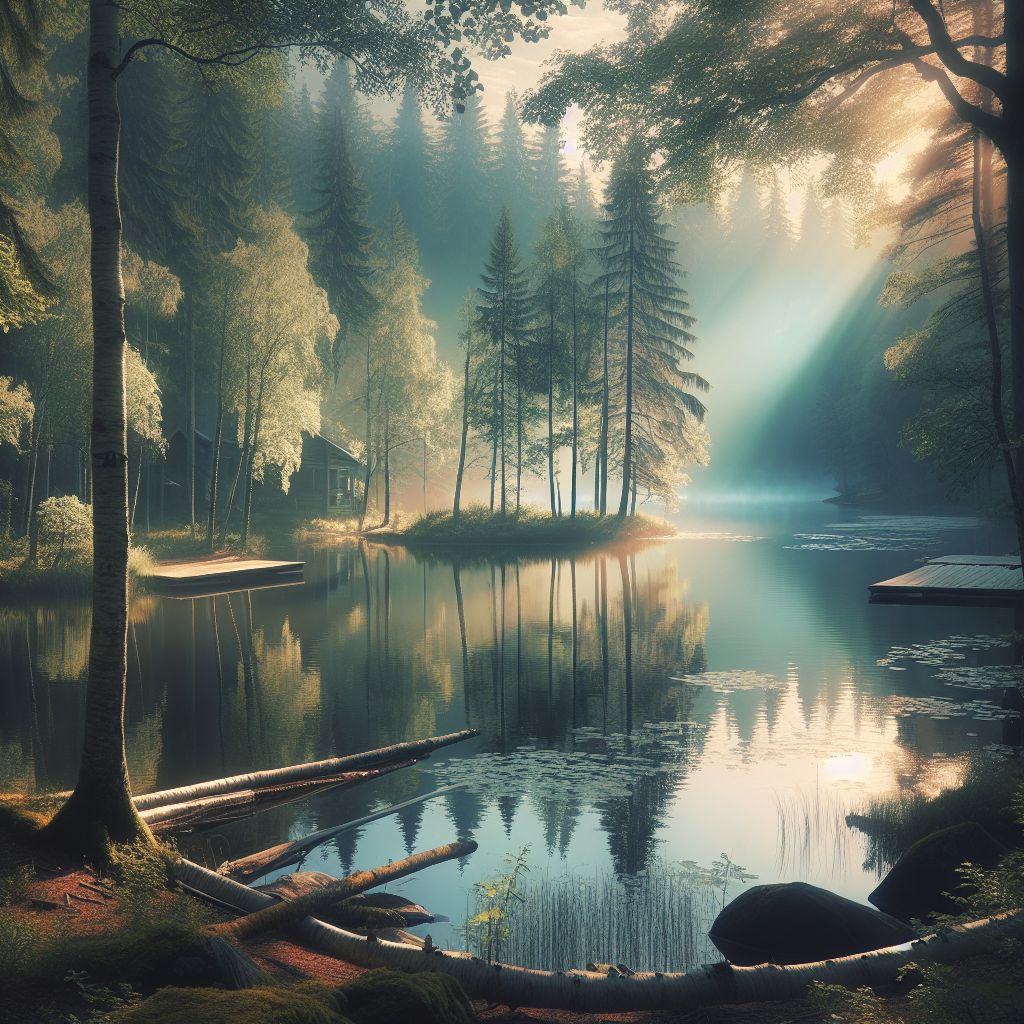

If you've ever dreamt of stumbling upon an enchanting place where art, nature, and history intertwine, Lake Tuusula might just be your paradise. Nestled in southern Finland, this serene lake holds stories of inspiration and creativity that date back to the late 19th century. The area became a cultural hub during the early 1900s, drawing artists and intellectuals who were seeking a peaceful haven away from the rapid industrial changes reshaping Europe. Here, nestled among the shores of the lake, you'll find picturesque homes once inhabited by some of Finland's most celebrated artists and musicians.
Lake Tuusula's magnets are its cultural heritage and natural beauty. It wasn't merely the placid water that called out to Finland's artists but the entire environment, both natural and intellectual. This epicenter of Finnish Golden Era creativity included figures like composer Jean Sibelius, painter Pekka Halonen, writer Juhani Aho, and numerous other luminaries. The area essentially served as an artist's colony, nurturing minds in a way urban settings could not; something still admirable today as we find ourselves craving space and time apart from bustling city lives.
Located a stone's throw away from Helsinki, the lake is a kind of nature-filled oasis that prioritizes artistic spirit and innovation. But why did they, people of tremendous talent and ambition, choose this relatively remote location? Perhaps it was a pure coincidence, driven by a better real estate deal, or maybe it was destiny. Nevertheless, the migration to such pastoral surroundings was grounded in a counter narrative to the mechanized world—the thought of escaping the smog of the cities into open spaces for boundless ideation.
As you wander along the shores, you can still visit many of the historic homes preserved as museums, allowing today's visitors a glimpse into the past. Ainola, the home of Jean Sibelius, is one of the more famous sites, deeply embedded within lush gardens and woodlands. Upon entering, visitors can feel the weight of inspiration and the gentle whisper of symphonies that defined an era. It's as if the home breathes creativity.
Nearby, the Gallen-Kallela Museum prides itself on its portrayal of another renowned Finnish artist, Akseli Gallen-Kallela. As you walk through its galleries, it provokes contemplation on the transformative power of art and how such secluded places, removed from societal strains, allow for artistic exploration beyond conventional limits. There is something universally relatable about the need to slow down, reflecting our desire to quit the hustle and step into a more mindful existence. A powerful sentiment in today’s overstimulated culture.
While Lake Tuusula's artistic allure is undeniable, it's also worth considering its blind spots. Were these communities too insular? Did their push against industrialization edge too close to a privileged ignorance of broader societal shifts? Critics may argue these enclaves of creativity dodged societal responsibilities by escaping into nature. Yet, these spaces provided a refuge, not just for creation but for critical thought that questioned the status quo.
It's essential to acknowledge that art is not created in a vacuum. Each artist, each stroke of a brush or note composed resonates with the issues and hope that defined their times. Lake Tuusula thus becomes a poignant case study revealing how secluded creative communities stack up against today's interconnected digital age. While some seek their peace contributing to vast networks of online collaboration, others continue to advocate for more roots-down, face-to-face methods of sharing and growth.
In the heart of global Gen Z, marked by activism and immediate connectivity, the significance of Lake Tuusula may seem like a relic of bygone European elite privilege. Yet it serves as a reminder of the power to forge communities centered around shared values and visions outside mass-market cultures. This empathetic lens helps us understand essentials of creativity and the contexts shaping ideas.
As an example of a culturally vibrant past, Lake Tuusula begs a broader narrative about what artistic genius demands—the freedom to innovate, yes, but perhaps just as importantly, the space to retreat and reflect. Today, visiting these shores could be more than just a stepping into pages of history; it's an invitation to reconsider the balance between digital immediacy and timeless, grounded creation.
The magic of Lake Tuusula goes beyond its surface. It lies within its ability to engage us with questions: How do we create balance in our own lives? Where do we find moments to breathe, uninterrupted by ceaseless notifications and bustling schedules? Stepping into a lakeside stillness just might provide the answer, encouraging our explorations, both artistic and personal. So whether you navigate the lake on a nostalgic muse or retreat into the splendor of its silent allure, Lake Tuusula offers timeless lessons in cultivating creative space in our tightly packed world.