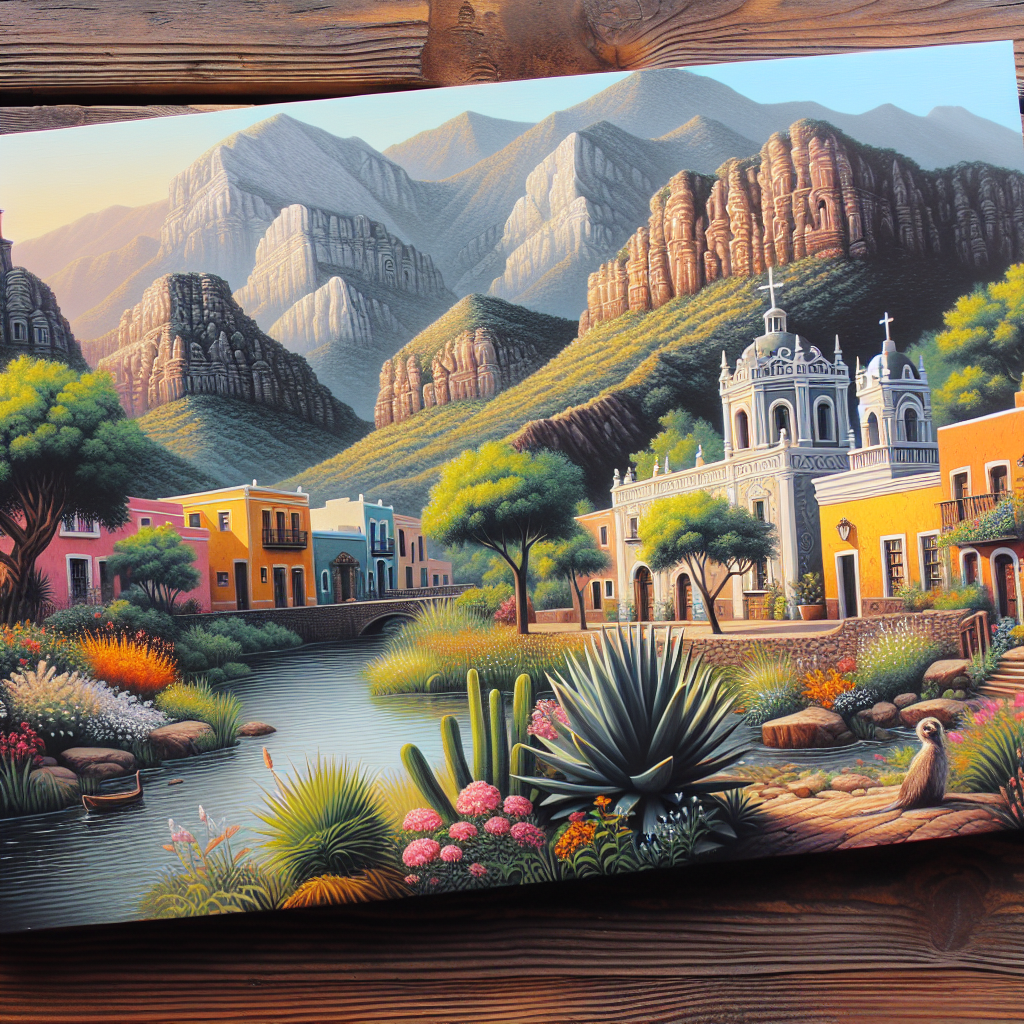

Picture this: nestled in the lush hills of Panama lies La Pintada District, a place where rolling landscapes meet vibrant local culture and everyone seems to know everyone. Founded in the 1850s, this charming district is known for its rich agricultural roots and deep sense of community. Situated in Coclé Province, La Pintada is approximately a two-hour drive from Panama City, making it an accessible yet tranquil escape from the hustle and bustle of urban life. What makes it truly special is its connection to traditional crafts, particularly the 'sombrero pintado', a handcrafted hat that locals take great pride in.
Walking around La Pintada, you're likely to stumble upon a captivating blend of local traditions and evolving modern influences. Small as it may be, this district punches above its weight in maintaining Panamanian culture. Here, you’ll find artisans working meticulously on crafts and agriculture thriving as a staple livelihood. The market is the heartbeat of the community, with local vendors selling everything from fresh produce to handmade artifacts. It mirrors an era where face-to-face interaction played a central role in daily life.
The district doesn't boast the skyscrapers or buzzing nightlife of Panama City, but that’s exactly the point. It's about quiet trails, picturesque landscapes, and an unhurried pace of life. Youth here might long for urban excitement, but many find comfort in the community’s supportive nature and its embrace of time-honored customs.
Tourists, especially those in search of authenticity and relaxation, find a unique pull in La Pintada. While exploring cobblestone streets or savoring local cuisine, visitors can take immersive classes in traditional hat weaving or head to nearby coffee plantations. The district offers an even deeper immersion into an uncommercialized realm.
Despite what makes La Pintada charming, there’s another tale to tell. Much like any rural area, challenges can arise, such as limited access to modern services and a scarcity of educational opportunities for the youth. Moreover, the district faces dialectical tension; while older generations find solace in preserving traditions, the younger crowd often contemplates migration to urban centers for better opportunities. It's a give-and-take situation that adds complexity to this community’s evolving story.
But what’s society without a bit of a push and pull? Those in La Pintada, embracing or questioning their roots, are still part of a collective effort to preserve what they’ve known. The discussion on whether to lean into modernization or hold onto traditions is alive and well. Neither choice is right or wrong; both involve personal forecasts of what the future holds or should hold.
Climate change also plays a pivotal role in shaping La Pintada’s immediate future. Like much of Panama, it's susceptible to the impacts of changing weather patterns which affect agricultural yield and subsequently, the local economy. Many locals actively engage in sustainable practices to combat these effects, but assistance from broader networks or governments can make a significant difference.
Engaging with La Pintada offers insights into how people adapt and find meaning in the world around them. Spending time with the locals provides invaluable lessons in resourcefulness and adaptability. They revel in lifting each other up while fighting to keep alive the heartbeats of history. This dance between tradition and change is what makes La Pintada a small yet captivating community.
Consider visiting when you get the chance. In its embrace, travelers experience a blend of serene landscapes and spirited communities that tell stories, not in megacities but in quiet whispers of the past merged with dreams of the future. La Pintada offers an opportunity not just to explore its streets, but to explore the very rhythm of life itself.