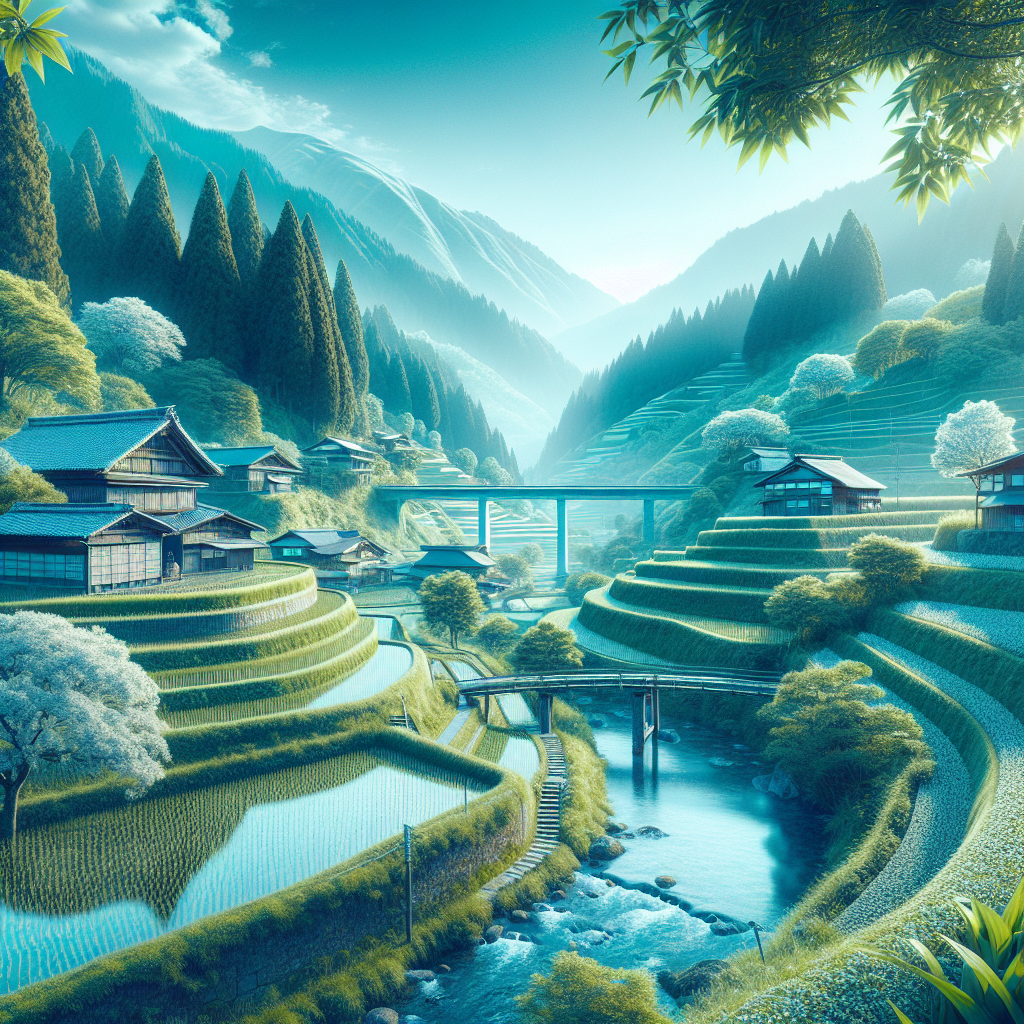

Ever wanted to feel like you're in a studio Ghibli film, cruising through serene landscapes that seem almost untouched by time? The Kururi Line in Japan offers just that. Located in Chiba Prefecture, this charming railway line has been operational since 1912, providing a gentle ride across picturesque rural settings. While the rest of the world seems to rush into the future, the Kururi Line preserves a past of simpler times, connecting the towns of Kisarazu and Kazusa-Kameyama, covering 32 kilometers of scenic valleys and forests.
The Kururi Line is one of those hidden gems that might escape the average travel itinerary. It runs through an area not typically swarmed by tourists, which offers both a blessing and a curse. On the one hand, this less-traveled path invites those seeking a genuine connection with Japan's rural heartland. On the flip side, its lack of attention sometimes leads to discussions about its operational viability. The region's dwindling population and a shift towards more urban attractions mean that fewer people are hopping on these quaint trains. Yet, there's a growing group of locals and tourists who appreciate the slower pace and heritage vibe it offers.
Riding the Kururi Line feels like entering a time portal. Unlike the bullet trains that zip across cities in Japan, this line allows passengers to really see the beauty of their surroundings. Mornings often begin with mist floating over rice paddies, and by noon, the lush green of the hills forms a soothing backdrop to your journey. Every season brings a distinct flavor; from cherry blossoms in spring to the golden hues of autumn, every glance out the window is a photo opportunity.
Thinking about the Kururi Line naturally brings up questions about the balance between modernization and preservation. On one side, we have the pressure to upgrade, to embrace speedy technology and convenience. On the other, there's a real yearning to hold onto history, to maintain the stories embedded in each stretch of track. Advocates for preserving the Kururi Line emphasize the power of nostalgia, arguing that in a world increasingly driven by efficiency, places like these provide a necessary pause.
Yet the opposing view isn't without merit. It argues for pragmatism, for adapting to present needs and ensuring financial sustainability. After all, running a railway doesn't come cheap. Tracks need maintenance, trains require regular updates, and diminishing passengers make it harder to justify the costs. Those suggesting changes aren't necessarily pushing to erase history but are instead calling for innovation that respects tradition. Perhaps by introducing heritage trains or themed rides, they can find a way to draw in more visitors, thereby providing a practical solution to the line's plight.
As we navigate these discussions, it's essential to recognize that transport isn't merely about moving from point A to point B, but also about building one's connection to place. The Kururi Line provides local residents with more than just a means of travel; it acts as a reminder of their cultural landscape, their identity. For tourists and adventurers, it offers an unrivaled outlook into a Japan that isn't about skyscrapers or bustling pedestrian lanes but rather about a quiet nostalgia.
There's also a broader environmental conversation to consider. This line exemplifies a sustainable travel option compared to individual car journeys. It has a lower carbon footprint and encourages a shared travel ethos that many environmentalists promote. Encouraging more people to use trains like the Kururi Line could help in the larger fight to reduce global emissions.
So, is the Kururi Line here to stay? One would hope. It subtly reinforces the idea that not everything valuable should be measured by immediate profitability. Its significance transcends simple economics and enters the realm of cultural preservation. By riding these rails, one not only supports a local community but also joins the ongoing dialogue about what progress truly means.
Generationally speaking, younger audiences like Gen Z might feel especially drawn to these conversations. Raised in a digital age yet nostalgic for greater authenticity, many are looking for deeper experiential connections. Enjoying the Kururi Line offers a counter-narrative to the fast-paced reality they often face. It's a gentle reminder of the importance of heritage and the slow beauty that the world, despite all its advancements, will always need.
For many travelers, journeying on the Kururi Line isn’t simply about reaching a destination. It's about appreciating the path itself, an exploration within the folds of history and nature, a reminder that sometimes in life's journey, it’s not the destination but the journey that truly matters.