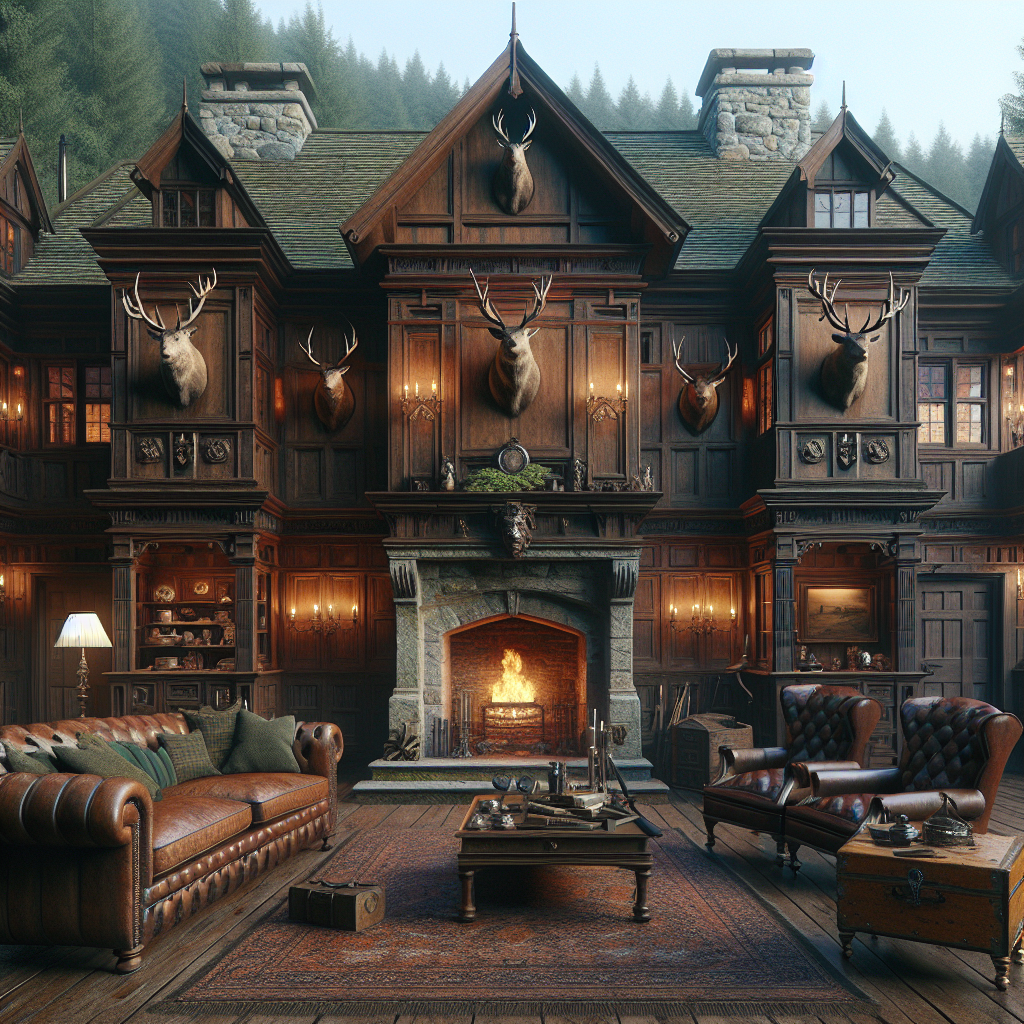

Imagine stepping through a portal into the past, where time seems to dance around you. That's the feeling you get standing before King John's Hunting Lodge in Axbridge, Somerset. This medieval marvel, a timber-framed structure that whispers stories from the 13th century, invites exploration and contemplation. Built at a time when King John reigned from 1199 to 1216, this fascinating landmark is located at the heart of Axbridge, offering a vivid glimpse into the lives that wove through its ancient beams.
Initially, the Lodge was mistakenly believed to date back to King John's era, although it's actually from the 1460s. Still, the misnomer has stuck, adding charming mystery to its history. As a Grade II* listed building, it stands as a testament to the craftsmanship of the past, defying the elements and the relentless march of time. The lodge is now a museum managed by the National Trust and run by the Axbridge and District Museum Trust, showcasing both the vibrant local history and broader historical threads that connect its small-town setting to the world.
Walking into King John's Hunting Lodge is like flipping through a living history book. Each room is filled with artifacts that tell tales of the people who lived, worked, and traded in Axbridge over the centuries. The compassionately presented exhibits document everything from royal decrees to the everyday lives of those who once navigated the streets of medieval Somerset.
Historically, Axbridge stood as a key location due to its strategic position between ancient routes and its proximity to the Mendip Hills, rich with resources. This positioned it as a bustling market town during the medieval period, a status echoed in the lodge's design. The structure itself, with its jettied upper floors and ornate interiors, exemplifies the economic optimism and architectural ambitions of its era.
However, the lodge doesn't just serve as a mirror reflecting the past. It also acts as a space of ongoing discourse about preservation and the challenges of maintaining historical sites amidst modern development pressures. These discussions feature voices from local communities to historians, each adding valuable perspectives on how such pieces of heritage should be conserved for future generations.
King John's Hunting Lodge has become more than just a relic of the past. It's an educational tool that invites visitors to contemplate various narratives of regional and national significance. This broadens one’s perspective on how seemingly isolated historical events intertwine with wider cultural and political developments.
When touring the lodge, the efforts of the National Trust and the museum volunteers become palpable. They ensure that history is presented engagingly, aiming to ignite curiosity, especially in younger audiences. They've created an atmosphere where learning is inclusive and multi-dimensional, highlighting the stories of diverse groups, such as women and the working class, who are often underrepresented in historical accounts.
In a world making rapid technological advances, places like King John's Hunting Lodge serve as important reminders of where we've come from. For those who are keen on finding harmonious ways to balance progress with preservation, this site is a must-visit. By engaging with history in this manner, we can better understand our current societal frameworks and envision more equitable futures.
Critically, it's essential to discuss the opposite view within heritage conservation, which argues that resources invested in maintaining such structures might be better directed toward immediate community needs. Perspectives suggest that while history is essential, the focus should equally involve how it could actively serve and support modern social issues. There's a growing movement advocating for historical sites to take on dual roles, functioning as social enterprises that directly benefit contemporary society while also preserving the past.
King John's Hunting Lodge in Axbridge continues to be a unique location where history isn't just displayed behind glass; it's something you can feel in the creaks of the floorboards and see in the multi-layered representation of stories contained in its walls. The ongoing dialogue about its role underscores the importance of such heritage in reflecting on our shared past and shaping our collective future.