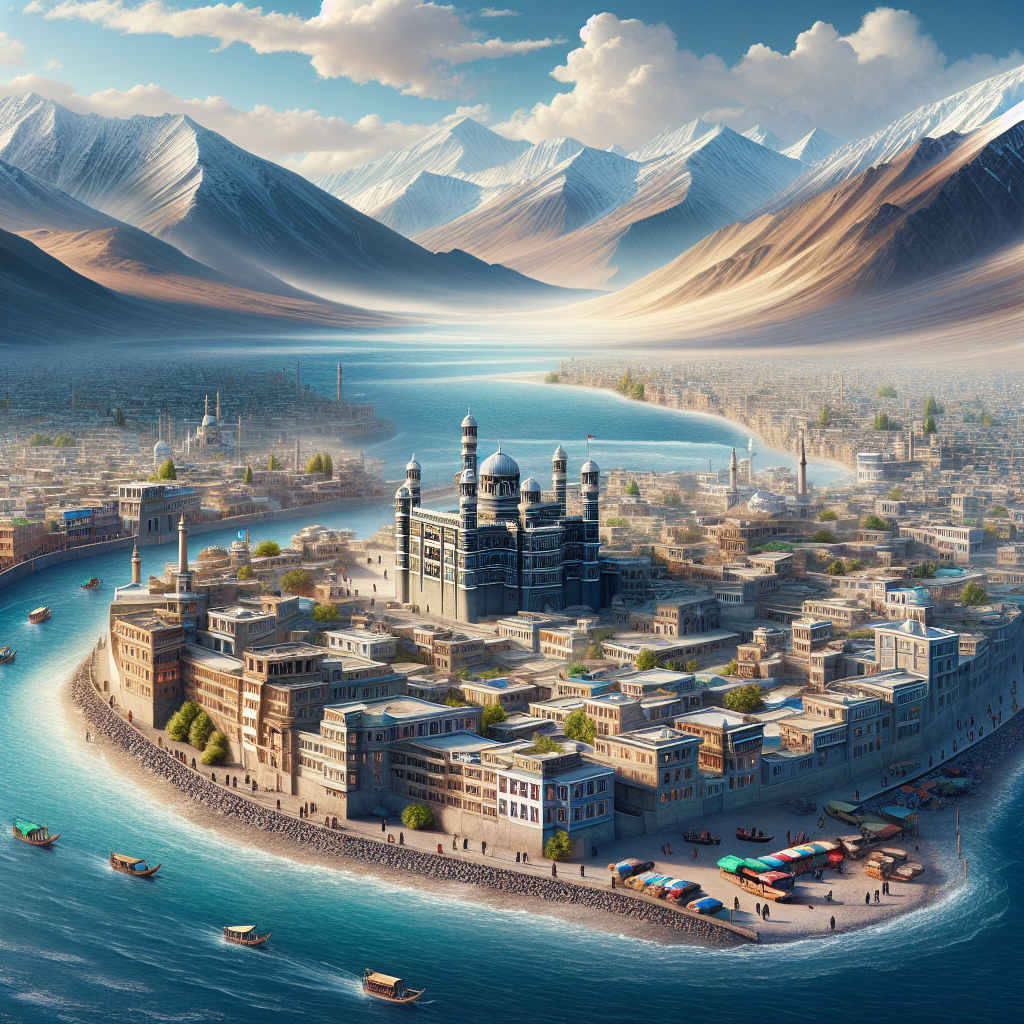

Nestled in the far west of China's Xinjiang region, Kargilik County is not just your average dot on the map. It is a place where the echoes of ancient traders, contemporary political intrigue, and diverse cultural threads intertwine in ways that beguile the mind. Kargilik, also known as Yecheng, finds itself at the crossroads of history and modernity, dragging along stories dating back to the heyday of the Silk Road while grappling with the political climate of the present.
Kargilik has been a melting pot of ethnic diversity for centuries. From the Uyghurs, who consider it a cultural heartland, to the Han Chinese, who have settled there in increasing numbers over recent decades, the population of Kargilik is as complex as its history. It's this vibrant blend that offers a rich cultural tapestry—one where local customs, languages, and culinary traditions thrive and jostle against each other.
Life in Kargilik is both charming and challenging. Wander through the bustling bazaars, and you're met with the clamor of traders selling everything from vibrant textiles to local jade. These markets hark back to its Silk Road roots, reminding us of a time when this route was a major conduit for trade between the East and West. Yet, beneath this lively surface, the county is tangled in broader socio-political issues.
Recent headlines have painted a somber picture of Xinjiang, stirring debate across international forums. Kargilik, like much of the region, has been the focus of discussions around ethnic tensions and human rights concerns. Reports and stories about heightened security and surveillance might color perceptions, but it’s essential to understand the broader socio-political canvas without painting everyone and everything with the same brush.
From an outsider's perspective, it's easy to fall into narrative traps set by sensationalist headlines. But pulling back the lens reveals layers far more nuanced than a headline can convey. Many residents live daily lives infused with a rich cultural identity. The call for broader cultural preservation has been echoed by multiple voices, who argue that steps should be taken to ensure traditions aren't lost to political agendas. Others feel that integration with broader national policies might promise stability and economic progress, pointing to infrastructure developments that have improved roads, schools, and healthcare facilities.
Environmental concerns, too, shape life in Kargilik. The region sits on the edge of the Taklamakan Desert, often referred to as the 'Sea of Death'. This setting has forced communities to adopt innovative practices for agriculture and water conservation to sustain livelihoods. Listening to local voices and those of environmental experts echoing the need for careful stewardship of natural resources becomes crucial in such contexts.
The famous roadside architecture echoes the mixed cultures. Visitors marvel at a place where a mosque might sit a stone's throw from a pagoda, each with stories to tell. Delving into these layers offers a peek into a world that refuses to sit quietly in the history books.
Despite challenges, Kargilik pulsates with a unique vitality. Festivals, music, and dance are testaments to resilience and communal celebration. The flame of cultural identity burns brightly here, sparking curiosity and drawing visitors who yearn for authenticity amid the headlines.
Understanding Kargilik requires more than skimming news reports. It's engaging with a living history kissed by modern challenges. Empathizing with diverse perspectives allows us to scratch beneath the surface and challenge preconceptions shaped by distance and difference. For Gen Z, who value authenticity and nuanced narratives, Kargilik's stories are a fascinating dance between past, present, and future.