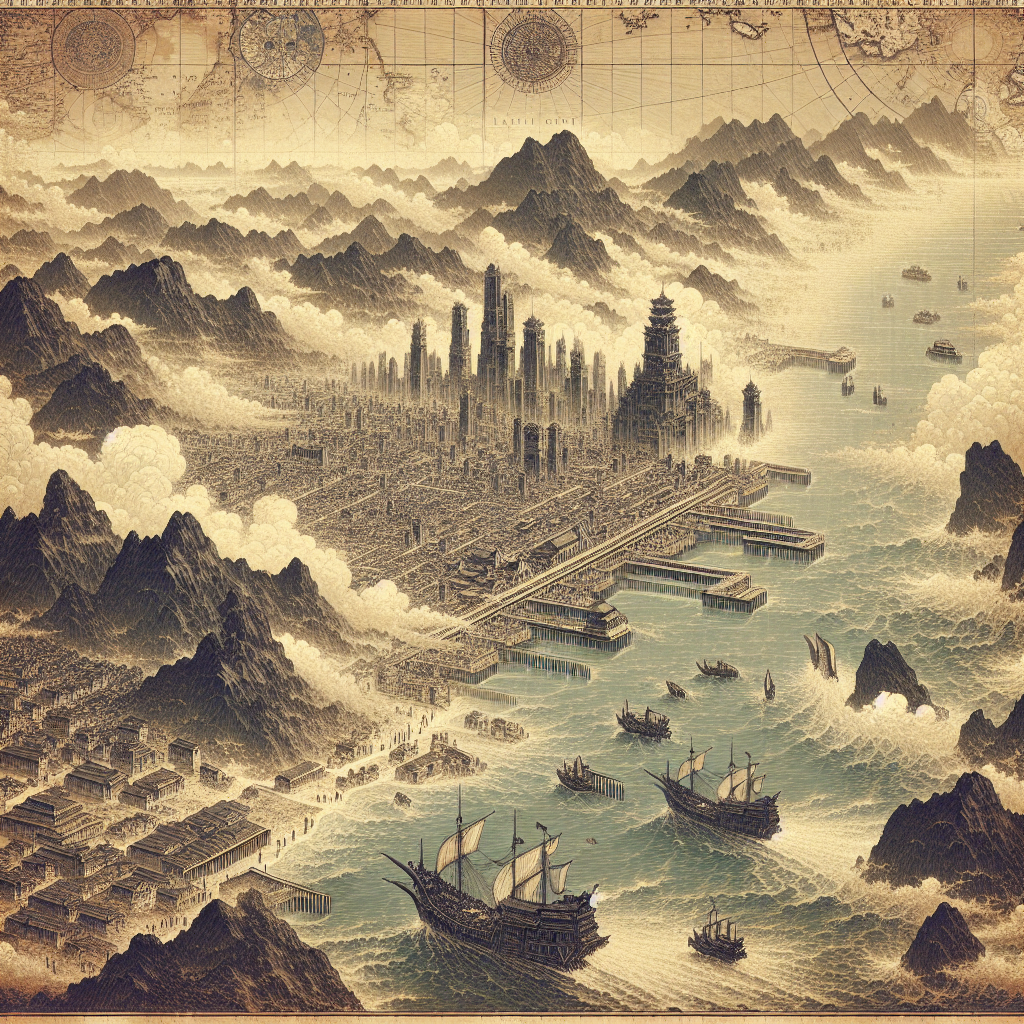

Ever wonder where you can find a place blending ancient Chinese traditions with a vibrant, modern vibe? Kaili City in China's Guizhou Province is your answer. Located in the southeastern part of this lesser-known region, Kaili is a hub of Miao and Dong ethnic cultures, each with deep-rooted traditions that have been passed down through generations. Thanks to its cultural richness, it offers breathtaking landscapes and lively festivals that paint an insightful picture of diversity and inclusion. Today, people are finding Kaili not only a cultural delight but also a symbol of harmonious living against a stunning backdrop of lush, green mountains.
Kaili City’s charm goes beyond its vibrant markets and intricate traditional architecture. It’s a place that embraces both the old and the new, with modern structures coexisting alongside age-old villages. Walking through the city, you notice distinct elements—like the towering drum towers and unique wooden bridges—that speak to the Miao and Dong people's craftsmanship and cultural heritage. Festivals like the Sister's Meal Festival, where locals don colorful attire and celebrate love, peace, and prosperity, exemplify the city’s commitment to keeping traditions alive while evolving.
Despite its cultural richness, Kaili still faces challenges typical of developing areas. Economic growth has sparked debates about development versus sustainability. Many fear that the rapid modernization could compromise its cultural ethos. Industries often push for more urbanization, which can lead to environmental concerns like deforestation and pollution. Many locals voice their worries, hoping that tourism and economic opportunities do not come at the cost of cultural erosion.
However, the city’s leadership leans towards sustainable practices that support eco-tourism and cultural preservation as its roadmap for the future. This mindset reflects a broader trend in China towards balancing economic development with environmental protection. While critics point out that such approaches are easier said than done, the hope is that Kaili can serve as an example of how to grow without losing one's identity.
Kaili's government often invests in educational programs to raise awareness about cultural heritage and environmental stewardship among its youth. By injecting resources into schools and local communities, the city aims to cultivate a new generation that values both progress and preservation. Programs that focus on teaching traditional crafts and local languages are helping to keep the cultural needle threaded through the fabric of modern Kaili life.
The dynamic energy in Kaili is palpable, attracting tourists and researchers alike who are eager to experience its unique blend of tradition and innovation. Travelers are drawn to its market streets buzzing with activity, where one can find handwoven textiles, silver jewelry, and rich varieties of traditional food. Continually evolving, the city's art scene has also begun to get noticed, blending traditional influences with contemporary creativity.
Millennials and Gen Z are finding particular attraction in Kaili’s lifestyle, where tradition is trendy and technology is a tool for storytelling. Social media has played a significant role in popularizing Kaili’s festivals and cultural heritage, giving rise to a new wave of ethical tourism. Instagram stories and TikTok videos capture the city’s vibrant colors and sounds, encouraging a younger audience to see firsthand what makes Kaili so unique.
It's clear that Kaili is more than just a city in China—it’s a living testament to the art of cultural endurance. Gen Z’s appetite for diversity, authenticity, and sustainability might just make them Kaili’s staunchest allies. Engaging with a place like Kaili offers not just an avenue for cultural discovery but also an opportunity for meaningful exchanges where everyone can learn a little from each other.
Kaili stands at an intriguing intersection of preserving what was and embracing what could be. Its ongoing journey draws a rich tapestry of voices, plans, and dreams hoping to create a future where tradition and modernity thrive together.