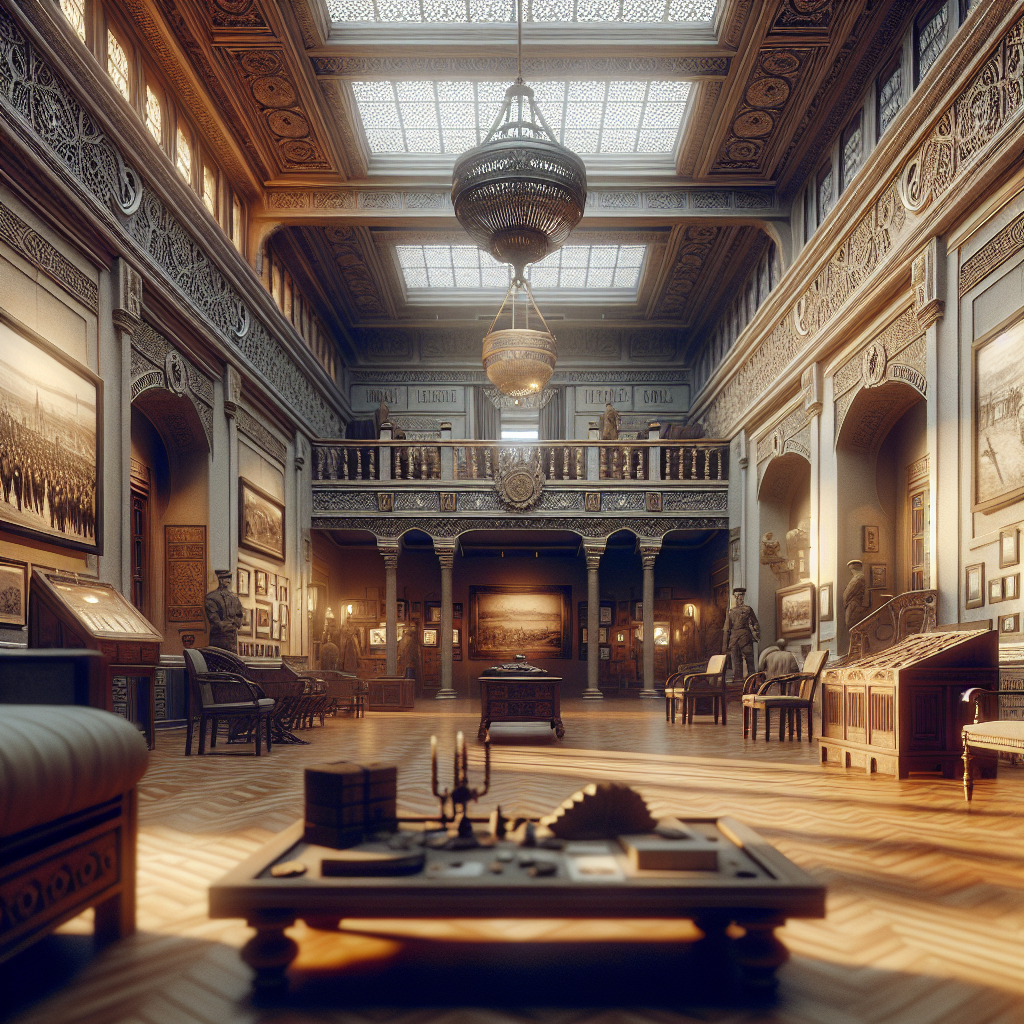

What if I told you that nestled in the heart of Turkey, there exists a museum that tells a story of courage, liberation, and resilience? The Kahramanmaraş Liberation Museum is a hidden gem that captures the essence of a significant period in Turkish history. This museum is located in the city of Kahramanmaraş, a place known for its rich cultural tapestry and picturesque landscapes. It stands as a monument to the struggle and eventual victory of the local people against occupying forces during the Turkish War of Independence in the early 1920s. The museum itself is housed within the historic mansion of a notable family that lived during that time, providing an authentic glimpse into the past.
Exploring this museum, you're immediately drawn into a world where every artefact, every painting, tells a story. It's not just about the battles fought with weapons, but also about the cultural perseverance and determination of a people who refused to be subdued. The museum cleverly uses multimedia displays and historical reenactments to engage visitors, making it a hit particularly with younger audiences who prefer interactive learning experiences. It’s both an educational and emotional journey that doesn't just inform but ignites a sense of pride and empathy.
The Kahramanmaraş Liberation Museum is particularly captivating because it challenges the conventional narrative. Instead of glorifying war, it focuses on the human stories behind the conflict. You get a sense of the diverse perspectives that existed during that period. Each section of the museum invites visitors to consider what it means to fight for freedom, and whether the struggle always justifies the means. These are thoughts that resonate deeply in today’s world, where discussions around freedom and conflict are as relevant as ever.
Some might argue that museums like these can be nationalistic and perhaps too focused on a single narrative. It’s an important criticism and one that the museum does not shy away from. In fact, it embraces the complexity of history by including stories and displays that highlight the diversity of thought and opinion that existed even among those on the 'winning' side. It asks visitors to confront the uncomfortable parts of their history, understanding that true liberation comes not just from defeat of an enemy, but from embracing and accepting a multitude of experiences and truths.
The museum holds a unique place in the cultural fabric of Kahramanmaraş. It's a place where students, history enthusiasts, and casual tourists alike gather to understand a pivotal moment in history through a uniquely local lens. It's commendable how the museum doesn't shy away from the nuances, encouraging visitors to question, to learn, and to reflect on what they see. The exhibits are not merely static displays but dynamic stories waiting to be explored, making history feel alive and relevant.
In a world where historical events are frequently reduced to dates and facts learned in school, the Kahramanmaraş Liberation Museum offers an alternative engaging model of historical storytelling. It proves that learning history doesn’t have to be a passive activity. By immersing people in stories of bravery and perseverance, it not only educates but also inspires a sense of connection to the past.
For the Gen Z audiences who hunger for authentic experiences and platforms that let them see things from various perspectives, this museum is a treasure trove. More than just a museum, it's an educational sanctuary that provides a context for understanding today’s societal struggles in relation to the past, crafting a dialogue between history and present-day concerns.
Ultimately, the Kahramanmaraş Liberation Museum serves as a crucial link in the chain of historical understanding. It reminds us that every story has multiple sides, and that exploring these depths can make us empathetic, informed, and perhaps more hopeful about our collective future.