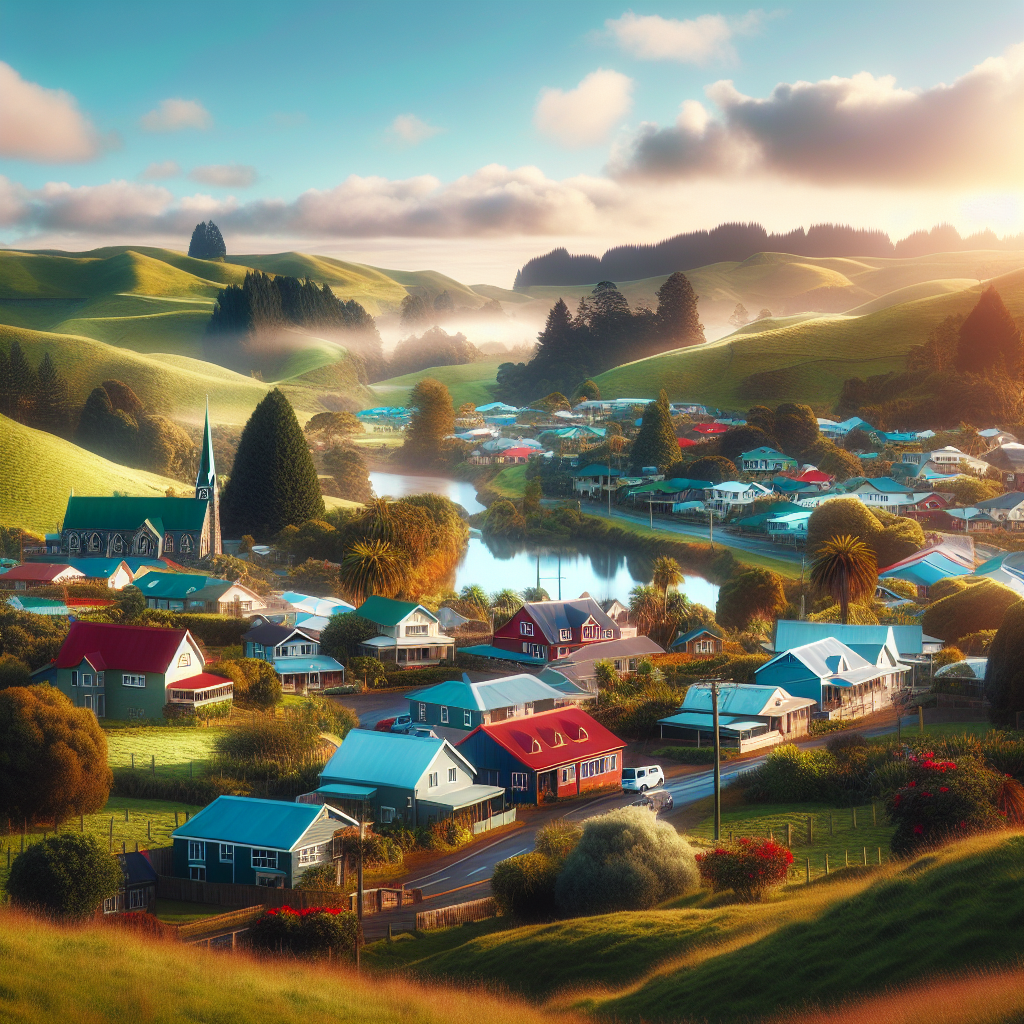

Nestled in the hilly suburbs of Wellington, New Zealand, Johnsonville isn’t your typical tourist destination, but it’s anything but ordinary. Known for its warm and welcoming community, Johnsonville offers a unique blend of quaint charm and modern conveniences. This town, which was once a part of rural pastures in the 19th century, has transformed into a vibrant suburb with a bustling town center. So why, you may ask, should we care about a small suburb thousands of miles away? Well, simply put, Johnsonville is a microcosm of the changing dynamics in suburbs around the world, exemplifying sustainability, cultural diversity, and the delicate dance between tradition and progress.
In the early 1840s, a bold farmer named Frank Johnson saw potential in the rolling hills and sprawling fields. After purchasing the land, the suburb took his name, marking the beginning of Johnsonville’s story. Since then, it has evolved significantly, yet it retains a sense of community reminiscent of its village roots. You won’t find skyscrapers piercing the sky here nor will you be overwhelmed by the incessant noise of city traffic. However, what you will discover is a place where history and the future coexist quite peacefully.
In Johnsonville, nature’s beauty is never far away. Awash with greenery, it boasts several parks and reserves, with the likes of Helston Park offering picturesque landscapes for nature lovers. For the ecologically conscious among us, it’s reassuring to know that many of these green spaces have been preserved and are carefully managed to serve both the community and the environment. Interestingly, Johnsonville sits as one of the more affordable suburbs in the Wellington region, making it an attractive option for first-time homebuyers.
This brings us to a critical issue: urban expansion. With housing becoming less affordable globally, Johnsonville becomes a critical case study in understanding how suburban neighborhoods grow without losing their soul. While some argue that development is essential, it's important to listen to those who stress the importance of keeping the green spaces intact, not only for the environment but also for mental well-being. The notion of progress shouldn’t automatically mean paving over parks.
But living in Johnsonville isn’t just about living close to nature. It’s about community. With a population of over 10,000 and growing, Johnsonville is a melting pot of cultures. It has become home to many immigrant families who add rich textures of diversity to the already vibrant community fabric. This inclusion stands as a testament to New Zealand’s broader values of multiculturalism.
Johnsonville also offers educational opportunities that reflect this diversity. Schools in the area are mindful of promoting an inclusive curriculum that values all cultures, setting students up to become conscientious global citizens. Educational policies that favor diversity and inclusion are more than feel-good initiatives; they lay the groundwork for a diverse society that benefits everyone.
Older generations might recall a time when Johnsonville was just a quiet, roadside village. Today, the area is equipped with modern amenities—shopping centers, libraries, and a soon-to-be-upgraded railway station. While it's essential to embrace development, discussions around ensuring these developments don’t overshadow local heritage are vital. Communities worldwide face similar crossroads, and Johnsonville embodies this challenge.
Some people argue modernization often erases the past. The opposite view sees development as a means to enhance not replace. Striking a balance between retaining the heritage and embracing change requires thoughtful planning and inclusive dialogue. Johnsonville shows these conversations are not only possible but necessary.
Of course, no place can claim perfection. Like many suburbs, Johnsonville faces its own set of challenges, such as traffic congestion and the limitations of public transport. But here’s what makes Johnsonville stand out: a community-driven spirit that aims to tackle these issues head-on. Local councils work vigorously with residents to devise solutions, because solving communal problems is, after all, a joint effort.
In embodying these values, Johnsonville offers a vital lesson to our generation: the power of working together. It showcases how a seemingly small suburb can provide huge insights into how we shape our future communities. As Gen Zs look to tackle the world’s issues, learning from places like Johnsonville could inspire practical solutions rooted in collaboration, inclusivity, and sustainability.
So, if you ever find yourself in Wellington, spare a thought for a detour to Johnsonville. It might just offer a fresh perspective on what it means to be part of a forward-thinking community, one that cherishes both its past and future.