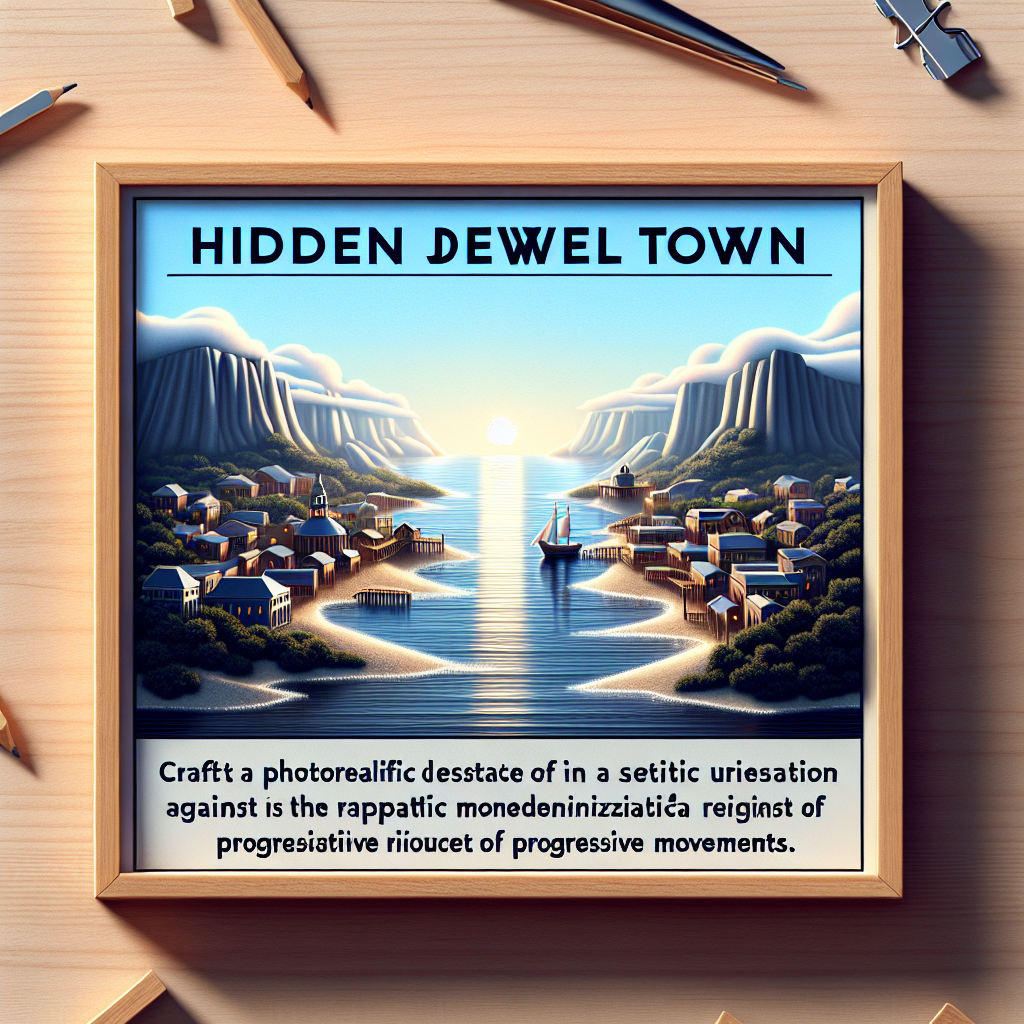

Picture this: a quirky, time-traveling town in the middle of the South Atlantic Ocean, steeped in history and blessed with curious isolation. That's Jamestown, the capital of Saint Helena, a territory that dances under the somewhat dim radar of global acknowledgment. Established in 1659 by the British East India Company, Jamestown is a blend of picturesque colonial architecture and breathtaking volcanic terrain.
Nestled between jagged cliffs and the endless sea, Jamestown is small in size but vast in historical significance. It's where Napoleon Bonaparte was exiled after his defeat in 1815, a topic that still ignites discussion in historical debate circles worldwide. Whether looking to understand the era of European heavyweights or seeking solace from the tech-saturated world, Jamestown offers a unique reminder that remoteness can be both fascinating and enlightening.
Walking around Jamestown feels like flipping through the pages of a vintage travelogue. Main Street, the beating heart of the town, is lined with pastel-colored buildings. These structures echo a colonial past, standing stoic against the natural forces that have shaped the island's landscape. The locals, proud and friendly, often narrate tales from their ancestors, giving every corner of the settlement a story. Tourists and historians alike find themselves intertwined in the narrative, often leaving with a sense of personal reflection on what connects us all across time.
One might wonder why anyone would settle or stay in such an isolated locale. The answer lies in the layered beauty of Jamestown and its people. The local economy is modest, relying chiefly on tourism, fishing, and small-scale agriculture. Dive into the history, and you'll find the island's days as a critical stopover for ships traveling between Europe and Asia during the age of sail. Today, that maritime importance has waned, but its historical mark remains a mighty one.
For some, isolation is synonymous with negativity—think boredom or detachment from modern-day luxuries. However, Saint Helenians typically see it as a source of unique community ties and strength. The slower pace is something many inhabitants embrace, inviting stress-free living where connection to natural beauty replaces constant connectivity. Opponents might argue that isolation limits opportunity, yet there’s a certain empowerment residents feel from their self-reliance and rich local culture. Gen Z, always connected, could learn much about finding balance and valuing in-person interactions from such a setting.
Today, Jamestown continues to face several challenges. Climate change is a big threat, impacting the rugged cliffs and biodiverse sea life that surrounds the island. Efforts are being made to mitigate environmental threats with conservation programs and sustainable practices. There's a conscious move towards greener energy solutions, something that aligns well with global Gen Z values of eco-consciousness.
The idea of living isolated from the hustle and bustle might be hard for some to understand. Connectivity, after all, is a key component of Gen Z’s world. Yet, the residents of Jamestown thrive on their connection to their land and each other, embracing a slower lifestyle that cherishes the present while respecting the past. It’s a testament to the diverse ways humans find happiness and purpose. This could push us to question the impact of our digitally driven lives and the cost of constant connectivity.
Jamestown might be geographically small, but its narrative within world history and personal stories are anything but. Saint Helena remains a mysterious yet enlightening place for many, where the distance from convention becomes the new attraction. The spirit of the past whispers through its streets, offering lessons on resilience, community, and the beauty that can be found in places where you have to slow down to truly live.