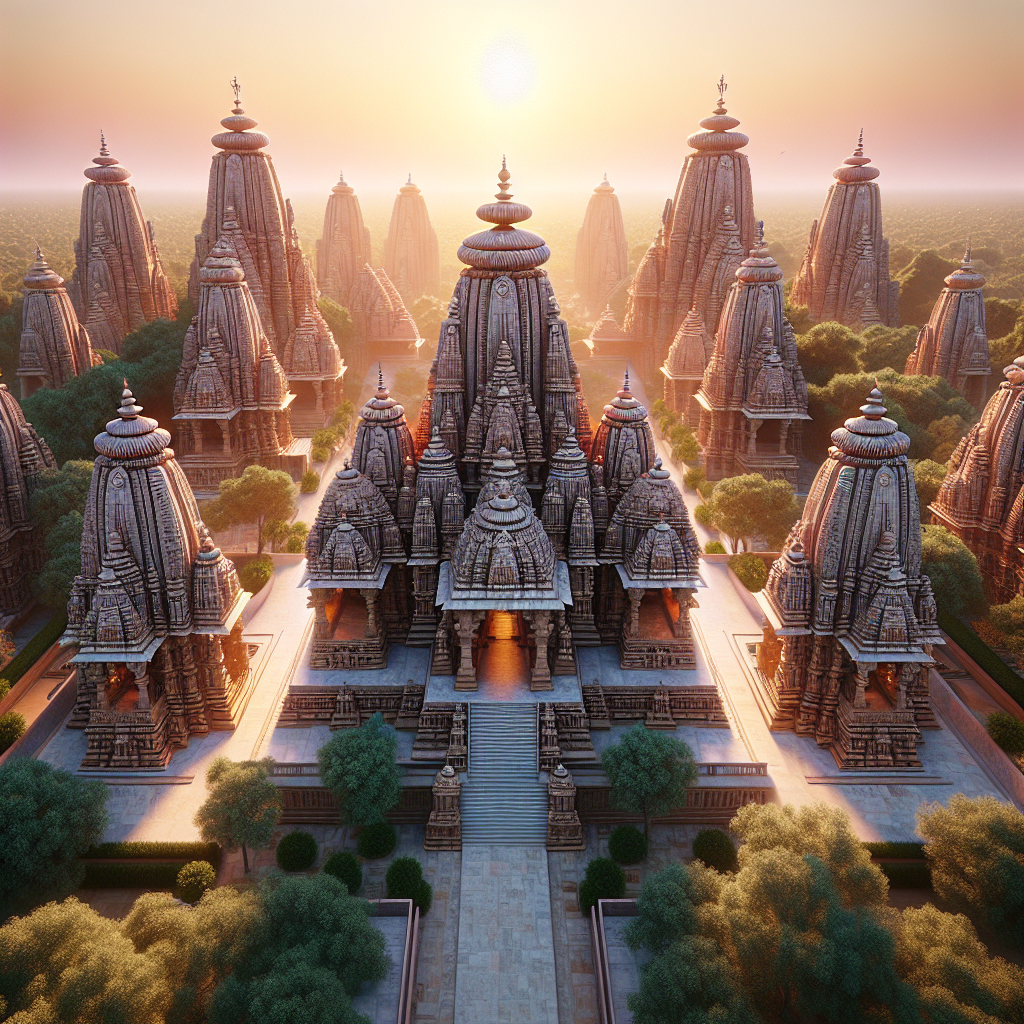

Ahmedabad's Jagannath Temple is like stepping into a world where the past echoes with divine whispers. This Hindu temple in Ahmedabad, Gujarat, India, isn't just an architectural marvel but a tapestry woven with cultural and religious threads. Built in the mid-19th century by a leading devotee, Sadhu Atmaramji, this sacred space invites thousands of devotees and tourists every year. Venturing into its sprawling campus offers insight into its significance steeped in spirituality and history.
The temple stands tall on the Jamalpur Road and is not just a place of worship. It’s a bustling hub of history that narrates tales of faith and tradition. The main deities worshipped here are Lord Jagannath, Balabhadra, and Subhadra. This trio is the heartbeat of the Jagannath tradition and their idols are particularly fascinating. Unlike the typical stone idols found in many Indian temples, the ones here are ornately crafted from wood, which adds a unique charm.
Every year, the temple becomes a focal point of vibrant celebrations during the Rath Yatra. This event, much like the one in Puri, involves a grand chariot festival that engulfs the city in color and spirit. Amidst lively chants and reverent prayers, devotees pull the massive chariots through the streets. The energy is infectious, as communities unite to celebrate a festival that transcends religious boundaries and exemplifies faith in motion.
What truly intrigues visitors and locals alike is the temple's ability to maintain a harmonious balance between the old and the new. Walking through its corridors feels like a passage through time, where the smell of incense sticks mingles with the whispers of the wind, carrying stories of the past. It's easy to get swept away by the visuals: intricate carvings, the animated hustle of devotees, and the solemn rituals that unfold with rhythmic precision.
The temple is also a living testament to the city's unique urban fabric. As Ahmedabad blooms with modernity and technological growth, the Jagannath Temple stands as a reminder of history's enduring legacy. It offers a sense of grounding in a fast-paced world, a spiritual refuge amidst the noise of progress. For anyone seeking a pause from the relentless rush of modern life, this temple is a peaceful sanctuary.
The political landscape surrounding spaces like Jagannath Temple can sometimes be a topic of spirited discussions. As a politically liberal writer, the juxtaposition between an ancient spiritual site and the dynamics of modern governance is not lost on me. Temples often find themselves at the intersection of cultural legacy and contemporary political ideologies. While some may argue that modernization should leave behind old customs, others believe that places like Jagannath Temple should be protected as cultural treasures. This debate is a testament to the dynamic and evolving narrative of India's heritage.
Understanding both sides of this argument is essential. For some, the preservation of traditions is crucial for maintaining cultural identity. These sites are repositories of collective memory and continuing them year after year acts as a bridge in our shared history. Alternatively, there are those who advocate for a more progressive approach, suggesting that temples, as part of the cultural landscape, must adapt and evolve with the times. This dialogue is a healthy reminder of how the past and present are in constant conversation.
Why visit the Jagannath Temple? Beyond its religious significance, it's a journey through the symbiosis of history and community. Walking through brings an appreciation of the intricate rituals and the enthusiasm of its people. It's a living canvas of stories and beliefs, manifesting the rich tapestry that is India.
For Gen Z, who often seeks experiences that are authentic and eye-opening, the Jagannath Temple offers just that. It's more than a sightseeing spot; it’s an educational experience. Witnessing the balance between tradition and modernity can invoke a deeper reflection on how we engage with our past and chart our future.
The city around it, too, provides a multifaceted backdrop where old soul meets modern vibrance. Exploring nearby bazaars or enjoying local cuisines amplifies the experience, providing a taste of Ahmedabad's diverse heritage.
In a world where endless data streams and obligations consume our daily lives, places like the Jagannath Temple invite us to slow down, reflect and take a moment to engage with something timeless. The temple reminds us of the inherent value of tradition, and the importance of community and faith in finding purpose and connection in our world today.
An invitation to experience this temple is more than a call to observe; it is an opportunity to connect with diverse narratives. It’s a call to see how tradition holds its ground and integrates with modern sensibilities. Amidst the uncertainty of today’s world, the temple stands as a beacon of continuity and reflection, a beacon that invites us to explore and understand our collective human journey.