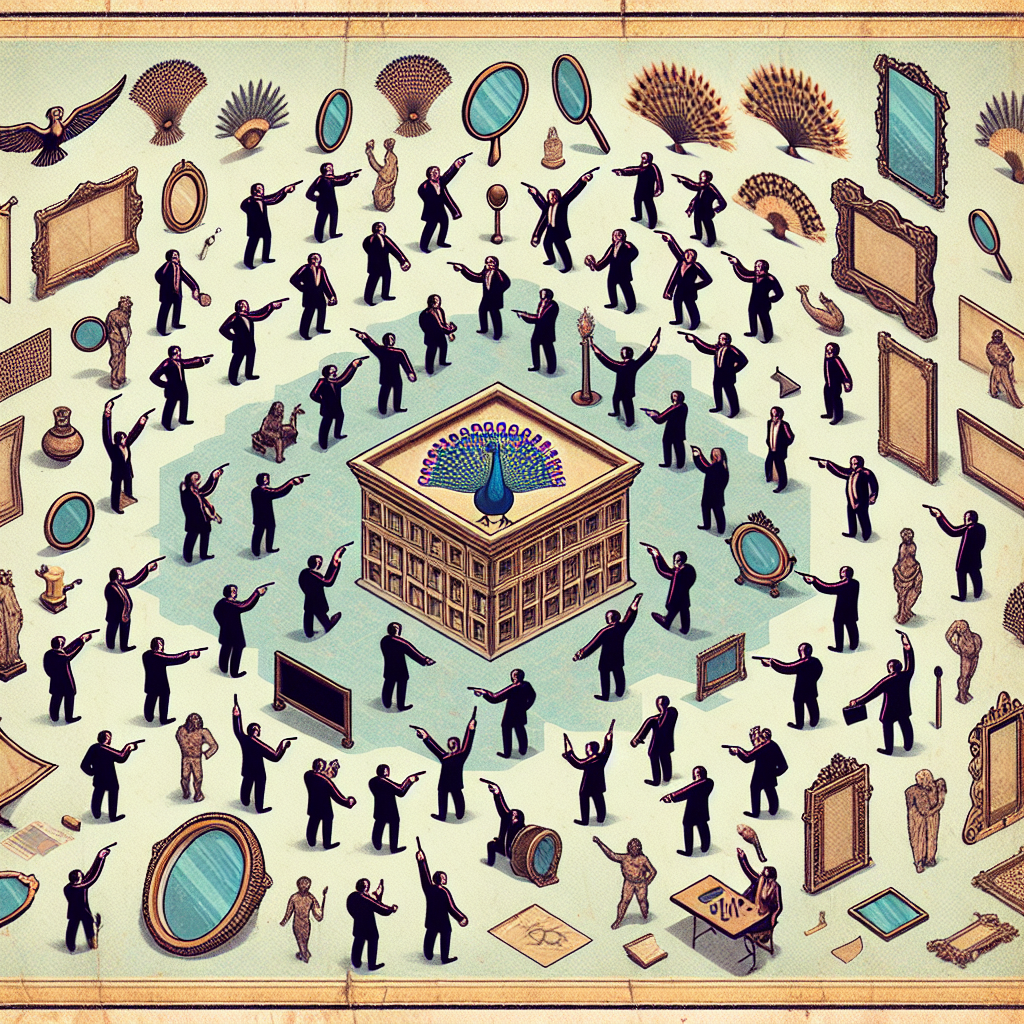

The spotlight never fails to captivate, does it? Here's where we stumble upon the theme of 'It's Me (Pick Me),' that intricate dance of always trying to stand out and draw attention in a world overflowing with competition. From high school cafeterias to social media platforms, individuals often find themselves embroiled in a quest to be the center of attention. This urge manifests in behaviors colloquially known as 'pick me' actions, where individuals seek validation from specific groups by adopting behaviors meant to make them seem more interesting, different, or agreeable. These behaviors span across diverse cultures, revealing a common yearning shared by many to feel acknowledged and appreciated.
In pop culture, the term 'pick me' girl has evolved, thanks to the internet's power to make anything trend. It's often used to describe someone, typically a girl or woman, who distances from others to appeal to the opposite gender, asserting that she is not like other girls. Think of it as a survival move in the dating Olympics, albeit with less gold-medal winning sincerity and more awkward small talk.
Rather than dismiss them out of hand, it's crucial to understand, debatably, where these behaviors originate. Our society frequently rewards those standing in the spotlight, leaving others to either follow along or find unique avenues to gain the recognition given to avatars of confidence and uniqueness. A subtle encouragement of 'pick me' behavior arises from platforms that elevate certain characteristics as standards of worthiness. In this digital age, a viral impression or meme can redefine norms almost overnight; hence young people might feel pressured to fit into these molds to gain approval or popularity.
Many argue, especially from a liberal standpoint, that everyone should have the freedom to express themselves without being judged or ridiculed. Freedom of expression should allow individuals to identify as whoever they want; however, the peacemaking liberal in us understands that behaviors harming one's self-esteem or others' perceptions aren't ideal. So, the conversation goes deeper: is it confidence or conformity, self-empowerment, or just the inverse, self-reduction?
Nevertheless, not everyone agrees on the perceived or actual harm of 'pick me' antics. Some consider it harmless and simply a phase the internet has blown out of proportion. This counterview suggests that nature has long inclined humans to compete for attention. They argue it becomes problematic only when it turns overly performative or when individuals abandon their authentic selves for an identity that gains approval. Here, Gen Z finds itself on a battleground of authenticity versus portrayal, trying to navigate a world that demands both in equal measure.
Social media often amplifies 'pick me' obstacles. Platforms become stages, and content becomes performances edited meticulously to appeal to each one's tribe. Behind this digital masquerade are individuals who may feel stuck in loops of validation. This loop isn't solely about gaining favor; it often carries the burden of maintaining constant perception and relevance. Ironically, those moments meant to make one feel unique might only cement societal molds even more, reducing individuality to controlled roles.
Yet amidst opposing viewpoints, Gen Z is uniquely poised to challenge and reshape this narrative. Generation Z's thirst for authenticity and change creates a dual-edged blade against traditional norms. Gen Z is less inclined to play passively by rules perceived as outdated, equipped with a keen sense of digital literacy and a voice that is at once powerful and nuanced. Their willingness to question impersonal trends may well carve out a path for individual expression that merges current fleeting qualities with true personal identities.
Interestingly, some 'pick me' behaviors blur into self-empowerment territory. Advocates, especially amongst Gen Z, focus on transforming the discourse into one of empowerment instead of passive critique. This transformation might find inspiration in supporting individuality anchored by substance rather than by scarcity or comparison. Encouraging spaces where individuals are appreciated with mutual respect fosters growth, reducing reliance on external validation.
The community has a role in reshaping the narrative. Pushing for conversations that cherish differences ensures no singular path or definition of validation gets enforced excessively upon others. Recognizing that everyone desires appreciation, yet understanding that it should not be derived from conforming to stereotyped identities, strengthens mutual respect among social groups. This solidarity transcends mere individual battles, allowing improvement on community and societal levels.
Lastly, it is vital to note that tracing the line between wanting to be heard and wanting unrelenting approval remains a subjective endeavor requiring empathy and understanding. Perhaps, the world's richness comes from embracing our quirks and differences rather than homogenizing ourselves to limited frameworks.
The lasting question is more often about genuine connection rather than mere selection. By cherishing authentic and diverse expressions in familiar surroundings, everyone might be chosen for the beautiful humans they inherently are, free from predefined molds or forced impressions. Let's keep the optimism and challenge stereotypes, for it leads to a world where there's enough spotlight for everyone, without having to shout 'pick me' before all else.